From September 2025 to March 2026, the project “Towards a Local Democracy Agency (LDA) Belarus in Exile” advanced a structured, multi-sited consultation process across Wrocław, Vilnius, and Kraków, culminating in Warsaw at the Strategic Foresight Conference for Belarus on 27–28 March. Co-organised within the framework of the Beehive Consortium, the conference marked a key moment in rethinking Belarus’s democratic trajectory in a context of prolonged political crisis, regional insecurity, and sustained civic displacement.
The two-day conference led by the Belarus Beehive 2.0 programme (funded by the European Commission) in cooperation with ALDA (supported by the German Marshall Fund), provided a high-level platform for Belarusian and international experts, policymakers, and civil society leaders to explore long-term scenarios for democratic transformation.
Exile as a structural reality, not a temporary condition
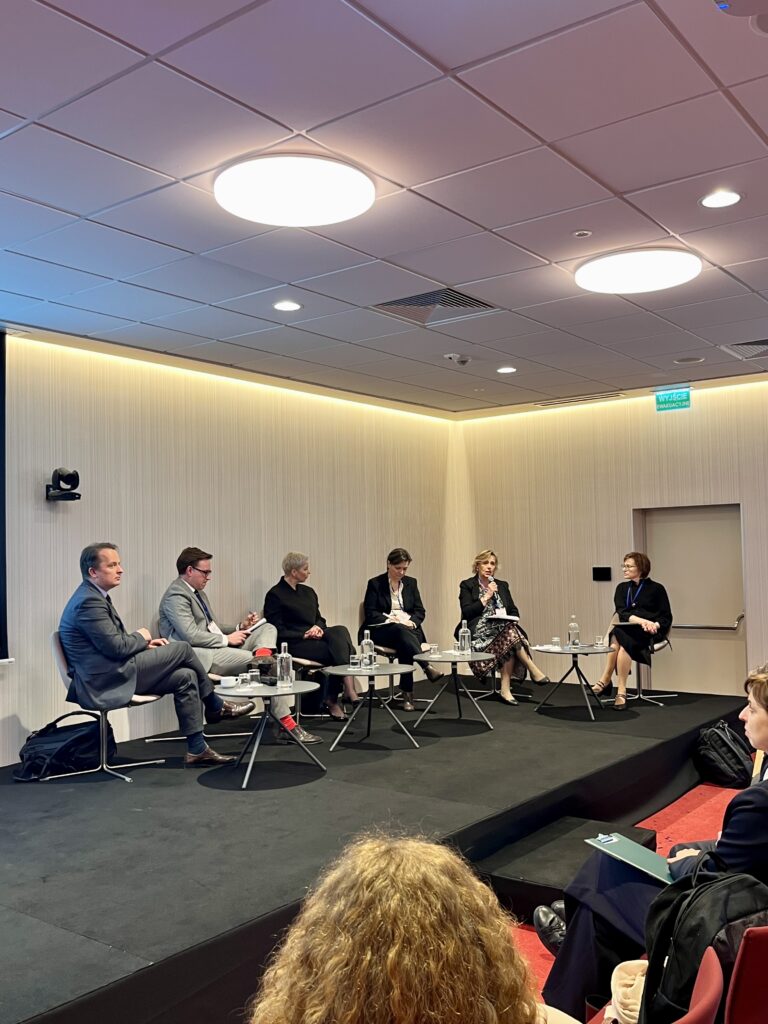
In the policy dialogue panel “Belarus in Transition: Civic Resilience, Integration, and Local Democracy – Challenges & Perspectives”, the Secretary General of ALDA stressed a fundamental shift in approach:
“Belarusian exile can no longer be treated as a temporary emergency, but as a structural reality requiring long-term democratic investment!”
Building on field consultations with Belarusian communities in Poland and Lithuania, the intervention underscored a clear message emerging from the project: the transition from emergency support to sustainable democratic infrastructure is now imperative.
European institutions already provide significant instruments to support civil society, including funding schemes and mobility mechanisms, however, the discussion highlighted a persistent gap – the local translation of these tools into accessible, participatory mechanisms at municipal level.
In this context, ALDA’s Local Democracy Agency model was presented as a practical bridge between institutions, municipalities, and civic actors. By connecting diaspora and exiled Belarusian communities with local authorities and transforming funding into participatory governance processes, LDAs aim to move beyond assistance frameworks towards active democratic co-production.
Working group: local governance in practice
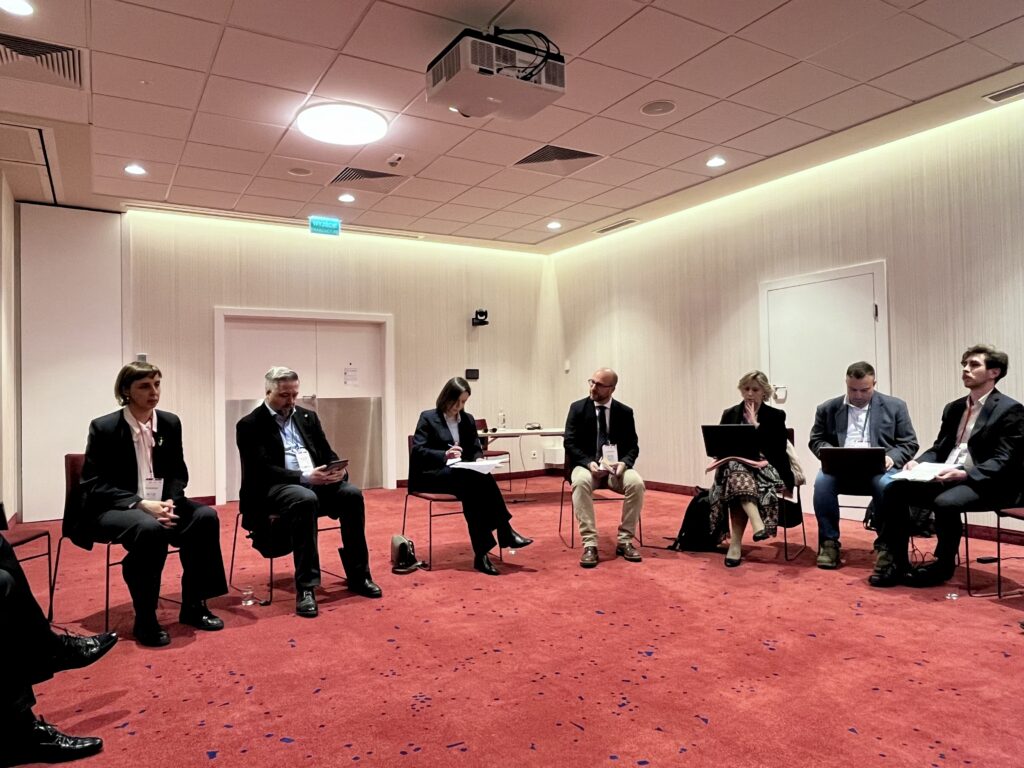
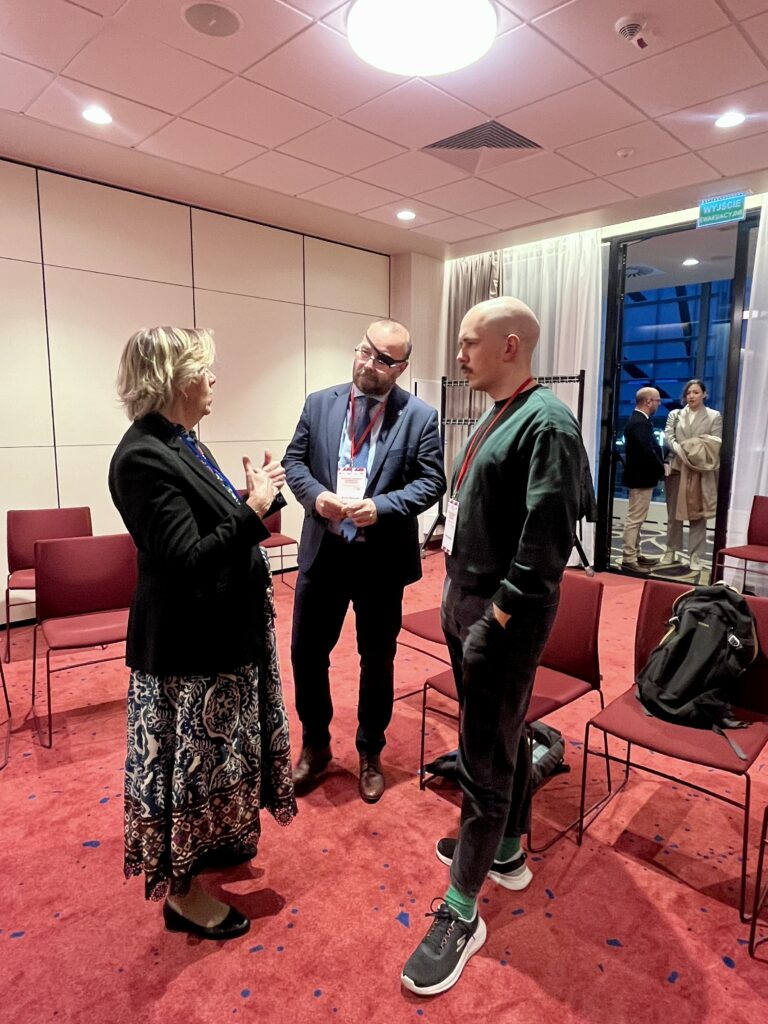
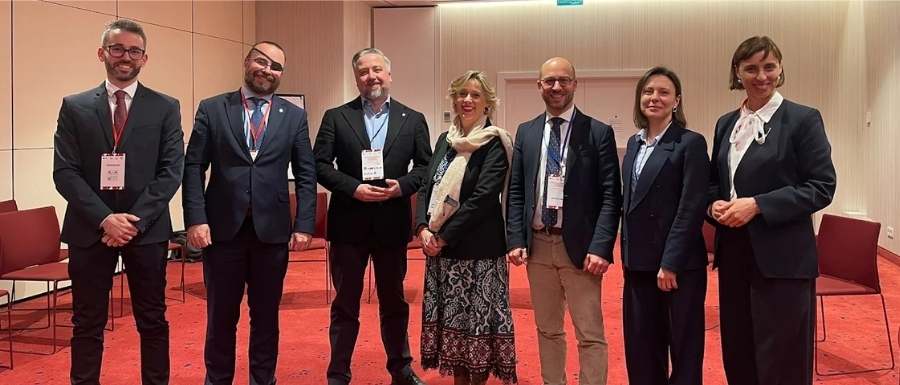
The conference also included a dedicated working group addressing practical dimensions of participation and governance. In Working Group 1 on Sub-national Governance & Exile Engagement organised by ALDA, Belarusian participants engaged directly with municipal representatives from Gdańsk, Wrocław, and Kraków, as well as with the Congress of Local and Regional Authorities of the Council of Europe.
Polish local authorities expressed readiness to further develop engagement mechanisms with Belarusian communities, particularly in areas of civic participation and local integration frameworks. The exchange reinforced the importance of municipal-level cooperation as a cornerstone of effective inclusion policies.
Integration, participation, and the limits of current systems
Findings from six months of consultations with Belarusian communities under the “Towards a Local Democracy Agency (LDA) Belarus in Exile” project revealed a persistent structural gap between a strong willingness to integrate and institutional readiness to include.
Three key barriers were identified:
- administrative instability limiting long-term access to housing, banking, and planning;
- underutilisation of skills due to unresolved diploma recognition issues;
- information gaps regarding access to local participation mechanisms.
Beyond these structural issues, the consultations also highlighted growing risks of social isolation, emotional fatigue, and fragmented support structures within exile communities.
Drawing on ALDA’s experience coordinating a network of 19 Local Democracy Agencies, the only conclusion we can draw is that integration without participation is not sustainable.
Two priority pathways were identified to address this gap. First, the need for co-creation mechanisms between municipalities and Belarusian civil society actors in designing integration policies. Second, the establishment of structured civic spaces capable of enabling sustained participation in local governance processes.
The proposed Local Democracy Agency Belarus in Exile was presented during the Warsaw event as such a platform, serving simultaneously as a coordination mechanism, a capacity-building instrument, and a bridge towards future democratic governance in Belarus. As emphasised in the discussion, Belarusian communities in exile represent not only a group requiring support, but a strategic civic resource. Investing in their capacities is an investment in both the future democratic Belarus and the broader resilience of European democratic systems.
Building on the findings of the project “Towards a Local Democracy Agency Belarus in Exile”, which served as a preparatory phase for the establishment of the LDA Belarus in Exile initiative, ALDA will continue to work closely with interested Belarusian, Polish, and other international partners to advance the initiative and strengthen democratic practice for Belarusians at the local level.
The proposed Local Democracy Agency Belarus in Exile seeks to respond to this need by transforming fragmented initiatives into coordinated action, and by reframing exile from a condition of isolation into a space of preparation for democratic renewal.
In this sense, the Warsaw Strategic Foresight Conference for Belarus marked not only a moment of reflection, but also a step towards the gradual institutionalisation of a new model of engagement – one in which local democracy is both a lived practice in the present and a strategic horizon for a future democratic Belarus.