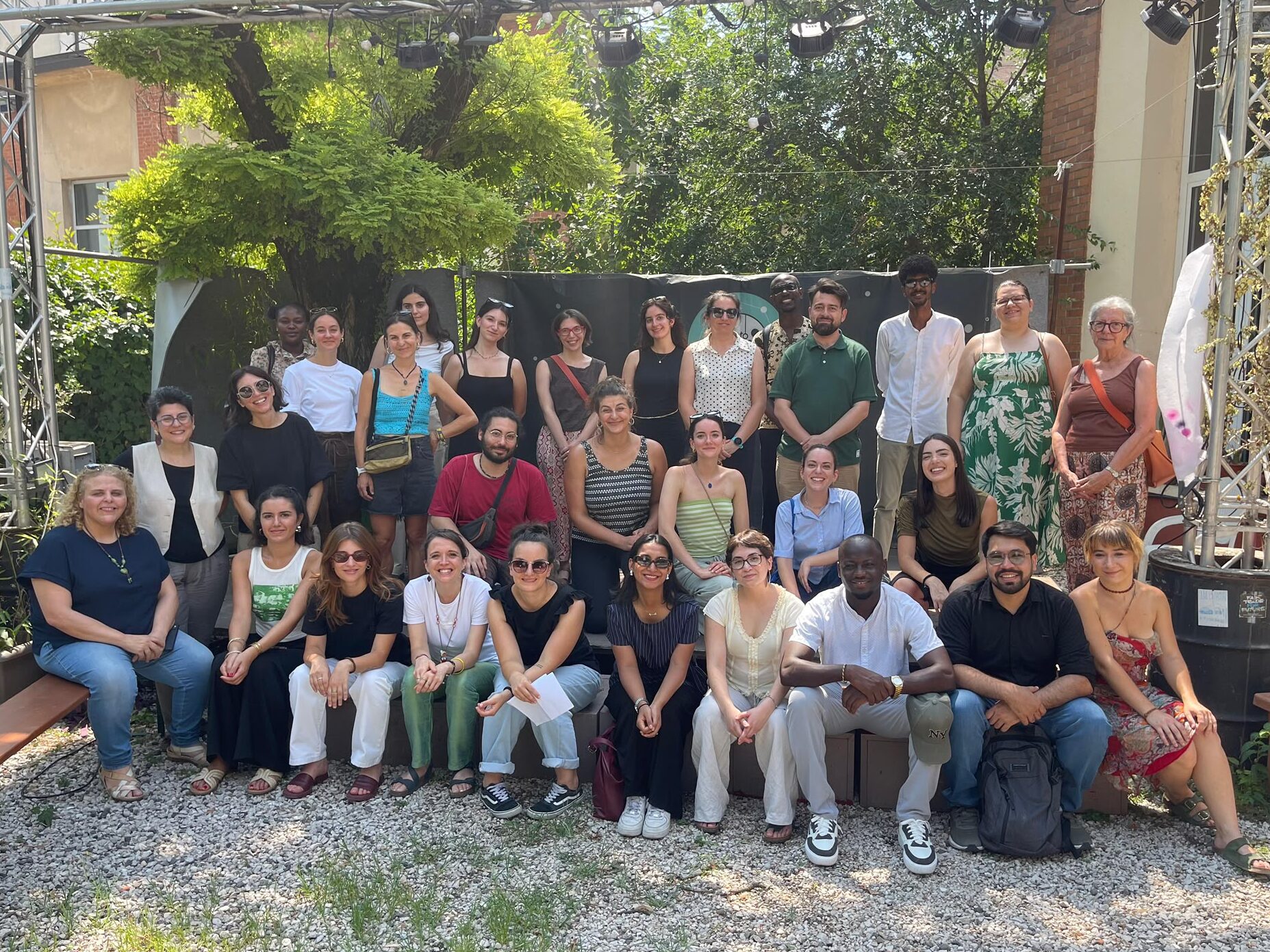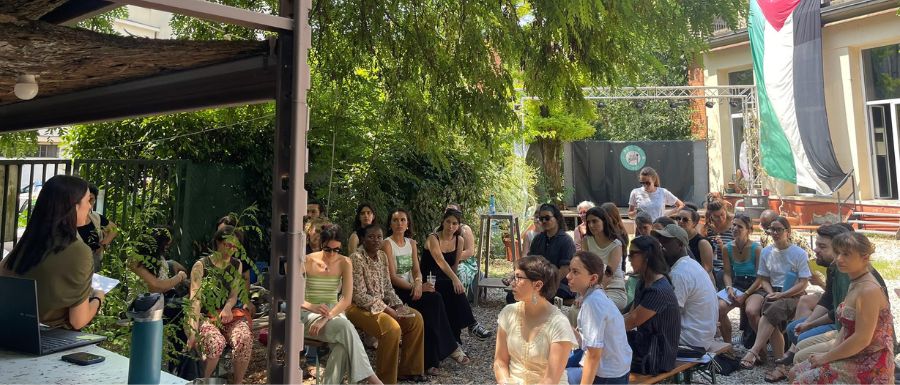
The Citizenship Academy Project officially kicked off through an international seminar in Vicenza on June 30, 2026, gathering over 51 participants from 10 European countries. The event, led by ALDA and Jovesólides under the CERV-funded “CIV” program, set a clear mission: bridge the critical gap between the demographic reality of European cities and the actual political participation of people with migrant backgrounds.
A Proven Model Ready for Scaling
This kick-off event wasn’t just a meeting; it was the strategic start of scaling a powerhouse methodology for democratic inclusion. Jovesólides, the project’s lead partner, brings an evidence-based approach honed over 6 local editions of their Citizenship School in Valencia. The quantitative impact of their work is a benchmark for the project:
- 260 participants trained from 43 different nationalities.
- 65% of participants were women, addressing the specific “female participation factor” in migration contexts.
- Transformation of Agency: Post-program civic engagement skyrocketed to 76% of graduates, compared to just 22% before joining the academy.
Vicenza: A Laboratory of Demographic Change
The choice of Vicenza as the seminar’s host city was data-driven. As of 2025, foreign residents represent 15.9% of the city’s population (17,619 individuals), with major communities including Romania (2,726), Serbia (1,582), and Nigeria (1,116). Most significantly, the city is witnessing a “citizenship surge”: acquisitions have grown by 138% in seven years, rising from 402 in 2018 to 959 in 2025.
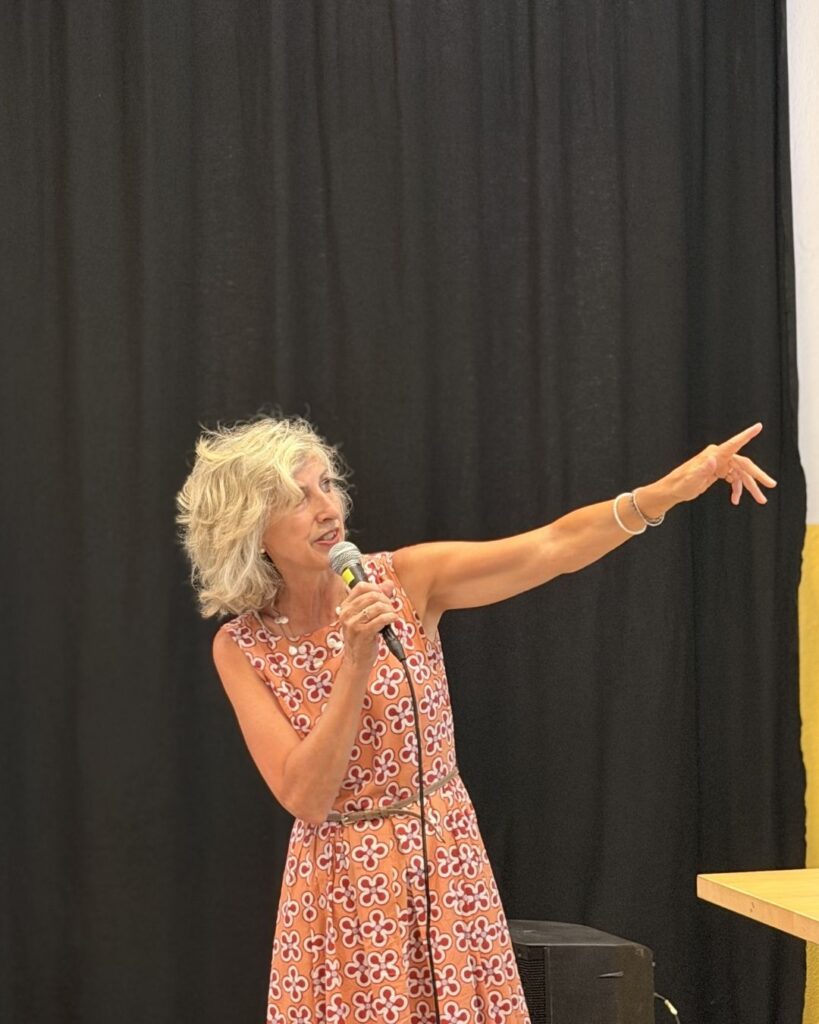
To meet this transformation, Deputy Mayor Isabella Sala presented a concrete institutional response: the Council for Foreigners, Migrants and Stateless Persons. Established in late 2025, this advisory body includes 18 local associations—ranging from the Bangladesh Community to the Union of Serbs in Italy—giving new citizens a direct seat at the municipal table and a voice in city statutes.
Beyond Motivation: Participation as a “Design Challenge”
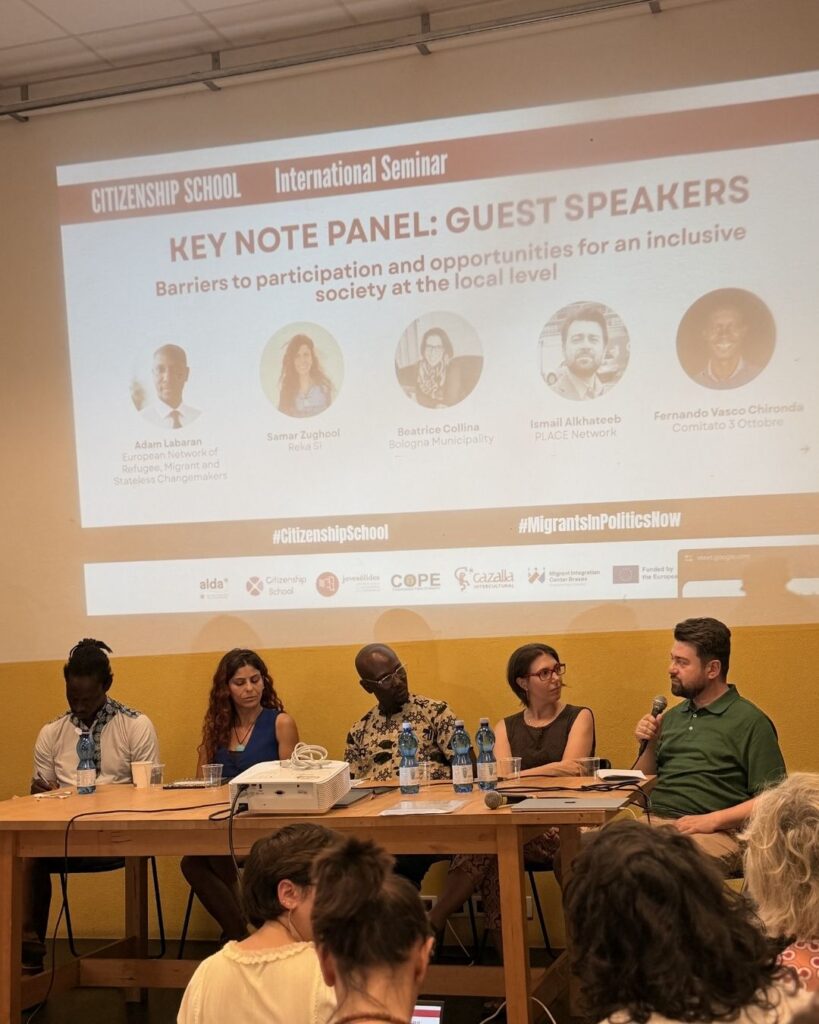
The seminar shifted the narrative on low civic engagement. Experts during the keynote panel argued that low participation is rarely about a lack of motivation, but rather a “design flaw” of institutions. Ismail Alkhateeb (PLACE Network, France) emphasized that public institutions were traditionally built for individuals with stable socio-economic conditions. When “showing up” carries a high cost, participation becomes a filter rather than a door.
Fernando Chironda (Comitato 3 Ottobre) pushed this further by introducing the concept of belonging. He noted that many migrant individuals encounter “invisible rules” in institutional spaces that make them question: “Is this space really for me?”. True inclusion, therefore, requires removing the structural barriers of daily survival:
The seminar also showcased some examples of successful practices:
- Co-Managed Services (Bologna, Italy): Beatrice Collina shared the success of Bologna’s co-managed Anti-discrimination Help Centre and the Intercultural Forum, where residents are not just users but co-shapers of city services.
- Intersectional Arts (Slovenia): Samar Zughool (Reka Si) presented the “Womxn to Womxn” initiative, which uses diasporic community arts led by refugee women to challenge integration barriers and mainstream gender into local policies.
- Outcome-Oriented Co-design (France): A call to fund processes where resident ideas reach actual implementation in city services, treating migrants as actors who shape public life.
The Roadmap: A 4-Pillar Blueprint
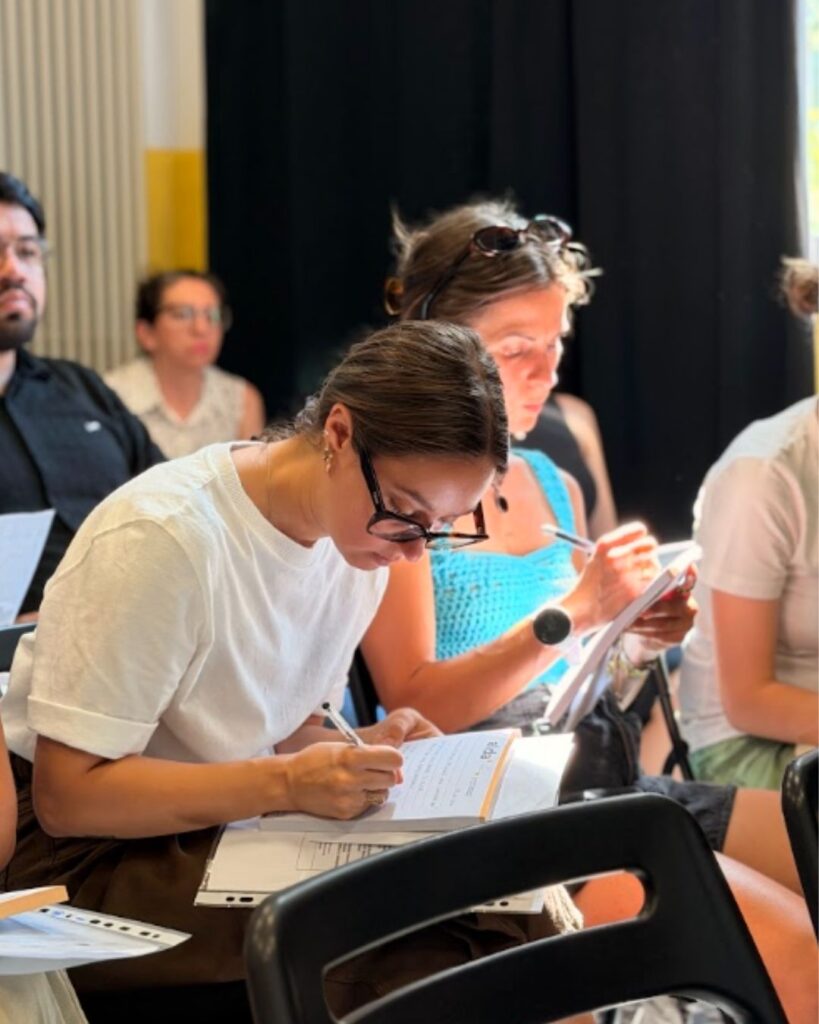
The Citizenship Academy seminar concluded with a World Café workshop to finalize the training blueprint for the upcoming project phases. Partners defined four strategic thematic pillars:
- Self-Managed Community Spaces: Training groups to advocate for their own political participation independently.
- Practical Civic Agenda-Setting: Turning residents from “passive participants” into active influencers of local government policies.
- Safe Participation: Creating rights-based pathways that remove the fear of institutional interaction for vulnerable individuals.
- Funding Resilience: Building coalitions between associations to share resources across national borders.
As the Citizenship Academy moves into its operational phase, the insights from this International Seminar will serve as a laboratory for a training programme where inclusion is not just a principle, but an active practice of shared governance.