In a coordinated effort between April and May 2026, the PACT project consortium translated the core pillars of the PACT Toolkit—Participation, Narratives, Social Cohesion, and Collaboration—into a series of high-impact local workshops and conferences namely Laboratories for Inclusive Democracy.
Local Workshops: Laboratories for Inclusive Democracy
Italy (Brescia)
On April 26, ADL a Zavidovici organised a workshop at a local mosque in Brescia, identifying it as a safe and meaningful space for the Muslim community. Focusing on the reconstruction of discriminatory narratives, this workshop involved 35 participants in a safe space (a local mosque) to ensure authentic representation. Under technical guidance, working groups co-designed a 5-episode narrative series focused on the Eid al-Adha feast, aimed at transforming identity-building into a tool for civic access.
Spain (Barcelona)
On May 18, Fons Català gathered 28 participants from municipalities and civil society to analyse barriers to inclusive participation. This workshop for 28 municipal and CSO representatives served as a dissemination platform for the PACT Toolkit. It utilised the “Arts que Transformen” socio-educational tool to demonstrate how creative expression can resolve local governance conflicts and dismantle “rumors” through certified anti-rumour agents.
Greece (Piraeus)
On May 25, KMOP hosted 26 young people and youth workers in Piraeus. A group of 26 youth workers and young people with migrant backgrounds focused on inclusive communication frameworks. Through the “Inclusive Taboo” methodology, participants critically analysed exclusionary language and co-developed positive, hope-based storytelling techniques to restore institutional trust.
France (Paris)
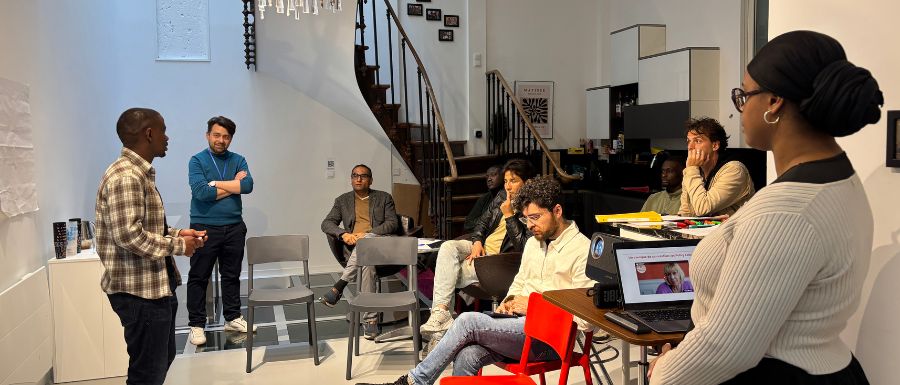
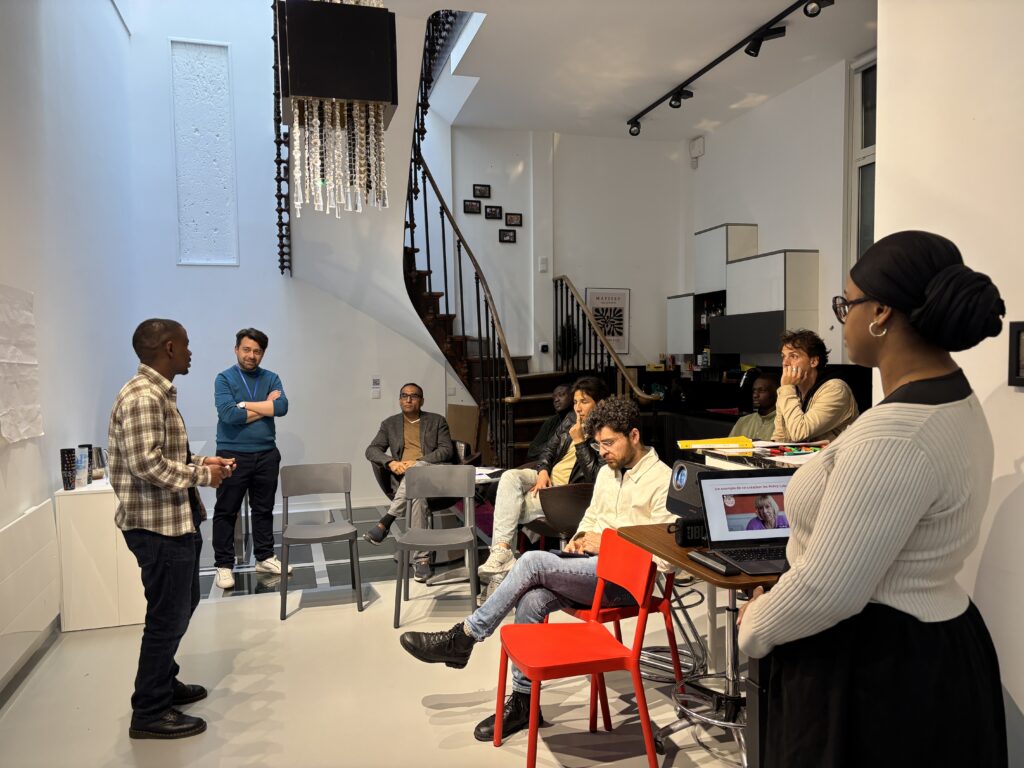
On May 20, PLACE Network organised “Prenons PLACE” at its Paris offices. Utilising the Policy Lab methodology, this workshop engaged 26 participants, primarily with migration backgrounds, to map stakeholder competencies at local and regional levels. The session focused on micro-experimentation as a low-risk innovation space to test policy recommendations before institutional scaling.
North Macedonia (Lipkovo)
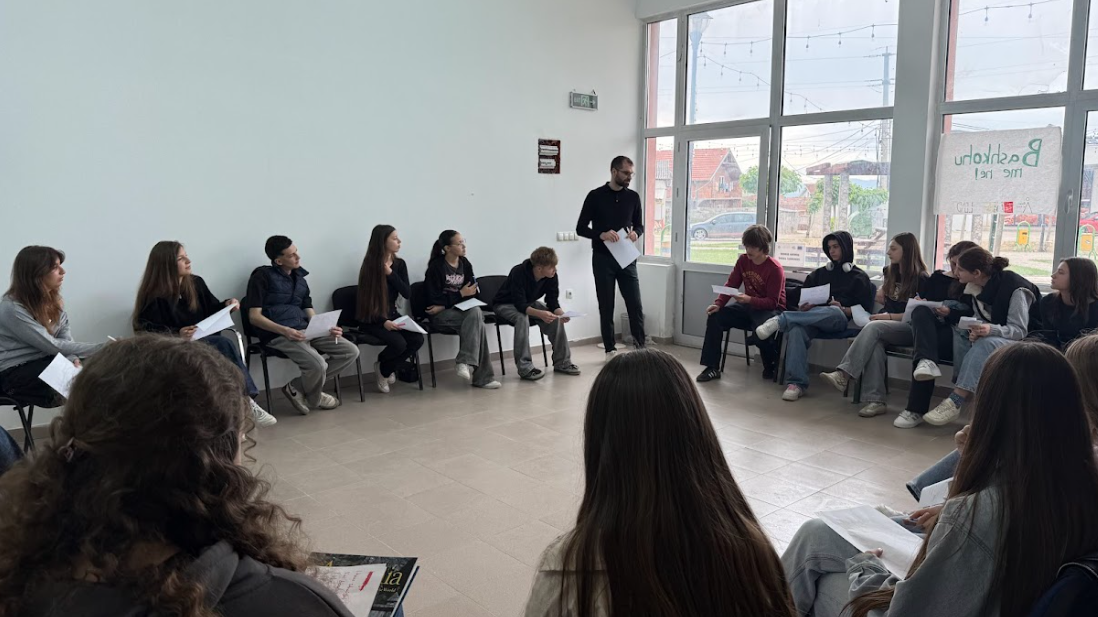
On May 19, the Center for Intercultural Dialogue (CID) brought together young participants for an interactive day focused on human rights. Engaging 26 young participants, this workshop used the “Take a Step Forward” simulation and the “Identity Flower” exercise to physically map structural inequalities. This experiential learning model strengthened the civic capacity of participants to recognize and act upon human rights principles in their daily community life.
Hungary (Budapest)
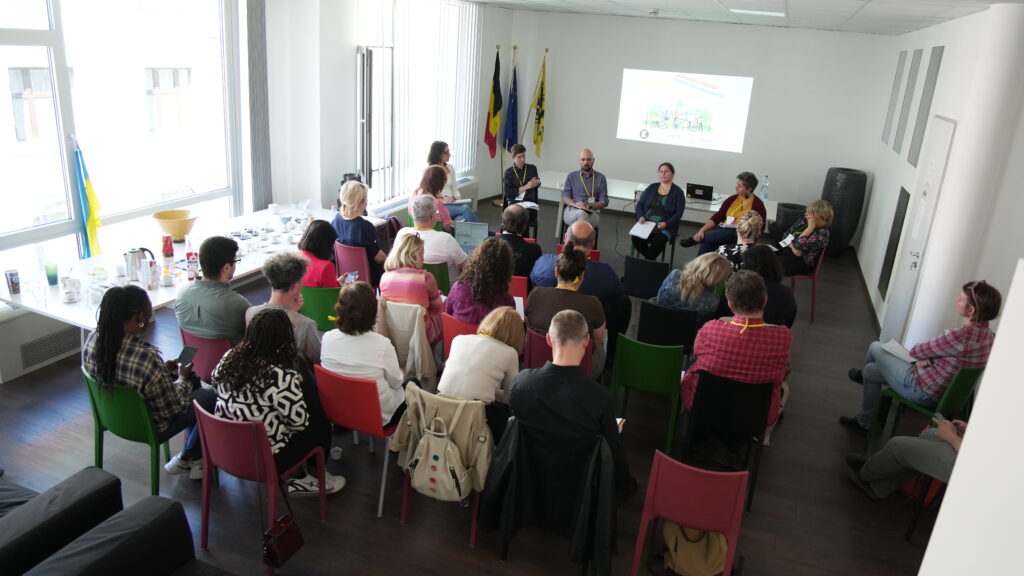
On May 20, the Konkáv Foundation hosted a capacity-building conference at the Flemish Representation in Budapest. Addressing the institutional fragmentation of social inclusion practices, this conference gathered 36 participants (including representatives from Hungary, Afghanistan, and Nigeria). High-level decision-makers, such as the Deputy Mayor of Ferencváros, engaged in a “de-bureaucratization” dialogue aimed at transitioning municipal services toward a user-centric public service model. A key technical outcome was the definition of the “minus-step” approach, which prioritizes soft-skill development and trust-building before formal advocacy
👉Find the PACT Event Description sheet
The data gathered from these events confirms that successful inclusion requires addressing “invisible” barriers—such as power dynamics and unconscious bias—through intersectional and trauma-sensitive designs. The PACT Toolkit remains the primary technical repository for these 9 innovative governance mechanisms, providing a scalable framework for municipalities to institutionalise participation and build social resilience.
Ready to transform your local governance?
👉Download the PACT Toolkit to access these proven methodologies and discover how to build a stronger, more cohesive, and truly democratic Europe.