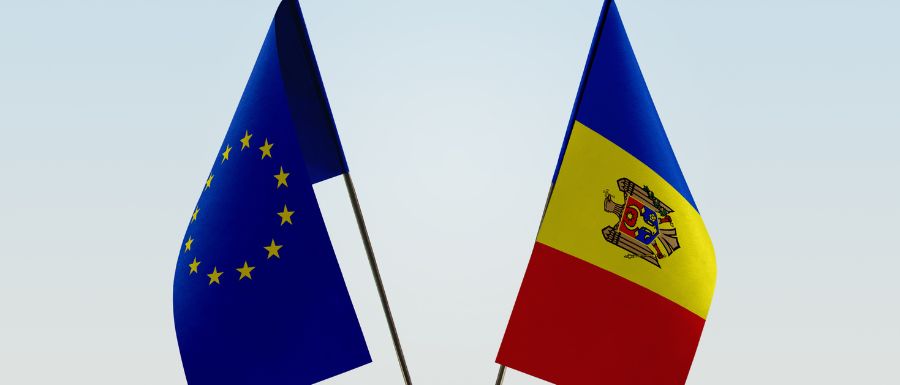
The formal opening of negotiations on the Fundamentals Cluster (Cluster 1) between the European Union and the Republic of Moldova on 15 June 2026 marks a historic milestone in the country’s accession process. At the Intergovernmental Conference held in Luxembourg under the Cyprus Presidency of the Council of the EU, Member States launched negotiations on the first cluster for both Moldova and Ukraine, reaffirming the EU’s commitment to enlargement based on shared democratic values. Days earlier, President of the European Commission Ursula von der Leyen and President of the European Council António Costa described the Fundamentals Cluster as “the backbone of the accession process,” emphasising that it encompasses the core principles upon which the EU is built: the rule of law, strong democratic institutions, respect for fundamental rights and an effective public administration.
The opening of the Fundamentals Cluster, as Moldovan officials stated, establishes the democratic foundations upon which the entire accession process will advance. EU accession remains the country’s foremost strategic priority, enshrined in the Constitution and supported by its citizens. This first negotiation cluster holds particular significance because it is centred on democracy, the rule of law, respect for fundamental rights, an efficient public administration, and sound public finances – values shared with the EU and reforms that Moldovan citizens rightly expect from their public institutions.
While EU accession negotiations are often associated with reforms at the national level, their success ultimately depends on implementation at the local level, where citizens experience democracy and public services firsthand. The objectives of the Fundamentals Cluster, strengthening the rule of law, democratic institutions, public administration, and accountable governance, require coordinated action across all levels of government, supported by active civil society and citizen participation. Guided by the principles of multi-level governance and subsidiarity, Moldova’s European integration process must therefore go beyond legislative alignment to strengthen local institutions, foster participatory decision-making, and build trust between authorities and communities. In this context, local democracy is not simply a complementary aspect of accession but a key condition for ensuring that European values and reforms are effectively translated into citizens’ daily lives.
“The opening of negotiations on the Fundamentals Cluster marks a significant step in Moldova’s European integration journey and confirms the country’s commitment to democracy, the rule of law, and good governance. For more than a decade, ALDA has worked alongside local authorities, civil society organisations, and national institutions across Moldova to strengthen democratic participation and resilient governance. Through initiatives such as INSPIRED Moldova, we support civil society engagement in the EU accession process, foster dialogue between citizens and public authorities, and promote inclusive and participatory decision-making. We remain committed to ensuring that European integration is not only driven by reforms at the national level, but is also rooted in local communities, understood by citizens, and translated into tangible democratic progress across the country.”
— Antonella Valmorbida, Secretary General of ALDA
ALDA will expand its network in Moldova to support public administration reform by strengthening local democracy, participatory governance and the capacity of local authorities and civil society to engage in the EU integration process. Building on its long-standing presence, ALDA remains committed to ensuring that European integration is rooted in communities and translated into practice across Moldova.