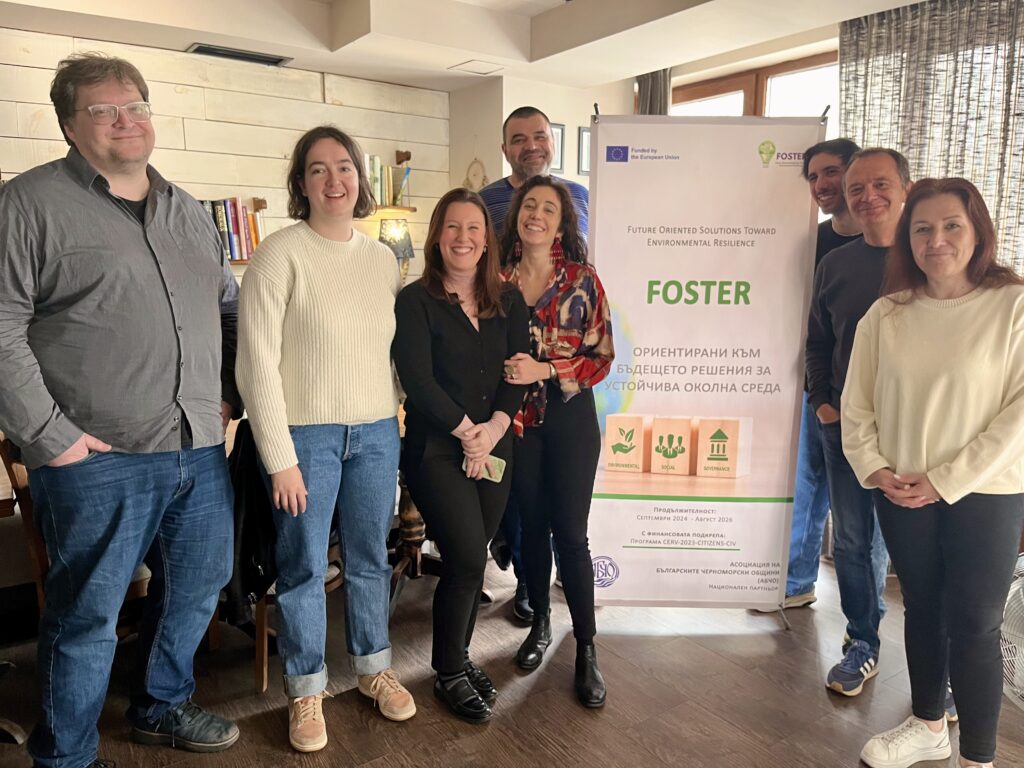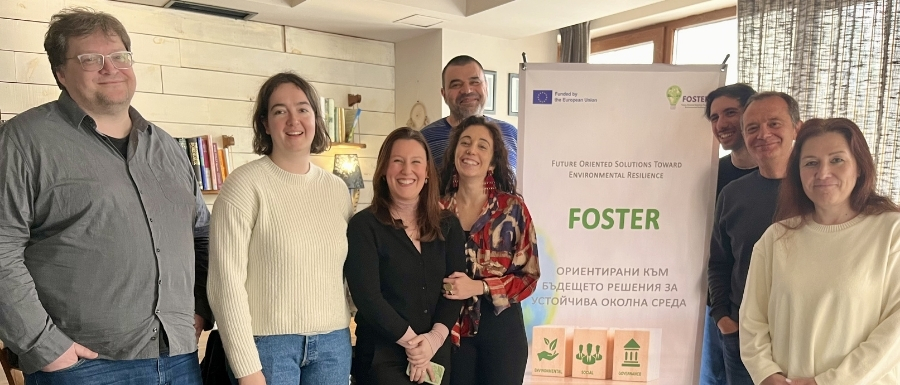
Varna, Bulgaria – 26–27 March 2026. The city of Varna became a dynamic hub of multistakeholder dialogue, hosting an international and action-oriented event within the framework of the FOSTER project. The two-day meeting focused on how to transform urban spaces into greener, more inclusive environments that respond to the needs of all inhabitants.
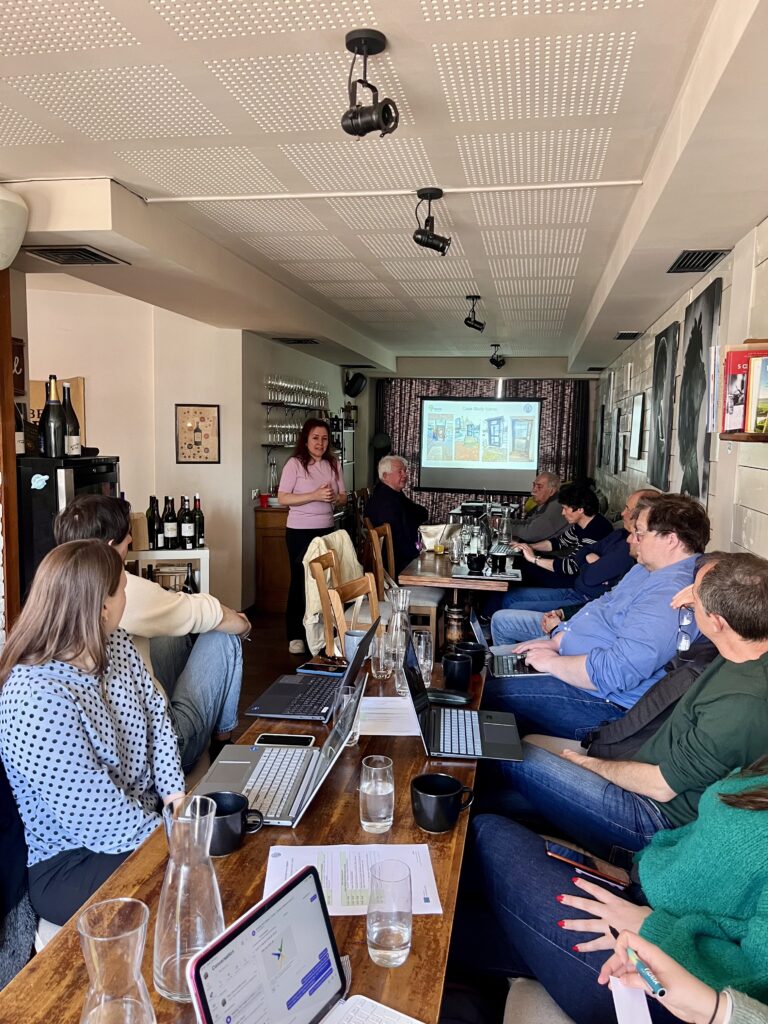
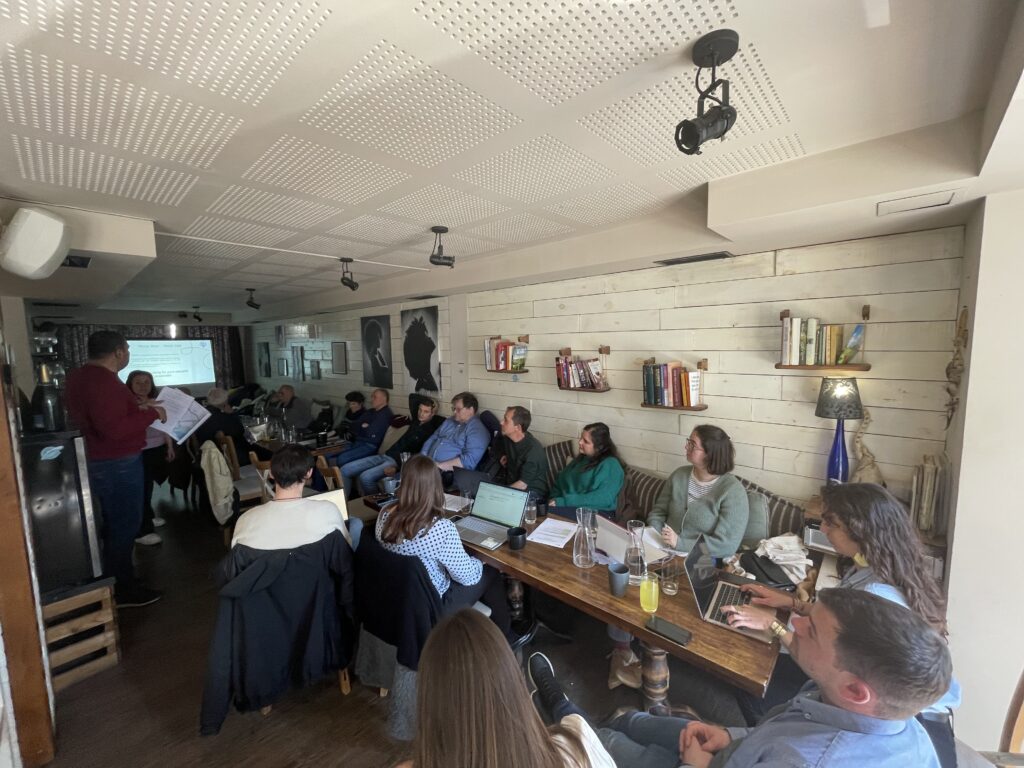
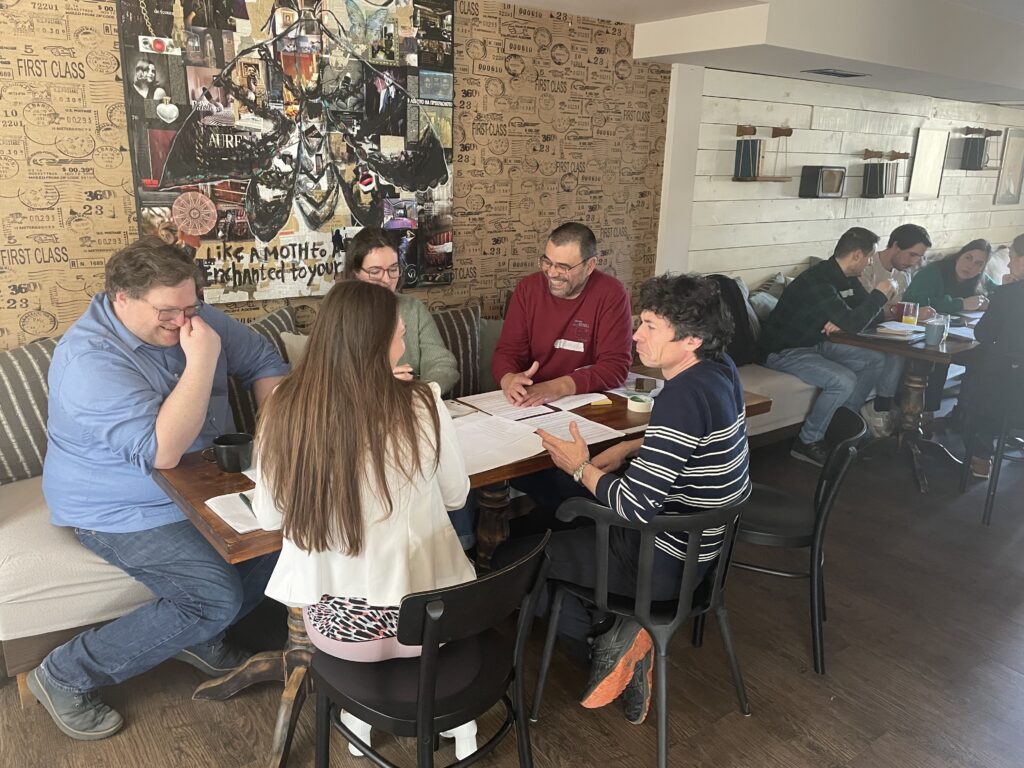
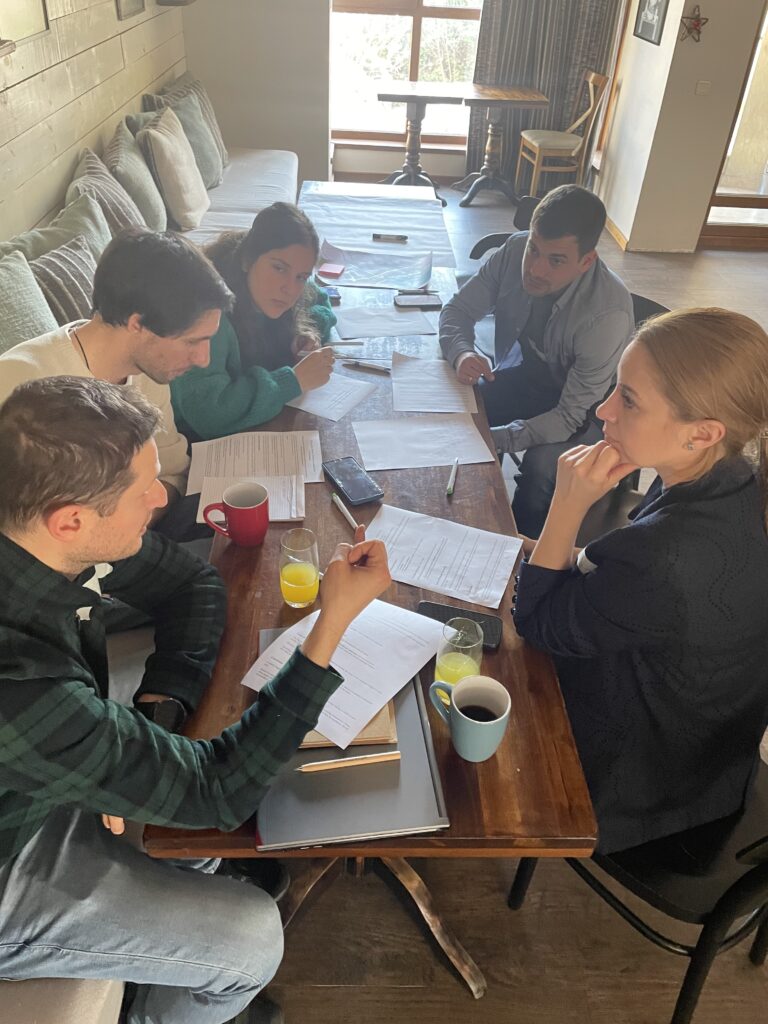
Designed as a participatory and collaborative process, the event aimed to co-create concrete proposals for the transformation of urban areas into vibrant, accessible green spaces. Organised by the hosting partner UBBSLA, the initiative brought together project partners alongside local authorities, civil society representatives, and urban practitioners. Through a simulated multistakeholder roundtable, participants explored the specific urban challenges faced by Varna and jointly identified solutions to enhance the quality of life across its neighbourhoods.
This inclusive approach promoted meaningful dialogue between diverse actors, enabling participants to engage directly with different perspectives. The discussions went beyond problem identification, focusing on the development of practical and actionable recommendations for policies and practices. These contributions will feed into the city’s Green City Action Plan, supporting the long-term objectives outlined in Varna’s Green Urban Transition Plan 2030.
Within the broader framework of the FOSTER project, the Varna Local Path plays a key role in advancing governance approaches that can better anticipate and respond to climate-related challenges at the local level. Since the project’s launch in September 2024, partners have been working to strengthen capacities in strategic foresight while promoting inclusive, multistakeholder co-design processes.
In the case of Varna, this work builds upon a comprehensive needs assessment, which identified key priorities such as improving overall quality of life, expanding green infrastructure, and ensuring accessibility for all citizens.
At the same time, several structural challenges were highlighted, including high urban density, underutilised public spaces, and limited availability of green areas.
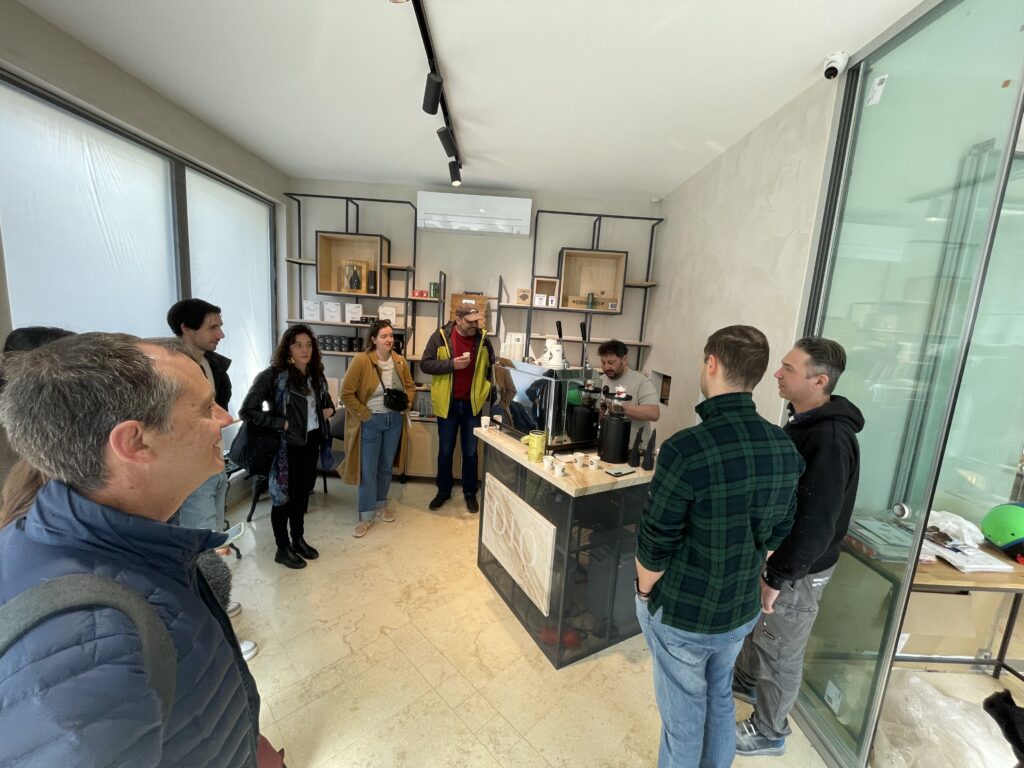
A particularly impactful moment of the event was the guided study visit across the city. This field-based activity allowed participants to experience firsthand the architectural and infrastructural barriers that limit mobility. These challenges affect not only persons with disabilities, but also elderly citizens, parents with strollers, and individuals facing temporary mobility constraints. By grounding discussions in real-life conditions, the visit underscored the importance of accessibility as a central component of urban sustainability.
Building on these observations, participants collaboratively developed proposals for immediate actions, practical interventions, and long-term policy measures aimed at improving accessibility and inclusiveness in Varna’s urban green spaces. The process highlighted how inclusive urban planning is essential to ensuring that environmental transitions benefit all members of society.
The event concluded with a dedicated session among project partners, focusing on the final phase of the FOSTER project. Following a plenary exchange on the outcomes of the Local Paths, participants engaged in a peer-learning session to share feedback, insights, and lessons learned across different contexts.
Looking ahead, partners initiated discussions on upcoming project milestones, including the online dissemination event scheduled for 9 June 2026 and the final conference, which will take place in Vienna on 17 September 2026. Both events will be organised by Foster Europe, with further details to be shared in the coming weeks.
By fostering collaboration, strategic foresight, and inclusive dialogue, the FOSTER project continues to support cities like Varna in shaping greener, more resilient, and accessible urban futures.