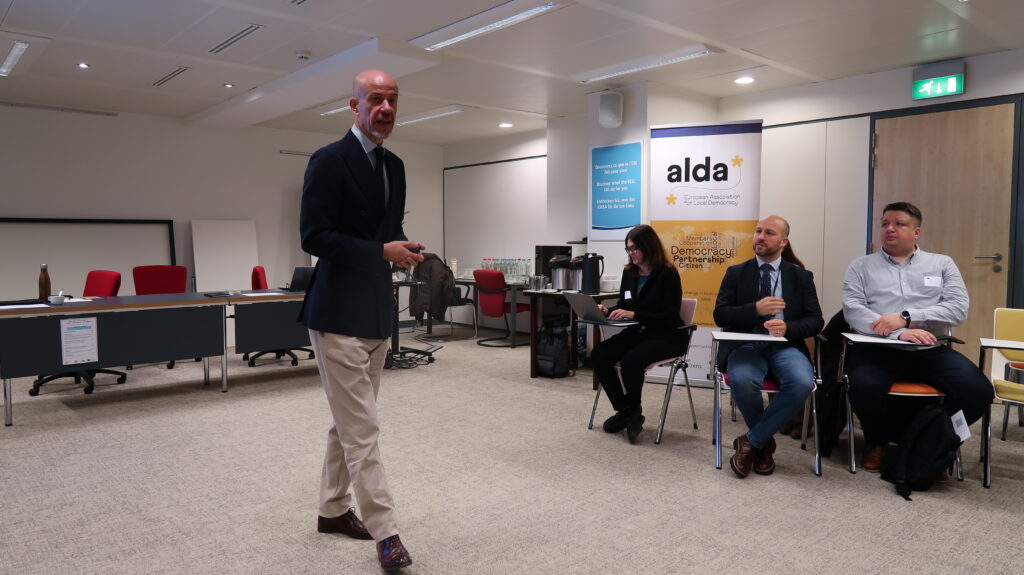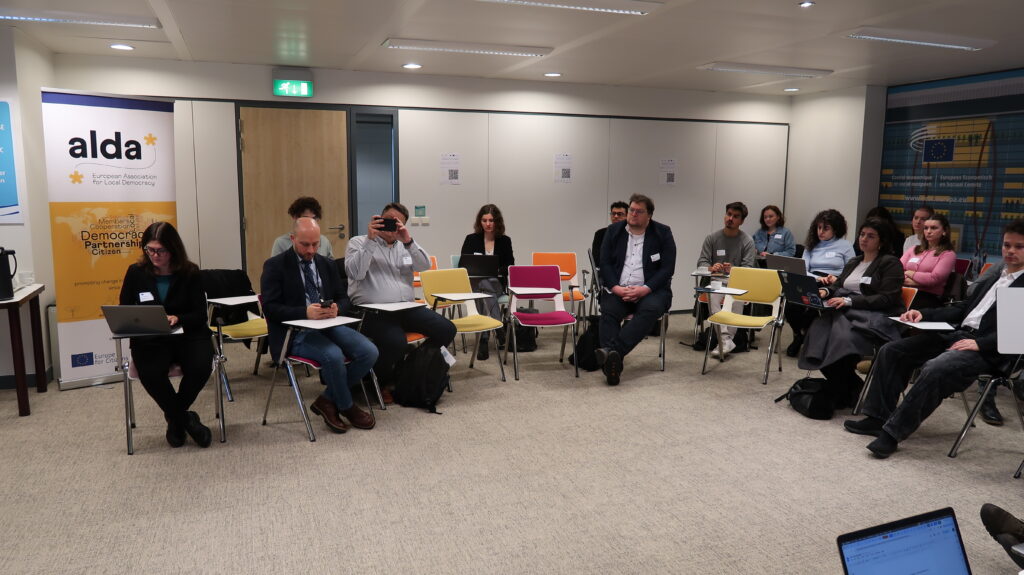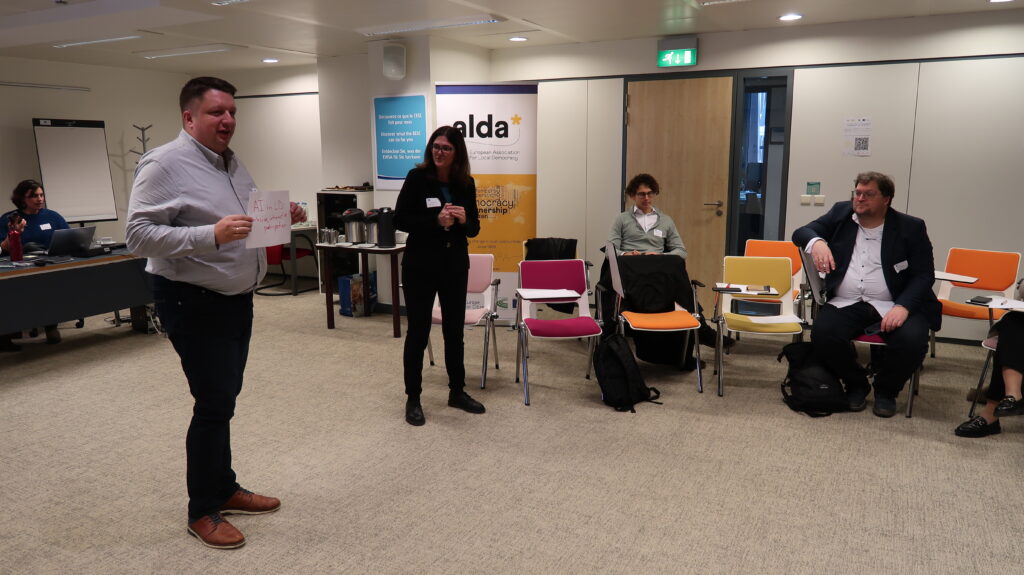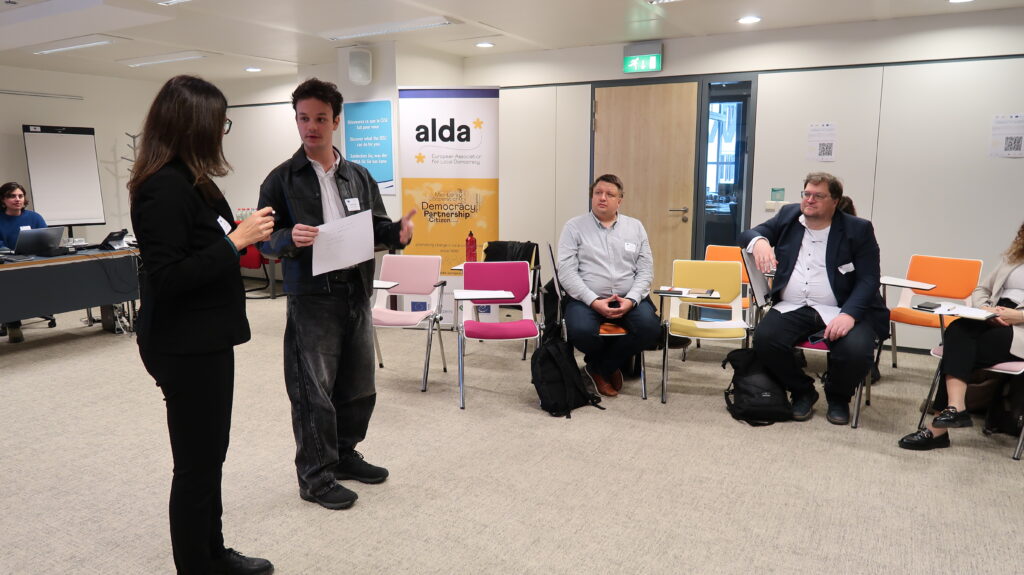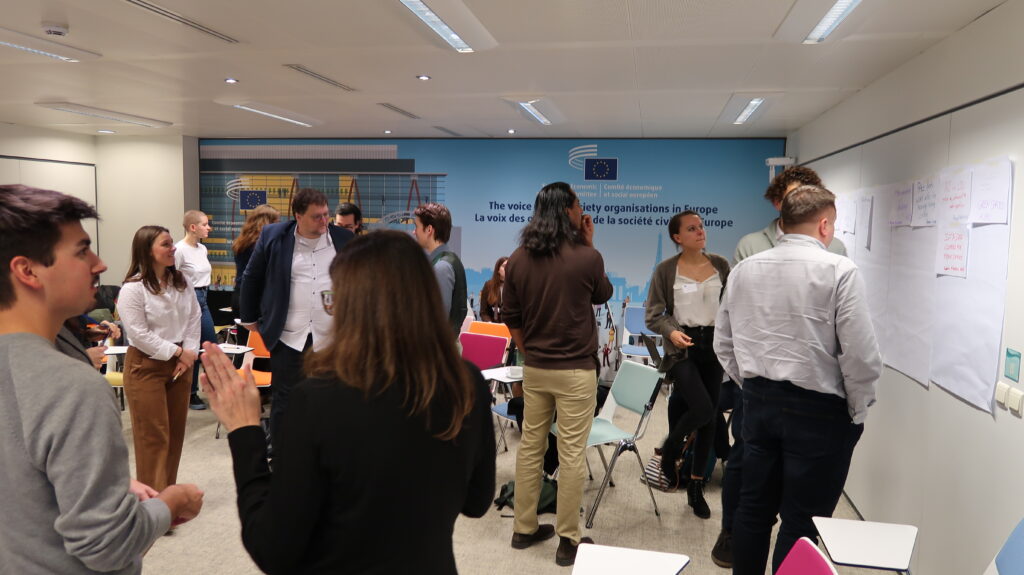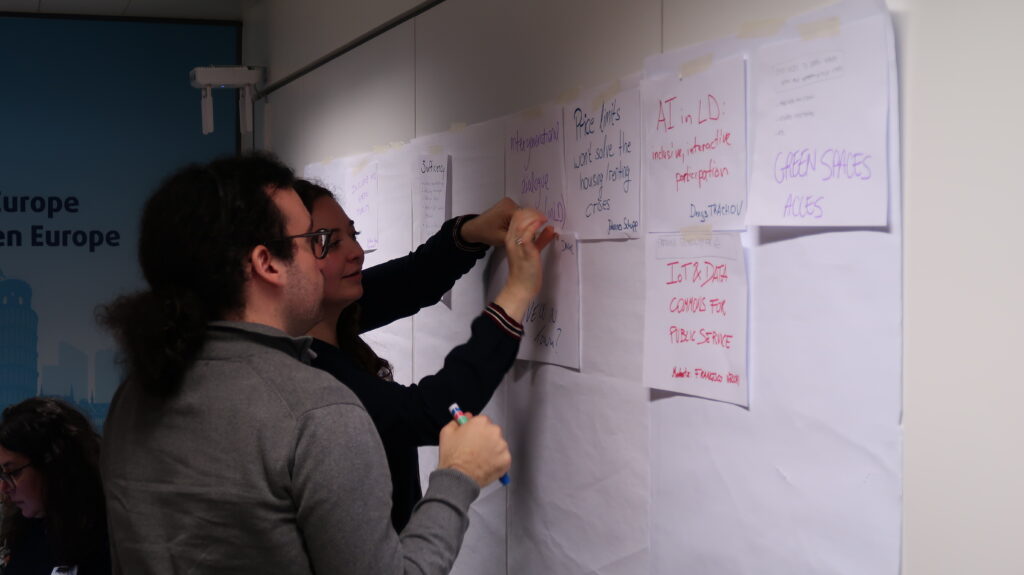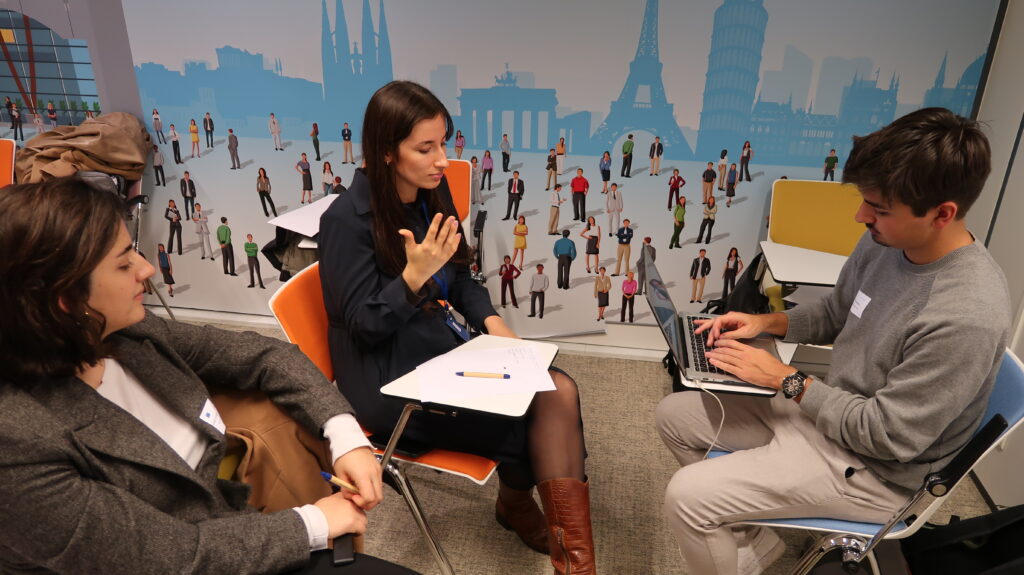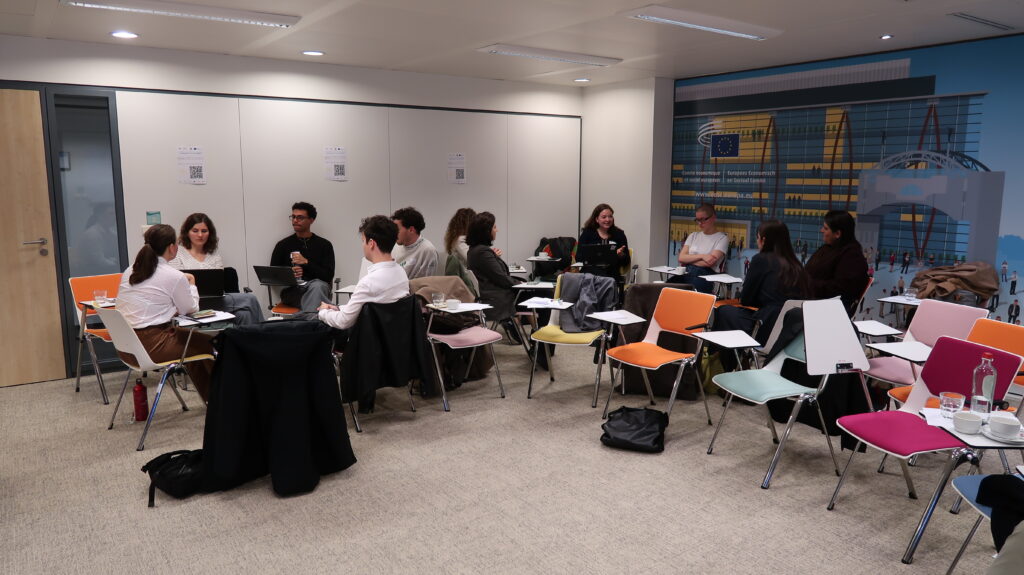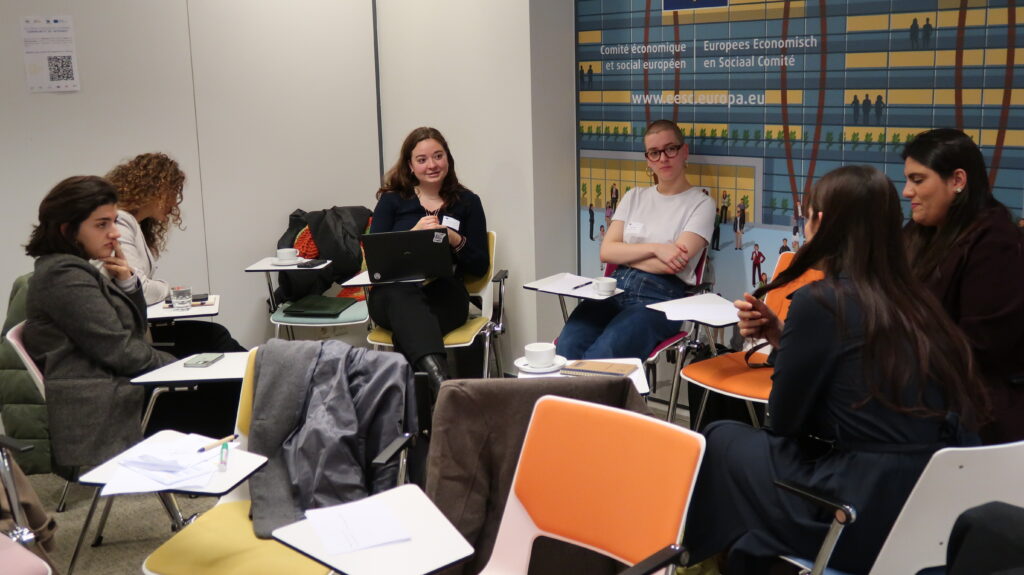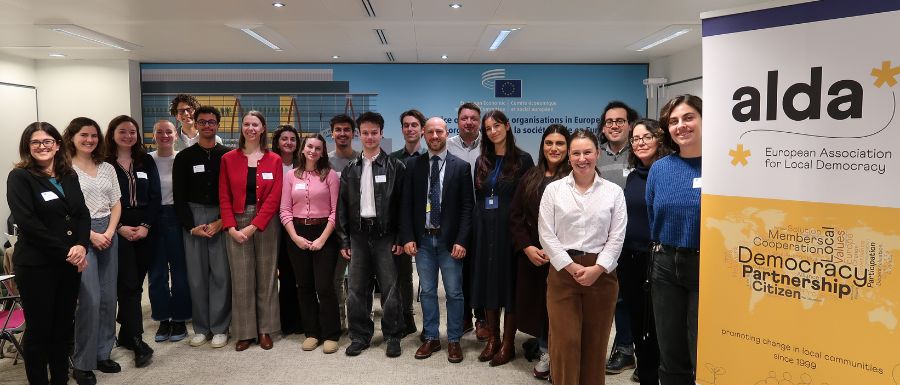
The international workshop “Shaping the Future of Local Governance in Europe: Fueling Citizen Visions” took place on December 9, organised by ALDA within the framework of the Citizen Foresight Europe project, funded by the EU’s CERV Programme. The event aimed to raise participants’ awareness of citizen foresight in the EU and give them the opportunity to experience first-hand an innovative methodology for citizen engagement and forward-thinking policy-making using Open Space Technology methodology.
The event took place at the European Economic and Social Committee (EESC) and opened with an insightful keynote speech by Pierluigi Brombo, Head of Unit for Foresight, Studies and Policy Assessment at the EESC, who highlighted the importance of foresight in shaping inclusive and resilient local governance across Europe.
Following the keynote, Martin Barthel, Vice Director and Executive Manager of Comparative Research Network (CRN), the project leader, presented the Citizen Foresight Europe project and introduced the online platform (www.citizenforesight.eu) which will bring together organisations interested in foresight and participatory policymaking across Europe.
The workshop then continued with an introduction to the Open Space Technology methodology by Anna Ditta, Head of the Project Development Department at ALDA. She explained the principles of this fully participatory approach, outlining the rules of engagement and what participants could expect from the sessions.
After a networking lunch, where participants had the chance to get to know each other and connect, they got into the heart of the open space workshop.
All were invited to reflect on the core theme of the workshop: building the cities of the future, grounded in strong local democracy and active citizen engagement
In line with the Open Space Technology approach, participants collectively proposed and selected the sub-topics they wished to explore, forming discussion groups around shared interests.
Four key sub-topics emerged: sustainable sufficiency and inclusion; intergenerational dialogue and social loneliness; the housing and renting crisis; and emerging technologies for local democracy. Each group was tasked with identifying current challenges and needs related to their chosen topic, envisioning desirable future scenarios, and co-developing concrete policy recommendations to help achieve these outcomes.
The policy recommendations emerged during the workshop will be published on the project partners’ websites in the coming months and will contribute to the broader objectives of the Citizen Foresight Europe project, supporting evidence-based, participatory, and forward-looking local governance across Europe.
If you want to learn more about the Open Space Technology methodology and other approaches employed by the project partners, you can consult this handbook developed by CRN, which compiles all the methodologies and practices used.
Within the framework of this project, ALDA has also launched a Community of Interest, which aims to bring together different stakeholders interested in foresight, foster the exchange of knowledge and tools, and increase their visibility through the above-mentioned platform developed by CRN.