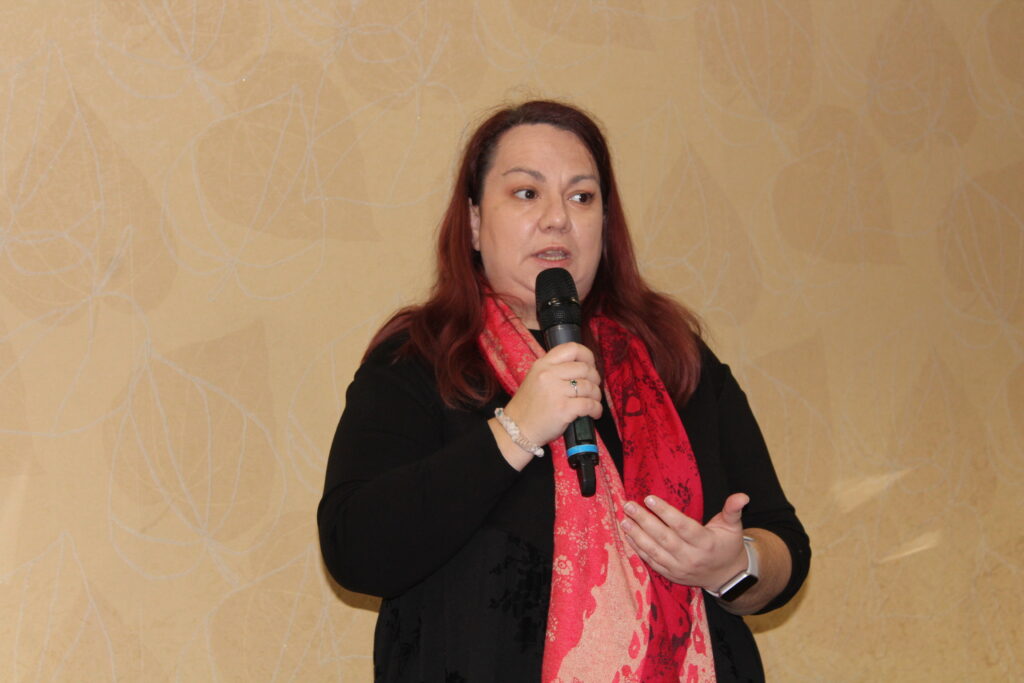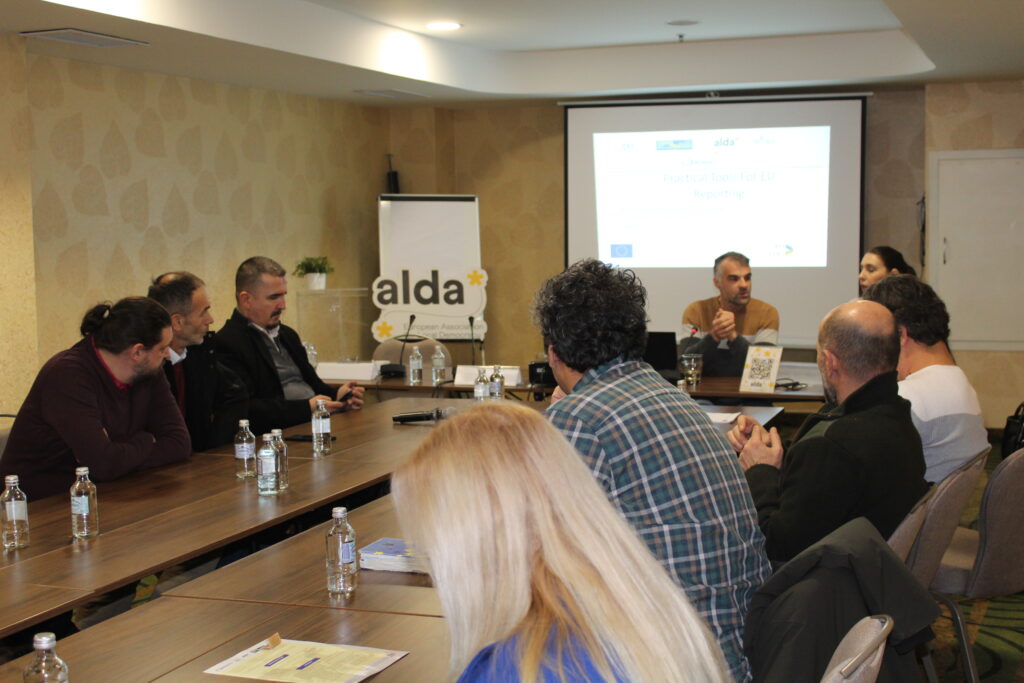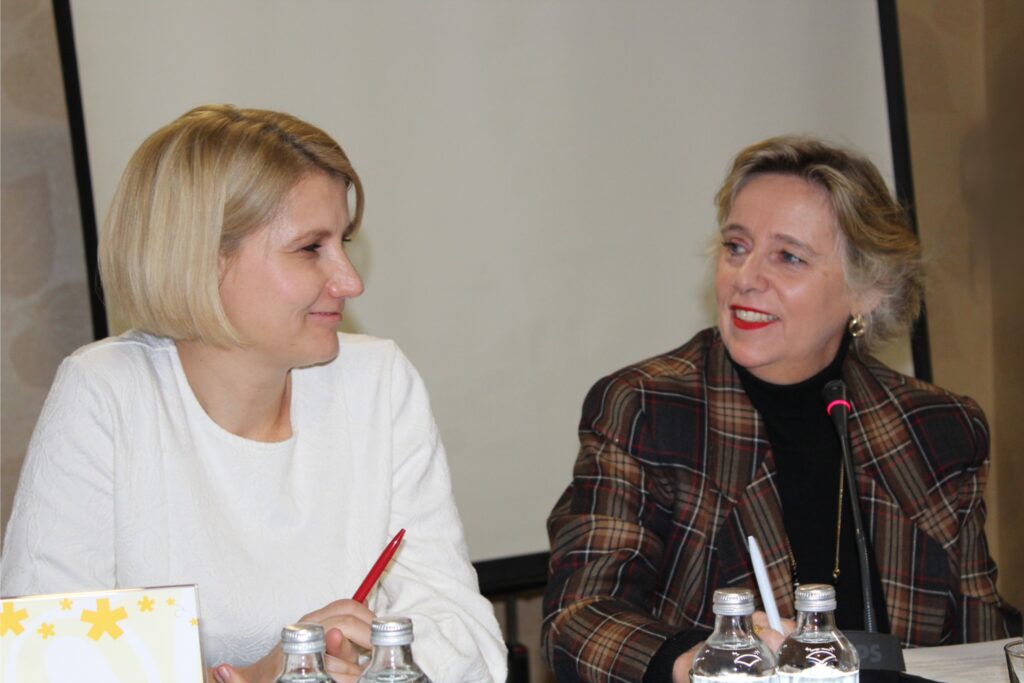
On 16 December in Skopje, North Macedonia the conference “Enhancing Media Education: Networking with EU Journalism Schools” in the framework of #Media4EU project opened with addresses from Ms. Katica Janeva, Director of ALDA Balkans, Ms. Antonella Valmorbida, Secretary General of ALDA, and Mr. Dimitar Nikolovski, Executive Director of Eurothink – Centre for European Strategies.
Ms. Janeva stressed the importance of the European Media Freedom Act (EMFA), noting that as the Act comes into full application and EU accession negotiations demand stronger media capacities, the challenge of global disinformation makes the need for well-trained, independent and ethical journalists greater than ever.
This event represents an investment in the future — in a democratic society, in informed citizens, and in the European perspective of North Macedonia
Ms. Valmorbida highlighted the difficulties caused by media concentration and ownership, which often leave local outlets struggling.
How do people receive information if there is a desert? How can we use local media to share the challenges and opportunities of EU accession? If local media are empowered, they can provide not just more information, but good information — based on data and the exchange of opinions.
Mr. Nikolovski underlined the role of media in shaping public perceptions, stressing that citizens must be clearly informed about the requirements and tangible changes that European integration will bring to their daily lives. Too often, this process is seen as bureaucratic and distant from citizens’ realities. With this project, we aim to bring it closer to the ground level, enhancing local stories that connect directly to European integration.
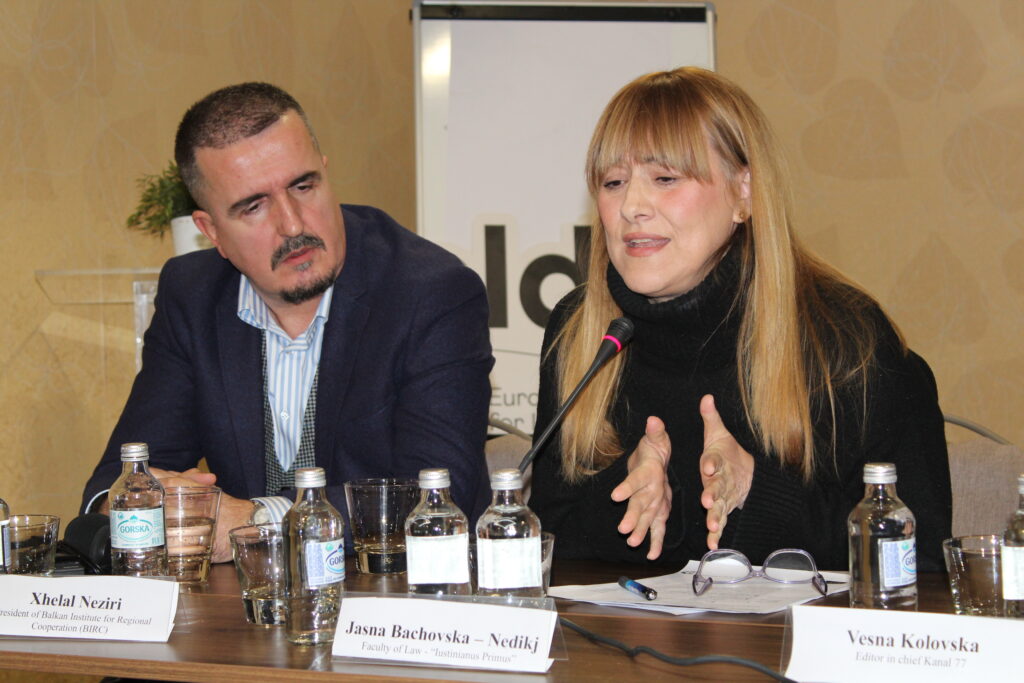
The first day of the conference featured the expert discussion “Media, Local Authorities & EU Integration.” Key representatives included Mr. Robert Jankulovski from Karpos municipality, Ms. Cristina Golojka of the Municipality of Rovinj in Croatia, Ms. Jasna Bachovska – Nedikj from the Faculty of Law “Iustinianus Primus” in North Macedonia, Mr. Xhelal Neziri, President of the Balkan Institute for Regional Cooperation (BIRC), and Ms.Vesna Kolovska, editor-in-chief of Kanal 77.
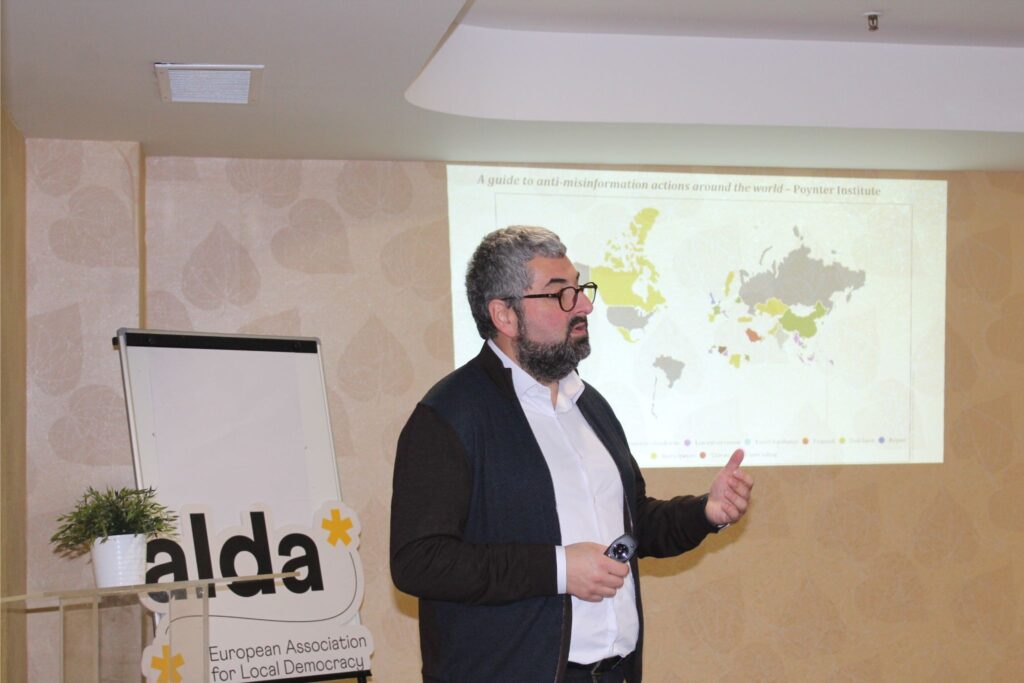
This was followed by sessions on capacity building for journalists. Professor Mr. Marko Milosavljevic of the University of Ljubljana and Mr. Bogdan Oprea, Director of the Department of Journalism at the University of Bucharest, presented the EU Media Education Standard. They outlined the EU’s journalism education framework, highlighted EMFA as a new legal reference point, and addressed quality standards, accreditation processes and comparative challenges between EU member states and the Western Balkans. An interactive discussion explored gaps and opportunities for improvement.
The programme continued with the training session “Media for EU” – European Case Studies”, led by Mr. Dragan Nikolic, Deputy Head f the Europe Future Centre and member of the Foreign Policy Forum in Croatia.o He presented case studies on reporting EU policies at national level and on local media coverage of EU funds and projects. The session concluded with an interactive workshop analysing examples of EU media coverage and reflecting on best practices for strengthening public communication.
The second day focused on sharpening journalistic skills in reporting on EU integration. Under the guidance of Ms. Selma Ucanbarlić, investigative journalist and strategic communications specialist, participants examined case studies on EU integration challenges, joined a workshop on uncovering stories within accession processes, and collaborated in group exercises to identify new opportunities for investigative reporting.
A practical session led by Mr. Dejan Šajinović from the Media Center Sarajevo provided hands-on training in using EU information sources and databases, fact-checking EU-related content, and developing story ideas. Journalists gained practical tools and insights to deliver accurate, impactful coverage of European integration.
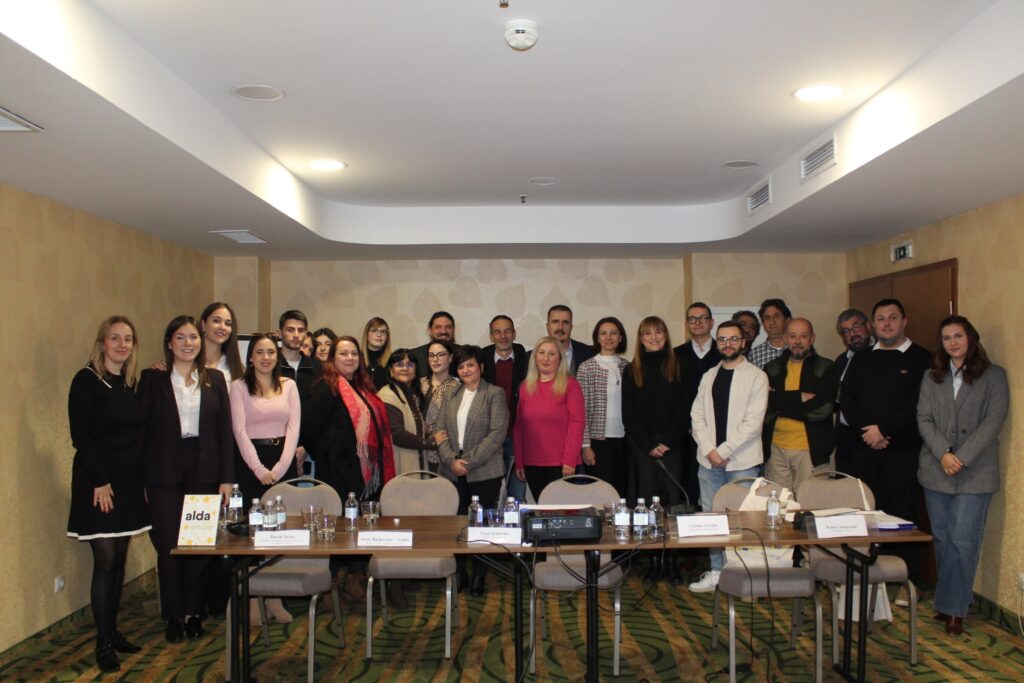
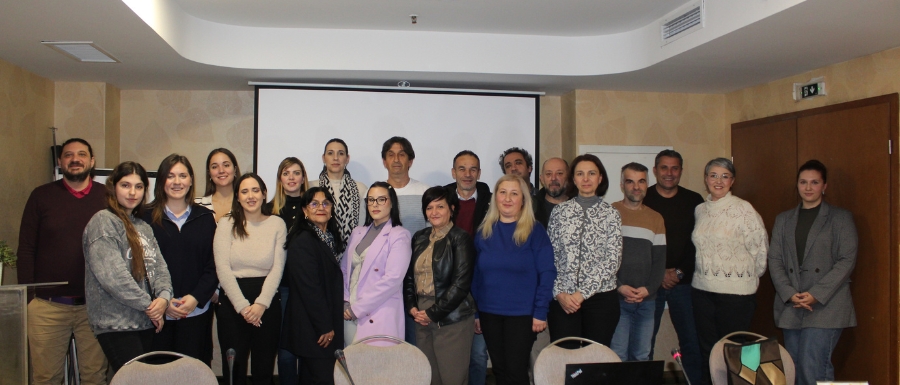
The event gathered 30 participants, expert and young journalists from national and local Macedonian media platforms that engaged in intensive training designed to strengthen their capacity to report on European integration. Through interactive sessions and workshops, they learned how to apply EU journalism education standards, utilise practical tools such as EU information sources and databases, and enhance their investigative skills in uncovering stories within accession processes. The goal of the training was to equip journalists with the knowledge, techniques and ethical frameworks necessary to deliver accurate, transparent and impactful coverage of EU-related developments, thereby fostering informed public debate and supporting North Macedonia’s European perspective.
The #Media4EU project is implemented by Eurothink – Centre for European Strategies, in partnership with ALDA – European Association for Local Democracy and BIRC. The event was supported by the European Union and Central European Initiative (CEI).