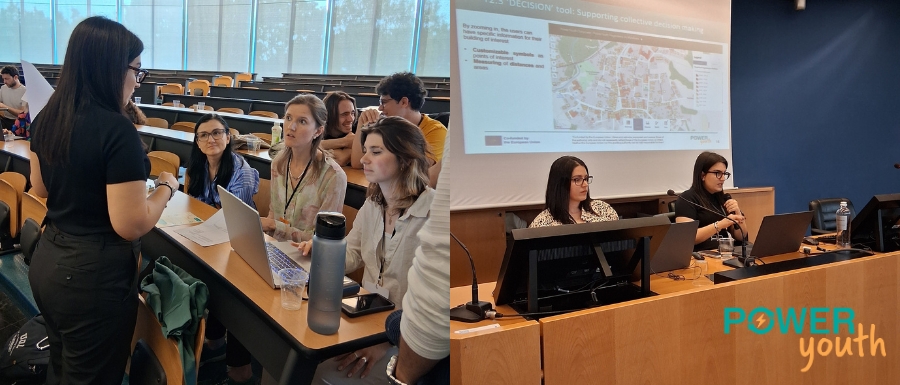
Within the framework of the 2026 YES-Europe Annual Conference, a key moment took place in Brescia, Italy, where a dynamic and forward-looking programme was hosted at A2A’s Training University. This session brought together participants from Milan and beyond, focusing on practical innovation, industrial perspectives, and the real-world implementation of sustainable energy solutions.
The programme featured a diverse range of speakers and experts who delivered insightful presentations and engaged in discussions addressing key dimensions of the energy transition. Topics included circular economy strategies, urban sustainability, technological innovation, and European policy frameworks, providing participants with a comprehensive understanding of the challenges and opportunities shaping Europe’s energy future. The agenda emphasised actionable knowledge, encouraging critical reflection on how innovative ideas can be translated into concrete and measurable impact.
A central highlight of this moment was the interactive session led by the POWERYOUTH project partners, including SingularLogic (Lead Partner), National Technical University of Athens, YES-Europe, and ALDA. The session promoted a collaborative and inclusive environment, enabling open dialogue between students, young professionals, and experienced stakeholders, in line with the conference’s mission to empower the next generation of energy leaders.
The session opened with the presentation of the POWERYOUTH Toolkit, featuring its three core components: PARTICIPATE, FINANCE, and DECISION. This was followed by an overview of the project’s capacity-building programme, highlighting its role in equipping young people with the skills and tools necessary to actively engage in the energy transition.
Participants were then divided into working groups to engage in interactive discussions, focusing in particular on the functionalities of the PARTICIPATE tool. This hands-on activity encouraged the co-creation of ideas and proposals, offering attendees a practical experience of participatory approaches to energy governance. The session not only strengthened understanding of the tool itself but also reinforced participants’ sense of ownership and engagement.
The setting in Brescia further highlighted the importance of regional hubs as drivers of national and European sustainability efforts, demonstrating how local ecosystems can contribute to broader systemic change.