Adrien Licha, Coordinator of the Secretariat and the Eastern Partnership Unit at ALDA, has been elected on behalf of ALDA as member of the Board of the European Movement – France along with 49 other members during its General Assembly that took place in Paris on Saturday, 17th of January 2026. The members of the Board are elected for 3 years, during which they define and approve the association’s annual action plan, in line with the project defined by the General Assembly.

Created in 1948 at the Congress of The Hague, the European Movement unites all active forces committed to a united Europe. For many years, ALDA has been an active member of the European Movement International and of the Italian Section of the European Movement (Consiglio Italiano del Movimento Europeo). ALDA joined the European Movement – France in 2021 and has been working closely with this organisation since.

We are proud to join forces with like-minded people and organisations, defending an ambitious vision of the European Union and engaging citizens to shape the future of the union at a critical moment for our continent.

During this mandate, ALDA will support the work of the European Movement – France, facilitating cooperation between sections within France and abroad, and answering the desire of members to engage with their counterparts in other European countries. We will also be happy to contribute through our core experience and expertise to the debates and activities on enlargement of the European Union, local and regional government, and support for democracy.

The general assembly of the European Movement France reelected Dr Hervé Moritz as President and appointed a new board. The event also hosted the President of the European Movement – ​​Germany, Dr Anna-Maija Mertens, and the President of the European Movement – ​​Italy, Pier-Virgilio Dastoli, for an exchange on the priorities of our pan-European organisation and on ways to address the challenges and threats facing the European Union.

The European Movement is part of ALDA’s network of partners, underscoring the strong synergy that guides our collaboration. With Adrien’s election, for which we are sincerely grateful, we look forward to further strengthening this work in the period ahead.

If you want to shape Europe’s future, join our network.

[Article in Italian]

ALDA Italia APS, insieme ai partner di progetto, presenta ufficialmente ASPIRA! – Aspirazioni, Sinergie, Partecipazione, Rete e Alleanze con i NEET con un evento di lancio in programma giovedì 29 gennaio 2026 alle ore 10.30 presso Villa Fabris a Thiene.


La mattinata si aprirà con una riunione riservata ai partner, dedicata alla condivisione di aspettative, obiettivi e modalità di collaborazione. A seguire, dalle 10:30 si terrà la presentazione ufficiale di ASPIRA!, durante la quale verranno illustrate nel dettaglio le attività previste e le azioni che prenderanno forma nei prossimi mesi.
Un’occasione di confronto e condivisione aperta a tutte le persone interessate.

Il progetto
ASPIRA! si rivolge ai giovani NEET (Not in Education, Employment or Training), in particolare tra i 18 e i 30 anni, una fascia che in Italia presenta percentuali tra le più alte in Europa. Le indagini mostrano come, accanto a una diffusa condizione di scoraggiamento, esista un interesse concreto da parte di molti giovani a migliorare la propria situazione attraverso l’ingresso o il rientro nel mondo del lavoro, soprattutto tramite percorsi formativi più mirati. Il progetto nasce quindi per sostenere il diritto dei giovani NEET ad aspirare a un futuro migliore e accompagnarli in questo percorso.
Il progetto, finanziato da Fondazione Cariverona, vede ALDA Italia APS come capofila e coinvolge una rete articolata di partner. I partner operativi sono NEXTQ APS, ENGIM, Samarcanda ONLUS e Villa Serena, mentre tra i partner sostenitori figurano il Comune di Thiene, l’Unione Montana Pasubio Piccole Dolomiti, GAGA Vicenza, la Fondazione Lions Schio e Thiene, il Centro Italiano Femminile della Provincia di Vicenza, il CPI Schio-Thiene, l’Ufficio di Ambito per l’Inclusione Sociale ATS Ven_04, oltre ai partner profit Niuko SRL, For Action SRL e Istituto Poster.

Obiettivi e attività
Il progetto si articola in tre azioni principali: orientamento professionale, integrazione sociale e supporto psicologico. Nella prima fase sono previste attività di empowerment, percorsi personalizzati di orientamento, coaching e mentoring di gruppo, uno sportello di consulenza e un servizio di supporto psicologico. A queste si affiancano laboratori e workshop per lo sviluppo di competenze trasversali e soft skills utili per l’ingresso nel mondo del lavoro.

La seconda fase è dedicata alla condivisione delle buone pratiche, attraverso tavoli di lavoro con i partner e la realizzazione di un toolkit metodologico. Il progetto si concluderà con un evento di restituzione al territorio presso Villa Fabris a Thiene e con una campagna di comunicazione volta a coinvolgere i NEET e informare la comunità locale.

Una rete territoriale stabile per garantire continuità
Parallelamente alle attività rivolte ai giovani, ASPIRA! punta a costruire e consolidare una rete di supporto stabile, grazie alla collaborazione tra realtà profit, no-profit e pubblica amministrazione locale.
L’intento è garantire continuità alle buone pratiche sviluppate durante il progetto, anche oltre la sua conclusione, rafforzando il tessuto sociale e le opportunità di inclusione nel territorio.

Per rimanere aggiornati e partecipare alle attività che si terranno nel corso del 2026 è necessaria l’iscrizione a questo link. Per maggiori informazioni: progetto.aspira@aldaintranet.org

[Article in Italian]

Continua il progetto RESPIRO di ALDA Italia APS, che si focalizza sulla promozione del diritto alla salute e della prossimità sociale. Il progetto mira anzitutto a potenziare l’offerta dei servizi medico-sociosanitari dell’Ambulatorio popolare gestito dall’Associazione Caracol, che offre cure mediche gratuite a persone in condizioni di disagio economico e/o socio-sanitario.

Il progetto è finanziato da Fondazione Cariverona e ha come capofila l’Associazione Caracol, insieme ai partner ALDA Italia APS e Cooperativa Equality.

In secondo luogo, il progetto intende aumentare e garantire un maggiore livello di informazione e sensibilizzazione sull’importanza dell’accesso alle cure, e infine rafforzare il coinvolgimento attivo della comunità locale nelle tematiche di cura, salute e welfare generativo.

Alla luce di quest’ultimo obiettivo, ALDA Italia APS è impegnata nella realizzazione di due attività chiave del progetto, pensate per coinvolgere la comunità vicentina in senso più ampio.

Sul tema della salute, è stato lanciato un ciclo di sei incontri tra associazioni, enti e cooperative del territorio per creare un Manifesto di Intenti, che definisce azioni e strumenti utilizzabili nei percorsi di welfare generativo all’interno della comunità. In altre parole, l’obiettivo di questi incontri è costruire collettivamente linee guida su come dovrebbe essere l’approccio alla salute e alla sanità sociale, partendo da parole chiave quali cura, salute e sanità, welfare generativo, comunità. Il documento potrà poi essere condiviso con le realtà del territorio impegnate nei temi della cura e della salute, in particolare a favore delle persone più svantaggiate.

Il primo incontro, tenutosi a fine dicembre, ha visto la partecipazione di associazioni del territorio, gruppi della società civile e realtà impegnate per il bene comune. Gli incontri sono aperti a tutti e rappresentano un’importante occasione di confronto, creazione di reti e rafforzamento delle relazioni territoriali.

ALDA Italia APS organizza inoltre due laboratori interattivi dedicati ai giovani su tematiche fondamentali quali le questioni di genere e la ricerca di lavoro, condotti da formatori e psicologi esperti. I laboratori sono pensati per essere altamente partecipativi, favorendo confronto, riflessione e apprendimento collaborativo.

Il primo laboratorio, svoltosi nel mese di gennaio 2026, si è articolato in tre incontri dedicati a temi quali la questione di genere, le dinamiche di potere e il legame tra salute e sessualità. Il secondo laboratorio, previsto tra febbraio e marzo 2026, sarà invece focalizzato sullo sviluppo di competenze per il mondo del lavoro, fornendo strumenti pratici per la ricerca attiva di lavoro, la scrittura del CV e la preparazione al colloquio.

Attraverso il progetto RESPIRO, ALDA Italia APS rinnova il proprio impegno nella tutela del diritto alla salute come bene comune, potenziando i servizi di prossimità e promuovendo la partecipazione attiva della comunità locale. Le attività partecipative e i laboratori rivolti ai giovani si configurano come strumenti concreti per accrescere la consapevolezza, rafforzare le reti territoriali e contribuire alla costruzione di un modello di welfare generativo inclusivo, attento ai bisogni delle persone, in particolare di quelle in maggiore condizione di vulnerabilità.

Throughout November 2025, the POWERYOUTH project hosted a dynamic series of five online webinars aimed at empowering young people to understand, design, and lead Energy Communities across Europe.

The webinar series brought together experts, practitioners, and young participants to explore key concepts, practical tools, and collaborative approaches that support youth engagement in Europe’s energy transition. Combining expert input with interactive activities, the series offered a comprehensive learning journey — from foundational knowledge to hands-on planning.


Webinar 1 – What is an Energy Community?

4 November 2025 | 10:30–11:30 CET

The series opened with a foundational session introducing the concept of Energy Communities. Following a short welcome and presentation of the POWERYOUTH project, participants attended a 45-minute keynote by Mr. Kupiec from PNEC, who outlined the principles, benefits, and emerging opportunities linked to Energy Communities across Europe.

A concluding Q&A session allowed participants to clarify key concepts and reflect on the relevance of community energy initiatives in their local contexts.

Webinar 2 – Setting Up, Monitoring & Evaluating Your Energy Community

7 November 2025 | 12:30–13:30 CET

The second webinar focused on the practical steps required to establish and manage an Energy Community. After the introductory session, Christos Vrettos delivered a detailed 35-minute presentation addressing preparation phases, business planning, and monitoring and evaluation frameworks.

Participants then joined Activity II, a hands-on breakout session facilitated by Evi Makri from National Technical University of Athens, together with Christos and Dimitris. The breakout rooms enabled meaningful interaction among small groups, encouraging peer learning and practical exchange.

The session concluded with a Q&A and closing remarks.

Webinar 3 – Energy Community Modules

10 November 2025 | 12:30–13:30 CET

The third webinar explored the modular structure of Energy Communities. After the welcome and POWERYOUTH overview, Paula and Irene from OURPOWER delivered a 45-minute in-depth presentation on governance, technical components, and organisational models that shape Energy Communities.

Participants engaged in a short Q&A before the session concluded.

Webinar 4 – The Role of Youth in Energy Communities & Stepping Stones for Developing a Youth Energy Community

19 November 2025 | 12:30–13:30 CET

This session focused on the central role of young people in shaping the future of community energy. The keynote speech by Krista Petersone from RPR highlighted youth engagement, leadership, and empowerment within Energy Communities.

The session continued with Activity III – Building Your Energy Community, a collaborative breakout exercise facilitated by Silvia, Krista, and Evi. Participants worked together to outline the first steps towards designing their own youth-led Energy Community initiatives.

A brief Q&A and closing remarks wrapped up the webinar.

Webinar 5 – Initiating Our Youth Energy Community (POWERYOUTH Toolkit)

26 November 2025 | 12:30–13:30 CET

The final webinar showcased the POWERYOUTH Toolkit, designed to support young people in launching and managing Energy Communities. The session featured live tool demonstrations, presented without slides, to emphasise usability and practical application.

Building Capacity for Europe’s Energy Transition

The 2025 POWERYOUTH webinar series brought together diverse perspectives and expertise, equipping young people with the knowledge, skills, and tools needed to actively contribute to Europe’s energy transition through community-based initiatives.

Recordings of all webinars are now available on the SingularLogic POWERYOUTH website, allowing participants — and those who could not attend live — to revisit the sessions at their own pace.

The AMIL projectAlliance Multi-stakeholders for Migrants Integration and Labour – continues to strengthen the sustainable integration of Third Country Nationals into the European labour market. Through a multi-level approach involving local, regional, national, and European stakeholders, AMIL responds concretely to both the needs of people with migrant background and the requirements of organisations tasked with managing and valuing an increasingly diverse workforce.

Within this framework, CODECA, the Cypriot partner of the project, has recently implemented a series of high-impact initiatives, achieving significant results in enhancing skills and employability among migrant communities in Cyprus.

Language as a Key to Employment

On 11 November 2025, CODECA celebrated the successful completion of the first cycle of the Greek Language Programme, which began in July 2025.

The course, lasting four months for a total of 64 training hours, offered personalised learning pathways tailored to the professional needs and work contexts of the participants.
All 30 participants who regularly attended the programme obtained an A2-level Greek language certification. Beyond improving language skills, the initiative significantly contributed to increasing participants’ confidence, autonomy, and readiness to navigate the local labour market.

Soft Skills for Real Employability

At the same time, from 11 to 13 November 2025, CODECA organised a series of three-day workshops focused on soft skills development, delivered both in person and online to ensure maximum participation.

The workshops involved 35 beneficiaries, including asylum seekers, refugees, and holders of temporary or subsidiary protection.

Through practical and interactive activities, participants worked on key skills for labour market integration, addressing topics such as:

  • CV writing;
  • Interview techniques;
  • Strategies for professional success;
  • Workplace etiquette and interpersonal skills;
  • Job search methods and available resources;
  • Legal rights and procedures for Third Country Nationals seeking employment in Cyprus.

A Concrete and Immediate Impact

The feedback collected highlighted the high quality of the content and its immediate applicability, confirming a high level of engagement and satisfaction among participants.
These initiatives demonstrate CODECA’s commitment to providing targeted and effective support for migrant integration.

Thanks to the combination of tailored skills development, practical guidance, and legal knowledge, the AMIL project helps participants feel more confident and prepared, while also strengthening the capacity of local institutions to welcome and integrate diverse populations.

For more information about the AMIL project, have a look at its website

On 10 December 2025, on the occasion of Human Rights Day, ALDA hosted in Rome the FOCUS project final event dedicated to the EU Charter of Fundamental Rights. The event marked a key moment to reflect on how fundamental rights move from legal principles to concrete action, especially at local level, where institutions and communities work every day to make them real.

Over this year, FOCUS has worked to strengthen awareness and understanding of the EU Charter of Fundamental Rights across Europe. Journalists, experts, civil society organisations, local authorities, and young people have all been part of the journey, and many of these voices were brought together in one room to reflect on what has been achieved and, just as importantly, on what still needs to be done.

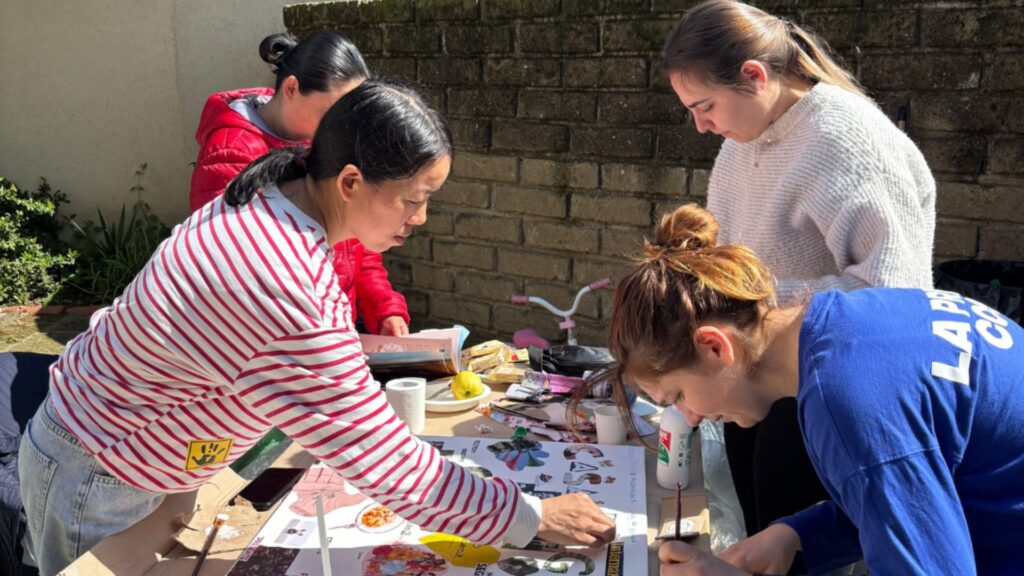
The event opened with a session dedicated to presenting the work carried out during the local trainings organised across Europe, giving participants an overview of how the EU Charter of Fundamental Rights had been explored and discussed on the ground. The members involved were the Municipality of Brescia in Italy, the Barcelona Provincial Council in Spain, the Human Rights Cities Network in Belgium, RAM Central Stara Planina in Bulgaria, and the Local Councils Association in Malta. Each had its own dedicated table, and participants moved around freely, sometimes leaning over tables to hear a story, other times scribbling notes or exchanging tips with a neighbour. This made every table a real space for exchange: participants shared their experiences, discussed challenges they encountered, and compared approaches to making the Charter more relevant in everyday decision-making.

The discussion then moved into two roundtable sessions, the first focused on Equality and Solidarity, two core pillars of the Charter. The goal was to bring these conversations beyond theory: participants worked on concrete policy recommendations, reflecting on how EU rights and values can be better translated into action on the ground. Attention was also given to the actors involved in policymaking at EU level, and to how local authorities, civil society, and citizens can have a stronger voice in these processes.

The second one focused on the everyday obstacles faced by local communities when trying to uphold fundamental rights. Around the tables, participants identified shared needs and recurring issues, from social inclusion and access to services, to environmental protection and participation in decision-making. These discussions highlighted how local realities can inform broader European debates, and why listening to them matters.


The EU Charter of Fundamental Rights truly becomes meaningful when it is translated into concrete action at local level, through the daily work of communities, institutions, and civil society


Closing the event and the project on Human Rights Day gave extra weight to these reflections. The conversations we had in Rome made clear that, while the EU Charter provides a strong legal and political framework, rights only become real when they are understood, claimed, and defended in daily life, and for this reason, local authorities and communities play a crucial role in this process, acting as a bridge between European values and citizens’ lived experiences.

The FOCUS final event did not feel like an ending, but rather a handover. The ideas, connections, and recommendations that emerged in Rome are meant to travel further, back to cities, regions, and organisations across Europe, becoming part of the broader and ongoing work of turning fundamental rights into practice.


A year of shared work showed that the EU Charter of Fundamental Rights truly comes to life when local authorities, civil society, and citizens work together to turn European values into concrete action.

On 22 December 2025, the LDA Kharkiv Region hosted the online meeting “Policy Frameworks for Sustainable Development of Communities in War Crisis and Post-War Contexts”, bringing together Ukrainian local authorities, international partners, and experts to reflect on sustainable development pathways for communities affected by war.

The meeting provided a valuable space for exchange on how local governance, urban planning, and community-driven approaches can support resilience, recovery, and long-term development in the context of ongoing conflict and future reconstruction.

The discussion was opened and moderated by Yaroslav Bedenko, Liaison of LDA Kharkiv Region, who underlined the importance of maintaining structured dialogue between local actors and international partners, even under conditions of uncertainty and insecurity.


Introductory remarks were delivered by Yuriy Stepanets, ALDA Representative in Ukraine, who highlighted the crucial role of local authorities and civil society in safeguarding democratic governance.


Institutional representatives from the Kharkiv Oblast Council and from the territorial communities of Merefa, Kupyansk, Izium, alongside representatives from more than ten additional communities in the Kharkiv Region, actively contributed to the exchange. Their interventions focused on the immediate impacts of war on local infrastructure, social cohesion, and service provision, as well as on emerging priorities for medium- and long-term development.

A key thematic contribution was delivered by Fulco Treffers, co-founder of Ro3kvit Urbanist Coalition for Ukraine, who presented approaches to sustainable urban development and recovery-oriented spatial planning. The presentation emphasised the need to align reconstruction efforts with principles of sustainability, inclusiveness, and community participation, ensuring that rebuilding processes strengthen local capacities rather than merely restoring pre-war conditions.

Community representatives shared concrete examples of locally driven solutions developed during wartime, demonstrating the adaptability and resilience of Ukrainian municipalities in responding to complex and rapidly evolving challenges.

Overall, the meeting highlighted the strong commitment of Ukrainian communities to sustainable development, even in times of crisis. It may represent a first step towards establishing a regular platform for dialogue on urban development, post-war reconstruction, and community empowerment in Ukraine, reinforcing the role of local actors as key drivers of democratic and sustainable recovery.

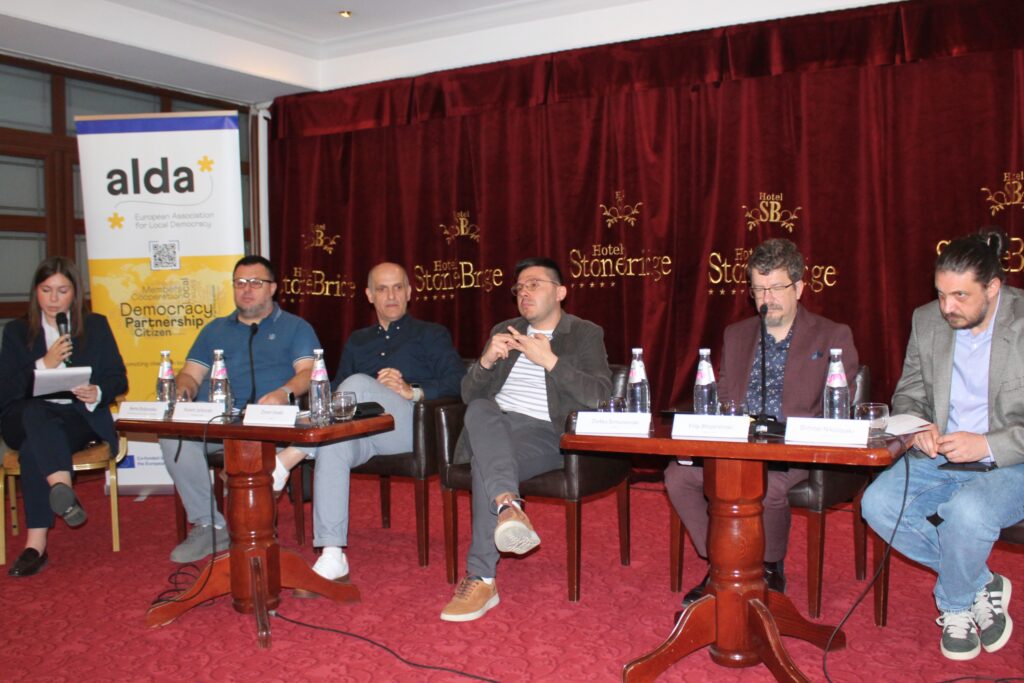
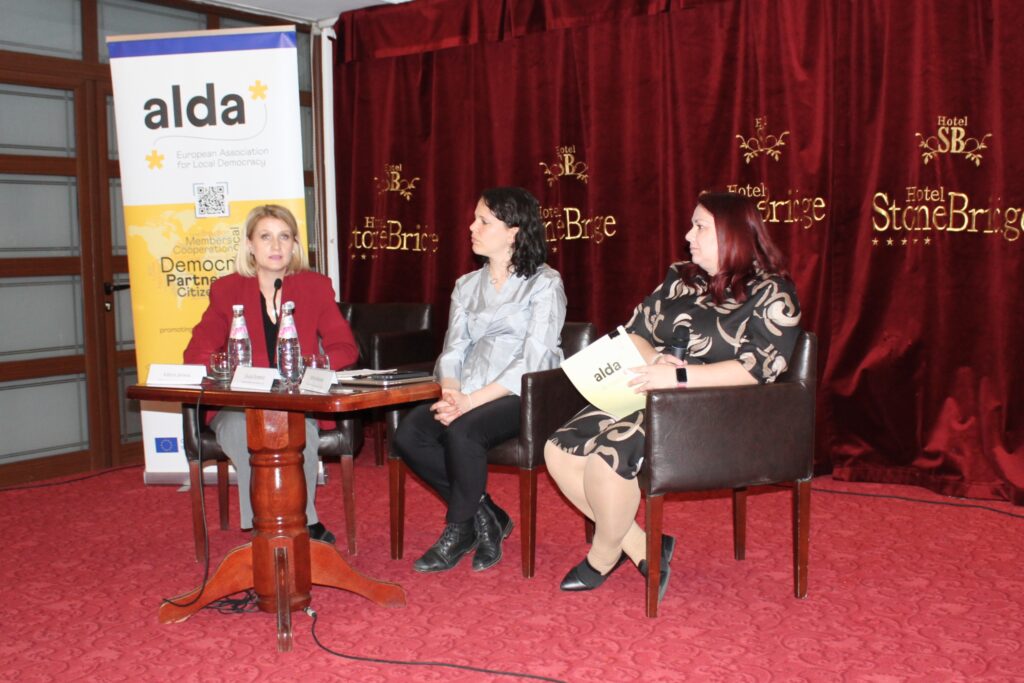
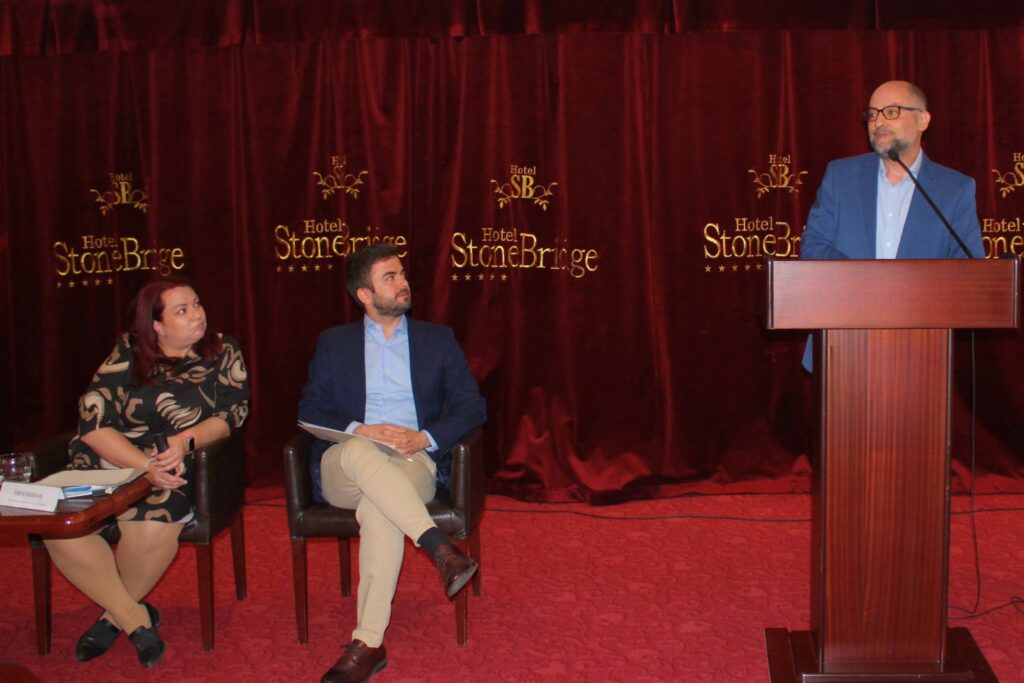
On 16 December in Skopje, North Macedonia the conference “Enhancing Media Education: Networking with EU Journalism Schools” in the framework of #Media4EU project opened with addresses from Ms. Katica Janeva, Director of ALDA Balkans, Ms. Antonella Valmorbida, Secretary General of ALDA, and Mr. Dimitar Nikolovski, Executive Director of Eurothink – Centre for European Strategies.


Ms. Janeva stressed the importance of the European Media Freedom Act (EMFA), noting that as the Act comes into full application and EU accession negotiations demand stronger media capacities, the challenge of global disinformation makes the need for well-trained, independent and ethical journalists greater than ever.


This event represents an investment in the future — in a democratic society, in informed citizens, and in the European perspective of North Macedonia


Ms. Valmorbida highlighted the difficulties caused by media concentration and ownership, which often leave local outlets struggling.

How do people receive information if there is a desert? How can we use local media to share the challenges and opportunities of EU accession? If local media are empowered, they can provide not just more information, but good information — based on data and the exchange of opinions.

Mr. Nikolovski underlined the role of media in shaping public perceptions, stressing that citizens must be clearly informed about the requirements and tangible changes that European integration will bring to their daily lives. Too often, this process is seen as bureaucratic and distant from citizens’ realities. With this project, we aim to bring it closer to the ground level, enhancing local stories that connect directly to European integration.

The first day of the conference featured the expert discussion “Media, Local Authorities & EU Integration.” Key representatives included Mr. Robert Jankulovski from Karpos municipality, Ms. Cristina Golojka of the Municipality of Rovinj in Croatia, Ms. Jasna Bachovska – Nedikj from the Faculty of Law “Iustinianus Primus” in North Macedonia, Mr. Xhelal Neziri, President of the Balkan Institute for Regional Cooperation (BIRC), and Ms.Vesna Kolovska, editor-in-chief of Kanal 77.

This was followed by sessions on capacity building for journalists. Professor Mr. Marko Milosavljevic of the University of Ljubljana and Mr. Bogdan Oprea, Director of the Department of Journalism at the University of Bucharest, presented the EU Media Education Standard. They outlined the EU’s journalism education framework, highlighted EMFA as a new legal reference point, and addressed quality standards, accreditation processes and comparative challenges between EU member states and the Western Balkans. An interactive discussion explored gaps and opportunities for improvement.

The programme continued with the training session “Media for EU” – European Case Studies”, led by Mr. Dragan Nikolic, Deputy Head f the Europe Future Centre and member of the Foreign Policy Forum in Croatia.o He presented case studies on reporting EU policies at national level and on local media coverage of EU funds and projects. The session concluded with an interactive workshop analysing examples of EU media coverage and reflecting on best practices for strengthening public communication.

The second day focused on sharpening journalistic skills in reporting on EU integration. Under the guidance of Ms. Selma Ucanbarlić, investigative journalist and strategic communications specialist, participants examined case studies on EU integration challenges, joined a workshop on uncovering stories within accession processes, and collaborated in group exercises to identify new opportunities for investigative reporting.

A practical session led by Mr. Dejan Šajinović from the Media Center Sarajevo provided hands-on training in using EU information sources and databases, fact-checking EU-related content, and developing story ideas. Journalists gained practical tools and insights to deliver accurate, impactful coverage of European integration.

The event gathered 30 participants, expert and young journalists from national and local Macedonian media platforms that engaged in intensive training designed to strengthen their capacity to report on European integration. Through interactive sessions and workshops, they learned how to apply EU journalism education standards, utilise practical tools such as EU information sources and databases, and enhance their investigative skills in uncovering stories within accession processes. The goal of the training was to equip journalists with the knowledge, techniques and ethical frameworks necessary to deliver accurate, transparent and impactful coverage of EU-related developments, thereby fostering informed public debate and supporting North Macedonia’s European perspective. 

The #Media4EU project is implemented by Eurothink – Centre for European Strategies, in partnership with ALDA – European Association for Local Democracy and BIRC. The event was supported by the European Union and Central European Initiative (CEI). 

Brussels, Belgium – From 8 to 10 December, local and regional leaders from across the globe gathered in Brussels for the 9th edition of the Cities and Regions for International Partnerships Forum, co-organised by the European Committee of the Regions (CoR) and the European Commission – DG INTPA. The Forum highlighted the essential contribution of local and regional authorities to the implementation of the European Union’s Global Gateway Strategy, with a strong focus on aligning EU investments with community needs and sustainable development objectives.

Held under the title “Localising Global Gateway”, the 2025 edition of the Forum underscored the importance of territorial approaches in a global context marked by increasing geopolitical competition and slow progress in achieving global development agendas. Discussions emphasised the relevance of the Global Gateway’s 360-degree approach, as well as the key role played by local and regional authorities in strengthening the Team Europe approach and accelerating the localisation of the Sustainable Development Goals (SDGs).

Within this framework, ALDA supported the participation of Mr Leonid Boaghi, Mayor of Sireți village (Republic of Moldova). Sireți Municipality has been an ALDA member since 2020, and the Mayor’s presence at a high-level international forum confirmed the local community’s commitment to actively engaging in European and international cooperation processes.


Local authorities are indispensable actors in translating the Global Gateway Strategy into concrete, citizen-centred results on the ground


ALDA continues to play a key role in facilitating dialogue between local communities and European institutions, while also supporting its members in accessing European funding opportunities and international partnerships. Participation in forums of this scale enables local leaders to strengthen their strategic positioning within EU cooperation frameworks and to engage directly with institutional and territorial partners.

Throughout the Forum, bilateral meetings and exchanges took place with representatives of cities and regions from the European Union, as well as from partner countries in Africa, Asia, Latin America and the EU neighbourhood. Discussions focused on joint initiatives, decentralised cooperation, institutional partnerships and projects eligible for European funding, laying the groundwork for future collaboration.

For local communities in the Republic of Moldova, including Sireți, such participation is not symbolic. It represents a concrete step towards strengthening administrative capacity, improving the preparation and submission of EU-funded project proposals, and attracting investments that support sustainable local development.

The next phase will focus on consolidating partnerships, identifying relevant funding lines, and developing project proposals, ensuring that opportunities discussed at European level are translated into tangible benefits for citizens.

Organised on a biennial basis, the Cities and Regions for International Partnerships Forum remains the leading global event dedicated to decentralised international cooperation, offering a unique space for political dialogue, exchange of good practices, networking and partnership-building, with the local perspective at the heart of EU development and cooperation policies.

Between October and December 2024, ALDA organised a series of four workshops across Europe dedicated to the Citizens, Equality, Rights and Values (CERV) programme. These events aimed to both raise awareness about the strategic importance of the CERV programme and to strengthen the capacity of local authorities and civil society organisations to develop and submit high-quality project applications. By bringing the programme closer to local actors, ALDA reaffirmed its commitment to empowering communities and institutions to actively contribute to European democratic life.

The CERV programme is a key EU funding instrument supporting projects that promote citizens’ engagement, equality, fundamental rights, and European values. Yet, for many local stakeholders, accessing this programme can seem complex and distant. ALDA’s series of workshops responded directly to this challenge by combining policy-oriented discussions on the programme’s objectives with practical, hands-on guidance on project development, partnerships, and application processes.

The first event took place on 15 October in Krzyżowa, Poland, hosted by ALDA Governing Board member the Merkury Foundation. Set in a location with strong historical and civic significance, the workshop gathered civil society organisations and local actors interested in democracy, dialogue, and civic participation. Participants explored how CERV priorities can be translated into concrete local projects, particularly in contexts where strengthening democratic culture and citizen engagement is essential. The session also offered space for exchanges between organisations, fostering new connections and potential partnerships at national and European levels.

The second stop was Paris, France, on 6 November, organised in collaboration with the FNADAC (Fédération nationale de Directeurs des Affaires Culturelles). This workshop placed a strong emphasis on the role of culture in promoting European values, civic participation, and inclusion. Cultural professionals and local authorities discussed how CERV can support initiatives that bridge culture and democracy, such as participatory cultural projects, remembrance initiatives, and actions promoting diversity and fundamental rights. The collaboration with FNADAC allowed ALDA to reach a specific and highly relevant audience, highlighting the programme’s potential beyond traditional civic or institutional actors.

On 3 December, the series continued in Brussels, Belgium, with the support of ALDA member ECIT Foundation. Taking place at the heart of the European Union, this workshop offered participants a broader policy perspective on the CERV programme, linking local project ideas to EU-level priorities and strategies. The Brussels event provided valuable insights into how local initiatives can contribute to wider European objectives, while also offering practical advice on navigating calls for proposals, building strong European partnerships, and aligning projects with CERV’s evaluation criteria. The setting encouraged direct dialogue on how EU funding can effectively support grassroots democracy.

The final event was held on 5 December in Valletta, Malta, in collaboration with the country’s Local Councils’ Association. This workshop strongly focused on the role of local authorities as key actors in implementing European values on the ground. Local council representatives discussed concrete challenges faced at municipal level, from citizen participation to social inclusion, and explored how CERV-funded projects can offer innovative responses. The exchange of experiences among local authorities underlined the programme’s relevance for small and medium-sized municipalities across Europe.

Across all four events, a common message emerged: the CERV programme is a powerful tool for strengthening democracy, rights, and values, but its impact depends on the capacity of local actors to access and implement it. By tailoring each workshop to its local context and audience, ALDA successfully contributed to demystifying the programme and encouraging participants to turn ideas into concrete project proposals.

Through this series, ALDA once again demonstrated its role as a bridge between European policies and local realities, fostering knowledge-sharing, capacity-building, and cooperation. The organisation looks forward to continuing its support to members and partners in developing impactful CERV projects that bring European values to life at the local level.

[Article in Italian]

Giovedì 4 Dicembre 2025 nel comune di Monte di Malo si è svolto l’evento “Soprattutto sotto: un viaggio nel cuore sotterraneo di Monte di Malo”. Questo evento si inserisce all’interno del progetto HILL Habitat in Living Landscape, un progetto finanziato da Fondazione Cariverona, che vede il Comune di Monte di Malo come capofila affiancato da diversi partner di progetto: Alda Italia APS, Biosphaera, Federazione Speleologica Veneta, Gruppo Speleologi Malo, Musei Alto Vicentino e IC Ciscato

Il progetto nasce nel 2022 con l’obiettivo di proteggere, valorizzare ed espandere due Zone di Conservazione Speciale (ZCS) nell’area: la ZCS Biotopo “Le Poscole” e il sito “Buso della Rana”.
L’evento si è tenuto presso la scuola secondaria di primo grado “IC Ciscato”, a Monte di Malo e ha visto presenti più di 40 persone. 

La serata è iniziata ripercorrendo contenuti e risultati raggiunti durante il percorso partecipativo del progetto, che si è svolto tra ottobre e novembre 2023, coordinato da ALDA Italia APS.

Illustrando le statistiche raccolte durante le sei serate che hanno costituito il percorso, si è posto l’accento sui dati relativi alla provenienza dei partecipanti, che per il 60% non erano cittadini di Monte di Malo. Questo dato ha portato ad una serie di considerazioni da parte dei presenti, consapevoli che i cittadini nativi di Monte di Malo danno spesso per scontata la ricchezza del loro territorio, mentre le persone provenienti dai paesi limitrofi che visitano queste zone hanno invece un interesse specifico, spesso accompagnato da motivazioni professionali e di studio. 

La serata è poi proseguita con l’intervento di Marcello Manea e Matteo Scapin, membri del Gruppo Speleologi Malo (GSM), che in questa occasione hanno presentato il volume divulgativo “Soprattutto Sotto, Ricerca e studio sul carsismo nell’altopiano Faedo – Casaron”, di cui sono curatori. 

A moderare il loro intervento Lisa Battistel, artista veneta che attraverso alcune domande ha guidato un’analisi del libro e della sua produzione. 

I relatori hanno ripercorso il loro avvicinamento alla speleologia e hanno spiegato come è nata l’idea di scrivere un libro per poter catalogare le grotte presenti nel territorio. Il volume vuole quindi essere uno strumento per riunire e riavvicinare i membri del GSM, aprendosi anche alla collaborazione con altri gruppi. Il libro racchiude inoltre una serie di contributi e interventi da parte di diversi esperti esterni al mondo della speleologia: geologi, naturalisti, storici. 

Per poter arrivare alla catalogazione definitiva delle 178 grotte del territorio, sono state fatte più di 70 uscite nell’altopiano Faedo-Casaron, e altrettante sono state le persone coinvolte nella realizzazione del volume: tra queste i primi speleologi del gruppo, i cui contributi sono stati inseriti in un documentario sulla storia esplorativa delle grotte, il quale è stato mostrato durante l’evento. 

Il volume si avvale anche della collaborazione con Federico Bruttomesso, uno speleologo appassionato di fotografia che ha offerto al GSM il suo supporto nella realizzazione di una serie di fotografie all’interno delle grotte, così da aumentare la fruibilità delle stesse e del libro. In occasione dell’evento è stata infine presentata la mostra “Soprattutto dentro – Evoluzioni artistiche della grotta interiore”, costituita dalle fotografie a cura di Federico Bruttomesso e dai quadri realizzati da Lisa Battistel. 

Dear Members, Partners, and Friends of ALDA,

As we gather at the close of 2025, I am honoured to address you on behalf of our entire community, our Governing Board, Advisory Board, the network of Local Democracy Agencies, and all those who stand with us in our mission to strengthen democracy from the ground up.

This year has been one of extraordinary intensity. Across our neighbourhood and within the European Union itself, we have witnessed growing polarisation, shrinking civic space, unprecedented waves of misinformation, and a widespread sense of democratic fatigue. Ongoing and emerging conflicts continue to affect our partners and the communities we serve, reshaping priorities and demanding urgent, coordinated responses.

Yet, amid these challenges, 2025 has reaffirmed something essential: local democracy strengthens democracy and remains the most powerful antidote to the challenges our societies are experiencing.

Throughout this year, ALDA has expanded its work to enhance participation, resilience, and good local governance in all directions. We have consolidated partnerships, scaled up our thematic hubs, and played an active role in key policy dialogues at both European and international levels. Our team has delivered hundreds of activities reaching thousands of citizens, empowering them to participate meaningfully, voice their needs, and become actors of democratic change.

In 2025, we also reaffirmed a central pillar of our identity: engaged and empowered citizens are at the heart of any inclusive and effective democratic model. When people are equipped to participate meaningfully, and when institutions create the conditions for this participation to flourish, we see stronger communities, deeper social cohesion, and renewed trust.

This year, ALDA continued to innovate. We refined our global advocacy work, deepened cooperation with EU and international institutions, and supported the resilience of civil society actors in some of the most challenging environments. We accompanied new LDAs in their growth, celebrated important milestones within our network, and continued shaping the European debate on democracy, participation, and local governance.

In doing so, we also reaffirmed our commitment to peace, human rights, and the protection of all people affected by conflict. We continued, and will always continue, to support Ukraine and its population, hoping for an end to the ongoing brutal Russian aggression and the restoration of peace and justice.


At the same time, we stand in solidarity with the Palestinian people, advocating for the protection of civilians, the respect of international law, and a just and lasting peace for all.

As we look toward 2026, we see both challenges and opportunities, but we approach the year with confidence. Our strength lies in the communities we support, in the resilience of our members and partners, and in the dedication of people like you.

Let us carry into the new year a shared conviction: democracy is not an abstract principle. It is something we practise every day, in neighbourhoods, schools, municipalities, and local associations. It is built by citizens who engage, by institutions that listen, and by partnerships that endure.

On behalf of ALDA, I extend my warmest wishes for peaceful holidays and a happy New Year.
May 2026 bring renewed strength to all those working for democracy, human dignity, and community resilience.

Thank you for walking this path with us, and for believing, as we do, that when local communities thrive, democracy thrives.

Nataša Vučković, ALDA President


Watch the Winter Holidays video made by Antonella Valmorbida, ALDA Secretary General, and discover the 2025 highlights of ALDA – the European Association for Local Democracy!

Antonella Valmorbida, ALDA Secretary General, wishes you happy winter holidays!

The international workshop “Shaping the Future of Local Governance in Europe: Fueling Citizen Visions” took place on December 9, organised by ALDA within the framework of the Citizen Foresight Europe project, funded by the EU’s CERV Programme. The event aimed to raise participants’ awareness of citizen foresight in the EU and give them the opportunity to experience first-hand an innovative methodology for citizen engagement and forward-thinking policy-making using Open Space Technology methodology.

The event took place at the European Economic and Social Committee (EESC) and opened with an insightful keynote speech by Pierluigi Brombo, Head of Unit for Foresight, Studies and Policy Assessment at the EESC, who highlighted the importance of foresight in shaping inclusive and resilient local governance across Europe.

Following the keynote, Martin Barthel, Vice Director and Executive Manager of Comparative Research Network (CRN), the project leader, presented the Citizen Foresight Europe project and introduced the online platform (www.citizenforesight.eu) which will bring together organisations interested in foresight and participatory policymaking across Europe.

The workshop then continued with an introduction to the Open Space Technology methodology by Anna Ditta, Head of the Project Development Department at ALDA. She explained the principles of this fully participatory approach, outlining the rules of engagement and what participants could expect from the sessions.

After a networking lunch, where participants had the chance to get to know each other and connect, they got into the heart of the open space workshop. 


All were invited to reflect on the core theme of the workshop: building the cities of the future, grounded in strong local democracy and active citizen engagement


In line with the Open Space Technology approach, participants collectively proposed and selected the sub-topics they wished to explore, forming discussion groups around shared interests.

Four key sub-topics emerged: sustainable sufficiency and inclusion; intergenerational dialogue and social loneliness; the housing and renting crisis; and emerging technologies for local democracy. Each group was tasked with identifying current challenges and needs related to their chosen topic, envisioning desirable future scenarios, and co-developing concrete policy recommendations to help achieve these outcomes.

The policy recommendations emerged during the workshop will be published on the project partners’ websites in the coming months and will contribute to the broader objectives of the Citizen Foresight Europe project, supporting evidence-based, participatory, and forward-looking local governance across Europe.

If you want to learn more about the Open Space Technology methodology and other approaches employed by the project partners, you can consult this handbook developed by CRN, which compiles all the methodologies and practices used.

Within the framework of this project, ALDA has also launched a Community of Interest, which aims to bring together different stakeholders interested in foresight, foster the exchange of knowledge and tools, and increase their visibility through the above-mentioned platform developed by CRN.

This Call for Proposals for study visits grants in Moldova aims to support civil society organizations (CSOs) in exchanging good practices and developing partnerships with organizations and local public authorities in other countries, and is managed by the Association for Local Democracy (ALDA) within the INSPIRED Moldova project, funded by the European Union. 

The overall purpose of the call is to facilitate study visits aimed at informing and inspiring good governance initiatives and reforms at the local level, strengthening consultation and cooperation mechanisms with public authorities, and stimulating civic engagement in social dialogue. 

The expected results of this program are: 

  • Increasing the level of knowledge and capacity of local CSOs regarding European best practices and international cooperation relevant to the EU integration process. 
  • Strengthening the role of CSOs in political dialogue through their active and informed involvement in consultation and experience-sharing processes.
  • Strengthening cooperation mechanisms between CSOs and local public authorities at local and national level. 
  • Leveraging the expertise and networks of European partners to develop CSO capacities and create sustainable partnerships. 

1. Objectives of the call for proposals 

The call aims to provide financial support to civil society organizations for organizing study visits with the purpose of exchanging experiences and adopting good practices regarding cooperation between communities in the Republic of Moldova and European communities. The initiative aims to strengthen civil society participation in political

dialogue and develop multi-participatory cooperation mechanisms between CSOs and local public authorities in Moldova and their European partners, with the support of ALDA. 

The proposals will facilitate and promote CSO–LPA partnerships and the adoption of European best practices in the area of participatory public consultations. 

Through grants, ALDA aims to support initiatives that promote cooperation between civil society and authorities, increase capacities and opportunities for involvement, advocacy, and participation in public consultations with decision-makers. The call encourages initiatives that will facilitate and boost the creation of alliances and twinning with colleagues from other European countries. 

CSOs in the Republic of Moldova will implement cooperation projects aimed at promoting the exchange of good practices on structured political dialogue, consultation mechanisms, local democracy, civic engagement, and other relevant topics. Through a “twinning” approach, these knowledge exchanges and collaboration initiatives will contribute to strengthening the framework for participatory consultation at the local level. 

The call is aligned with the country program for European integration and aims to strengthen the ability of social actors to establish effective partnerships with local public authorities by adopting good practices from organizations in Europe. By connecting with communities in Europe, including countries that have undergone EU integration processes, CSOs in the Republic of Moldova will spread common models of cooperation in communities. 

As part of this effort, interested organizations will propose the direction and theme of the study visit, based on existing or planned external partnerships, and will select local CSOs with similar profiles or interests in the proposed theme, thus forming regional clusters that are more empowered for social dialogue and communities involved in good governance. 

2. Eligible activities and priorities of the call 

Below are examples of activities eligible for funding for guidance purposes. The list is neither exhaustive nor cumulative; other types of activities and innovative initiatives that align with the objectives and priorities of this call for proposals may also be considered:

  • Study visits to partner organizations abroad to exchange experiences and learn about best practices; 
  • Establishing partnerships and creating cooperation networks with relevant organizations in Moldova and EU countries; 
  • Facilitation of joint cooperation initiatives, seeking to leverage their expertise, networks, and connections at the local level for more inclusive and participatory decision-making processes; 
  • Mutual learning workshops for the exchange of good practices on strengthening social dialogue, networking, public consultation mechanisms in decision-making, cooperation with local public authorities, advocacy, including dedicated exchanges on the involvement of citizens, youth groups, and underrepresented communities; 
  • Encouraging the creation of partnerships with local and foreign public authorities; 
  • Facilitating consultations with external partners on the creation of consultative mechanisms; 
  • Support for CSOs to participate in public consultations, decision-making, and the implementation of civic initiatives in collaboration with decision-makers. 
  • Proposals should reflect substantial involvement in the associative sector, and participants are encouraged to design activities that include organizations active in rural areas, where access to exchange programs and national and international networks is limited. 

3. The following types of activities are not eligible for funding: 

  • Activities that focus primarily on individual sponsorships for participation in workshops, conferences, or congresses; 
  • Activities that relate exclusively or primarily to individual scholarships for studies or training courses; 
  • Activities that support political parties or candidates during elections; 
  • Retroactive funding for projects that are already underway or have been completed;
  • Projects that offer exclusive benefits to individuals or small groups of individuals will not be eligible for funding. 
  • Projects that are harmful to the environment will not receive funding; 
  • The purchase of equipment is only permitted if it is directly related to the implementation of the project. 

4. Methods of awarding grants 

Organizations selected for financial support in the form of grants will sign a grant agreement with the European Association for Local Democracy (ALDA). This funding will enable them to cover the costs of their project activities. 

The total budget for this call is €80,000, and the funding for each proposal is a maximum of €10,000

The implementation period for the projects is February–November 2026

As the selected organizations will be exempt from VAT for the costs incurred under this grant, the proposed budget must contain the planned costs without VAT. 

5. Application and selection process 

Call launch: December 15, 2025 

Online information session: January 5, 2026, 3:00 p.m., Chisinau time (link to participate

Deadline for questions*: January 9, 2026 

Deadline for submitting proposals: January 11, 2025; 11:59 p.m. Chisinau time Proposal evaluation: January 12-23, 2026 

Grant implementation period: February-November 2026

*Questions regarding the Call for Proposals may be sent to the following email address until January 9, 2026: aldamoldova@alda-europe.eu 

The complete application file for the competition consists of: 

  • Project proposal – Annex 1 
  • Project budget proposal – Annex 2 
  • Confirmation of the organization’s registration (Extract from the State Register of Legal Entities). 
  • A presentation of the organization’s profile and experience relevant to the current call (PPT, PDF, Canva format). 
  • Two recommendations from partners, organizations, or donors with whom the organization has collaborated (name and email address or letters of recommendation). 

The application file shall be sent to aldamoldova@alda-europe.eu

Files shall be submitted in Romanian, English, or Russian. The complete file must be submitted in the forms provided and must contain all the requested information, respecting the character limit. Applications must be legible and accessible, therefore we recommend that you submit, together with the signed/scanned/PDF version of Annex 1 – Project Proposal and Annex 2 – Project Budget Proposal, the editable version of the files in MS Word and Excel format. Failure to meet the deadline for submitting the complete application file in the required format will result in exclusion from the evaluation process. 

6. Eligibility and admissibility criteria for organizations participating in the competition: 

All applications will undergo an administrative check to determine whether the required information has been provided. Applications will be evaluated according to the criteria described below: 

  • The organization has non-profit legal status and is registered in the Republic of Moldova. 
  • The application file is complete.
  • The organization has not received another grant under the INSPIRĂ Moldova project. 

7. Evaluation criteria 

After verifying eligibility, the ALDA Evaluation Committee will evaluate the accepted applications according to the criteria listed below: 

Evaluation criteria and scoring: 

1. Organizational capacity and experience (Years of activity; team size and structure; experience in creating partnerships at national and international level). Maximum 20 points 

2. The organization’s potential for establishing partnerships (Civic participation, experience in involving stakeholders, including local authorities, experience in awareness-raising activities, etc.). Maximum 20 points 

3. Relevance of the project proposal (Alignment with the objective of the Call for Proposals; estimated number of participants/target groups; involvement of stakeholders, including local authorities; multi-stakeholder dialogue and partnership development, interactive and practical mutual learning activities). Maximum 20 points 

4. Financial component (cost-effectiveness ratio). Maximum 20 points 5. Performance and sustainability (Sustainability of the proposed activities; production and dissemination of the results of study visits, practical workshops, observation reports, and participant feedback; dialogue between stakeholders, strengthening of long-term partnerships; integration of a gender perspective). Maximum 20 points 

Total score: 100 points 

*The following aspects will be considered an advantage in the evaluation of project proposals: The organization is a member of civic platforms and alliances and has proven experience in creating and facilitating partnerships with local, district, or central public authorities, as well as in developing inter-community partnerships and partnerships with NGOs from other countries, while also benefiting from active partnerships with civil society organizations and municipalities in the country and abroad. 

8. General information

INSPIRĂ Moldova is a project funded by the European Union, running from 2024 to 2027, which aims to contribute to the creation of a favorable environment for civil society in Moldova by empowering civil society organizations (CSOs) to actively engage in political discussions at all levels. Building on the momentum generated by the EU accession process, the project facilitates political dialogue on the enabling environment for civil society and relevant plans and programs arising from the accession negotiations. Recognizing the importance of prioritizing democracy consolidation in the EU’s new methodology on the first fundamental accession criteria, the initiative will strengthen CSO capacities to act as catalysts for democracy at the national and local levels, as well as in the digital sphere. 

The project will promote inclusive and participatory processes to improve public participation, in particular by promoting the involvement of underrepresented groups and women in the Republic of Moldova. By empowering civil society in the Republic of Moldova through technical and financial support, the project aims to strengthen its influence on national policies and accelerate the country’s integration into the EU. This involves the involvement of civil society organizations in policy-making processes at the national, local, and digital levels. The project encourages dialogue and collaboration with public authorities to ensure that civil society becomes a key player in promoting democracy in the Republic of Moldova. 

9. Note 

This Call for Proposals is made possible thanks to the financial support of the European Union. Its content is the sole responsibility of the INSPIRĂ Moldova project, funded by the European Union. The content of the Call for Proposals belongs to ALDA and does not necessarily reflect the views of the European Union. 

The project is implemented by the European Partnership for Democracy (EPD), the European Association for Local Democracy (ALDA), the Center for Policy and Reform (CPR Moldova), the National Assistance Center for NGOs in Moldova (CONTACT), People in Need (PIN), and Democracy Reporting International (DRI).

Call for Proposal

Apel de propuneri

As part of the EU-funded FIC-FIGHTERS project, ALDA reaffirmed its commitment to engaging citizens in discussions on phosphogypsum (PG) stacks at the local level. The project’s main goal is to promote a circular and systemic approach to regenerating PG stacks across Europe.

Spotlight on Barreiro

The PG stack in Barreiro (Portugal), located on the south bank of the Tagus River, is one of the project’s six case studies. Once one of Portugal’s major industrial hubs, Barreiro accumulated large quantities of phosphogypsum — a hazardous byproduct of phosphoric acid production — between 1950 and 1989.

Stored in open-air lagoons and piles across the municipality, these deposits have remained without proper remediation for decades, leaving behind pollution, environmental risk, and untapped economic potential.

After years of insufficient communication and uncertainty for nearby residents, FIC-FIGHTERS successfully brought together local communities, scientists, and policymakers to openly discuss the issue of the “white mountains” — the phosphogypsum stacks that have concerned generations.

Workshop Highlights: “Voices for Change”

On 11 November 2025, in collaboration with the Municipality of Barreiro and At Clave, ALDA organised the second Citizen Engagement Workshop: “Voices for Change: Exploring Solutions for the PG Stack in Barreiro.”

The workshop gathered 15 participants from diverse professional backgrounds, age groups, and genders, creating a rich space for discussion about the environmental, social, and economic impacts of the PG stack.

Key Concerns and Expectations Raised by Citizens

Citizens expressed several key concerns, notably the limited access to information regarding the phosphogypsum environmental liability and persistent doubts about whether the PG stack issue will ever be effectively resolved or the area fully restored. Many also voiced worries about the pollution affecting the river, air, and soil, as well as the associated health impacts, particularly respiratory conditions and psychological distress.

On the other hand, they expressed a strong desire to participate, advocate and contribute actively to the city’s development, with a shared objective of seeing the PG stack area restored and returned to the community. Looking toward the future, they envision improved environmental conditions and a significant reduction in pollution, ideally through the transformation of the PG stack into a green, accessible, and recreational public space.

Way forward

The workshop had an empowering effect, giving participants the tools and confidence to become more active in community matters. Citizens expressed a clear willingness to be involved in future decision-making processes and to contribute to local transformation.

ALDA remains committed to supporting the FIC-FIGHTERS project by promoting local democracy and participatory processes. In 2026, a new round of citizen engagement workshops will take place across Europe and beyond. Stay tuned for more updates on workshop outcomes and upcoming activities through the FIC-FIGHTERS website and social media channels!

The first part of the project has just been successfully concluded. ALDA is now seeking participants for the next activities.

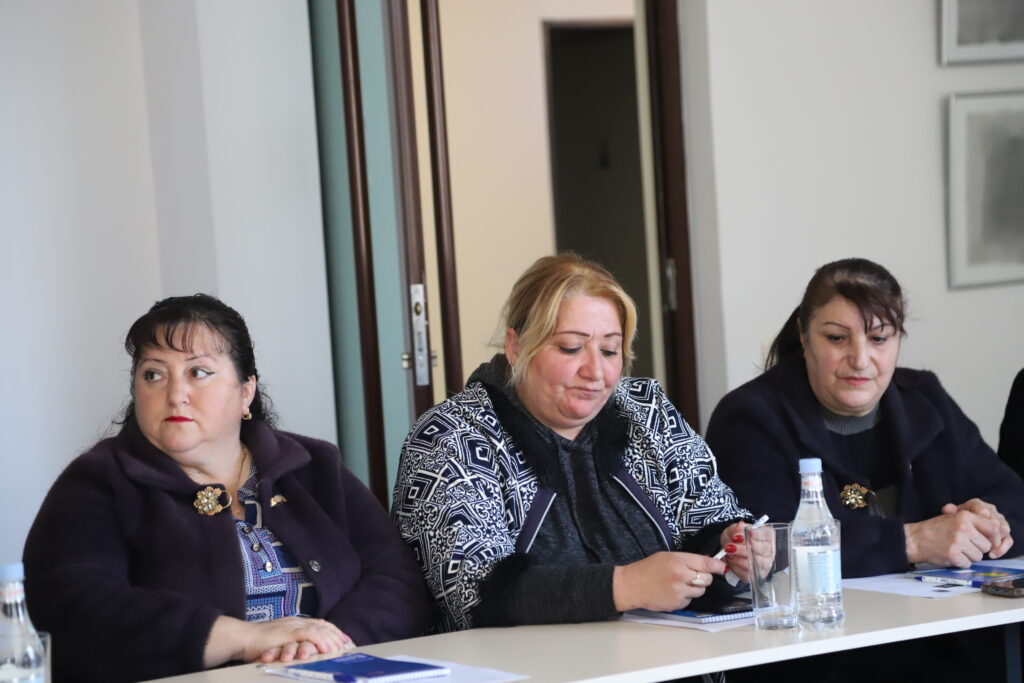
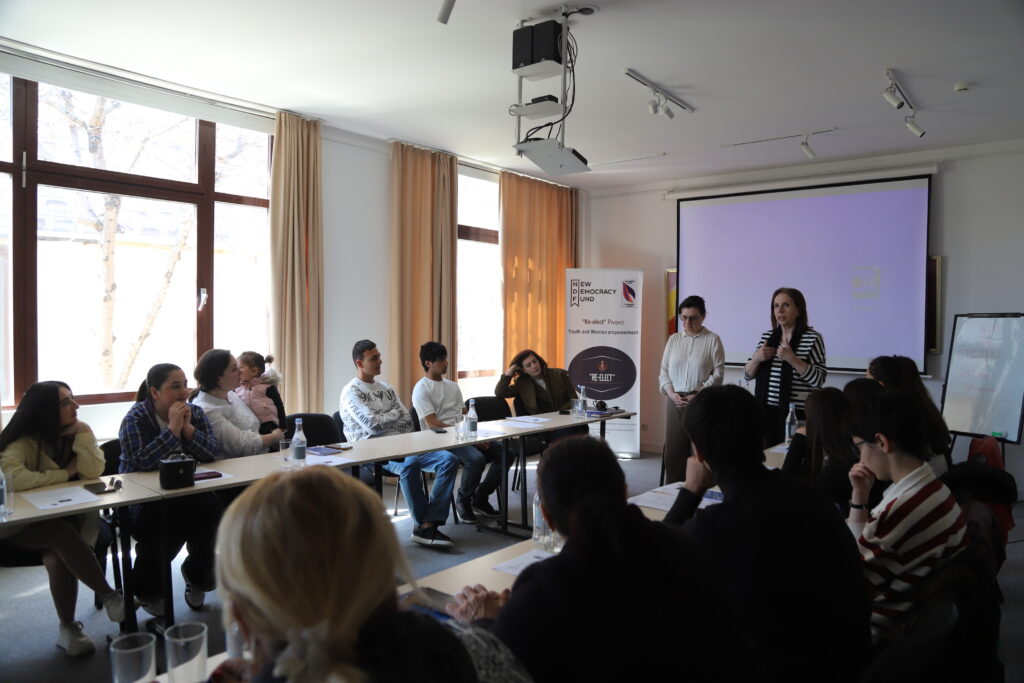
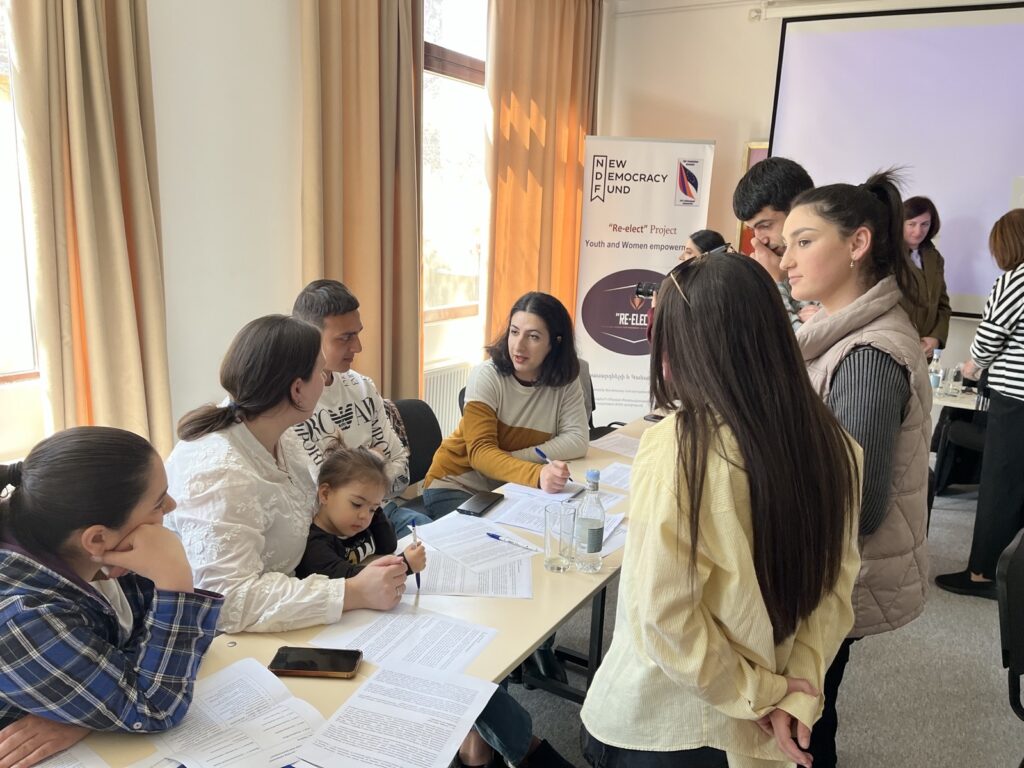
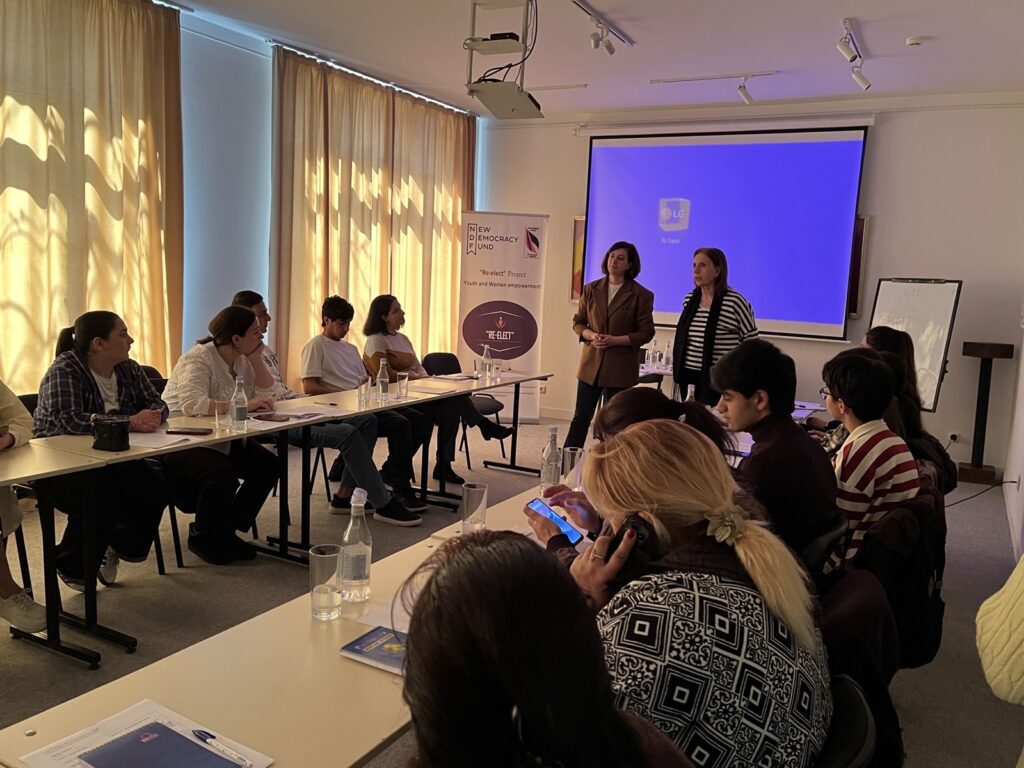
In Strasbourg, from 19 to 21 November 2025, ALDA organised a three-day video production workshop as part of the ‘Youth Social ActErasmus+ project.

The workshop

Hosted by La Maison des Associations in Strasbourg and led by independent video artist and freelance journalist Quentin Domayrou, the training aimed to teach young participants the basics of documentary filmmaking as a tool for spreading the values they hold dear.

The result? Four young participants made a documentary on ethical and sustainable food consumption. The aim was to raise awareness of the importance of taking the time to research and buy local and fresh produce, both for our health and for the health of the planet, despite the fast pace of the world we live in.

To do this, they interviewed both the local residents of Strasbourg who buy products at the street market and COLECOSOL Grand Est, the Strasbourg-based association that works to promote fair trade, responsible consumption and the solidarity economy in the Grand Est region. 

The documentary will be available in 2026 on ALDA’s YouTube channel

Search for participants

The video production workshop was one of the activities of the Erasmus+ project ‘Youth Social Act’, designed to promote alternative forms of civic participation by young people in democratic life. 

To this end, ALDA, which is implementing the project, is looking for young participants (aged 15 to 25) and mentors (aged 25+) to take part in future activities organised in Strasbourg, the free study visit to Greece and the final event in Cyprus

To find out more about the project and to participate, visit this link or contact matilde@alda-europe.eu.


[FR]

À Strasbourg, du 19 au 21 novembre 2025, ALDA a organisé un atelier de réalisation vidéo de trois jours dans le cadre du projet Erasmus+ « Youth Social Act ».

L’atelier

Accueillie par La Maison des Associations de Strasbourg et animée par le vidéoaste et journaliste indépendant Quentin Domayrou, la formation avait pour objectif d’enseigner aux jeunes participants les bases de la réalisation de documentaires comme outil de diffusion des valeurs qui leur tiennent à cœur.

Le résultat ? Quatre jeunes participants ont réalisé un documentaire sur la consommation alimentaire éthique et durable. L’objectif était de sensibiliser à l’importance de consacrer du temps à la recherche et à l’achat de produits locaux et frais, tant pour notre santé que pour celle de la planète, malgré le rythme effréné du monde dans lequel nous vivons.

Pour ce faire, ils se sont impliqués en interviewant à la fois la population locale de Strasbourg qui achète des produits au marché et COLECOSOL Grand Est, l’association strasbourgeoise qui œuvre pour la promotion du commerce équitable, de la consommation responsable et de l’économie solidaire dans la région Grand Est. 

Le documentaire sera disponible en 2026 sur la chaîne youtube de l’ALDA

Recherche de participants

L’atelier de réalisation vidéo était l’une des activités du projet Erasmus+ « Youth Social Act », né pour promouvoir des formes alternatives de participation civique des jeunes à la vie démocratique. 

À cette fin, l’ALDA, qui met en œuvre le projet, recherche des jeunes participants (âgés de 15 à 25 ans) et des mentors (+25 ans) qui prendront part aux futures activités organisées à Strasbourg, à la visite d’étude gratuite en Grèce et à l’événement final à Chypre
Pour en savoir plus sur le projet et pour participer, consultez ce lien ou contactez matilde@alda-europe.eu.

A meeting between GENESIS experts and the public took place. Friday’s Consortium Meeting brought the partners together to present their latest results. On Saturday, the experts met with the public, and through joint discussion they explored solutions related to climate change, digitalization, and water governance.

The GENESIS project brought together its partners across the Canary Islands and opened a space for dialogue with the public. Meeting face-to-face helps facilitate discussions on topics closely connected to GENESIS, such as climate change, digitalization, and water governance.

The Citizen Forum took place on the island of La Palma, in the town of Los Llanos de Aridane, from Friday, 28 November, to Saturday, 29 November 2025. The event gathered around 60 participants, including experts and members of the public, who explored solutions for water management across Macaronesia.

The meeting began on Friday morning with a Consortium Meeting, where partners presented the progress achieved so far within the GENESIS project and shared new approaches and solutions. The first half of the day was led by Iván Hernández (AIM), followed by a coffee break with light refreshments before the presentations continued. A joint lunch at three o’clock formally concluded the Consortium Meeting. In the afternoon, partners worked together to rehearse and prepare for the public event scheduled for Saturday.

Saturday’s Citizen Forum opened at nine in the morning with participant registration and coffee. The forum was introduced by Gara Sentís and Alba Perera (Lawarita S.Coop.Can.), followed by presentations from Alejandro García (IGME-CSIC) on “Cómo predecir el futuro del agua en La Palma y Macaronesia” and from Iván Hernández (AIM) on “Soluciones resilientes en acción: demostradores para el futuro del agua en La Palma.” Afterwards, the organisation briefly introduced the structure of the working groups for the afternoon sessions, followed by a short break.

The afternoon focused on collaboration and collective problem-solving: improving water availability and resilience to drought, strengthening water infrastructure, integrating digital technologies to reduce losses across the water cycle, and ensuring public involvement through reliable information and transparent decision-making. The collaborative workshop concluded with a plenary session where the groups shared their main ideas and recommendations. Among the key points highlighted was the need for strong cooperation between institutions and citizens when addressing water-related challenges.

To close the event, participants were invited to fill in a questionnaire and share additional ideas on how the GENESIS project could further contribute to improving water management in the region.

In 2025, ALDA achieved significant progress in implementing the INSPIRED Moldova project, funded by the European Union, contributing to strengthening the role of civil society in promoting civic education, democratic processes, and youth participation.

One of the most important achievements of the year was the completion of the projects implemented by the first eight sub-granted organisations, each bringing valuable contributions to stimulating civic engagement at both local and national levels. These initiatives provided young people with practical learning opportunities, encouraged informed participation in electoral processes, and promoted a strong democratic culture, reaching—through both online and offline activities—an impact of over 800,000 people across the country.

The activities of the partner organisations generated a true civic movement among young people nationwide. CSO PERSPECTIVA, CSO DO IT, and CSO STUDEM worked directly with young people who were about to vote for the first time, explaining what electoral integrity means, the principles of democracy, and essential media literacy skills for informed participation. Through interactive dialogues and practical sessions, young people learned how to identify potential attempts at electoral fraud and understand the importance of a transparent democratic process. Inspired by these experiences, many of them launched their own online campaigns dedicated to elections, civic responsibility, and combating disinformation, thus contributing to a wave of active engagement during the 2025 elections.

At the university level, the CSO Moldovan Students’ Alliance energised campuses with mock elections and surveys designed to clarify the needs and challenges faced by young people in the electoral process. Their work resulted in a civic engagement methodology so relevant that it was later adopted by the National Youth Agency for analyzing youth electoral participation.

Creative interaction with democratic themes was brought to the forefront by CSO ADER, which combined election simulations with social theatre and public debates. Young people documented their experiences in videos and testimonials, later shared within their communities and through local media.

Through trainings dedicated to civic engagement, CSO DEZVOLTARE PRIN IMPLICARE successfully transformed participants into multipliers of democratic information. They launched local campaigns and produced online content encouraging civic involvement in their communities.

Working with information and digital media was further strengthened by CSO MilleniuM, which taught young people how social media algorithms actually work and how to avoid disinformation traps. The result: educational videos and youth-led discussions, especially during election periods.

Meanwhile, CSO LEX XXI brought a cultural perspective to this collective effort, creating impactful short films and articles focusing on voting, engagement, and identity.

Through activities such as election simulations, public debates, workshops, hackathons, and online and offline campaigns, the projects encouraged responsible and active youth participation in democratic life. They contributed to strengthening local decision-making processes and increasing awareness of democratic rights and responsibilities.

In 2025, youth voter turnout recorded a remarkable increase at the national level. According to data from electoral authorities, the turnout rate among young people aged 18 to 29 increased by approximately 18% compared to the previous election. This positive development reflects the growing interest of young people in democratic processes, as well as the direct or indirect impact of the activities carried out under the INSPIRED Moldova project.

Funded by the European Union, the INSPIRED Moldova project is implemented by a distinguished consortium, including the European Partnership for Democracy (EPD), ALDA, the National Center for Assistance and Information of NGOs in Moldova CONTACT, the Center for Policy and Reform (CPR Moldova), Democracy Reporting International (DRI), and People in Need (PIN). As these activities unfold, INSPIRED Moldova continues to drive meaningful change, ensuring that young people remain at the forefront of shaping the country’s democratic future.