[Article in Italian]

Santa Croce del Sannio (Benevento), 22 marzo 2026 – Una mattinata di teatro e approfondimenti ha animato il borgo sannita in occasione della Giornata Mondiale dell’Acqua 2026, quest’anno dedicata al legame tra accesso alle risorse idriche e disuguaglianze di genere.

L’iniziativa “Giornata Mondiale dell’Acqua 2026: prospettive di genere dal Sannio”, promossa da Paese dell’Acqua APS in collaborazione con ALDA Italia APS, ha richiamato istituzioni, arte, cittadinanza, esperte ed esperti in un confronto che ha intrecciato dimensione locale e scenari globali.

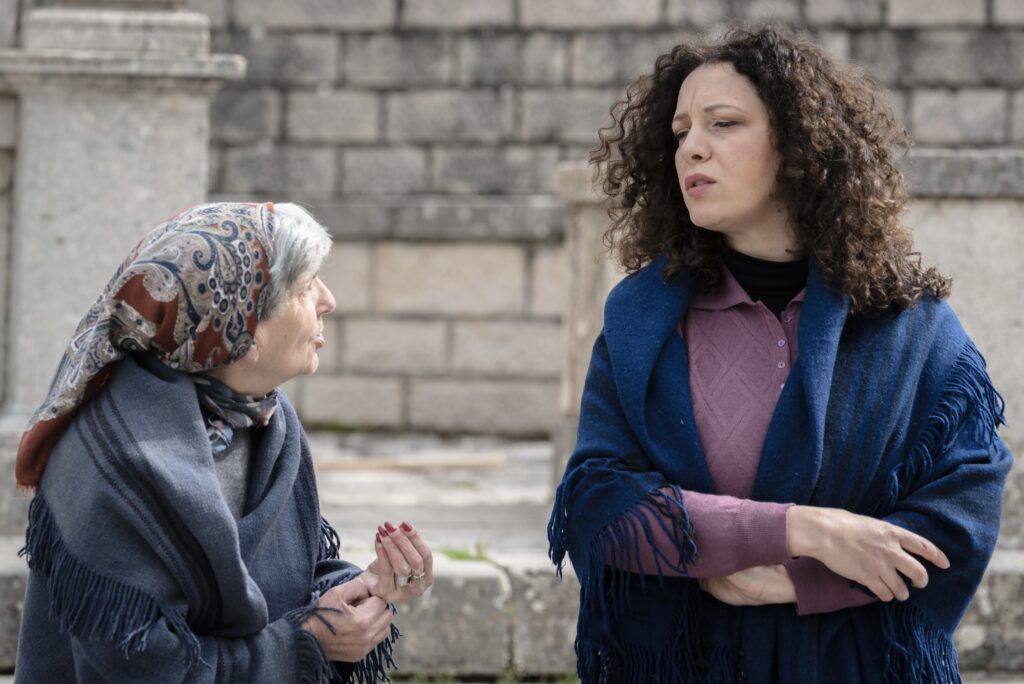
La giornata è iniziata con la rappresentazione teatrale “Alla fontana. Piccola commedia d’acqua e di paese”, messa in scena presso la Fontana monumentale di Piazza Mercato dall’Associazione Giuseppe Maria Galanti APS. Un momento evocativo, capace di restituire il valore storico e sociale della raccolta dell’acqua, un tempo occasione privilegiata di incontro tra le donne.
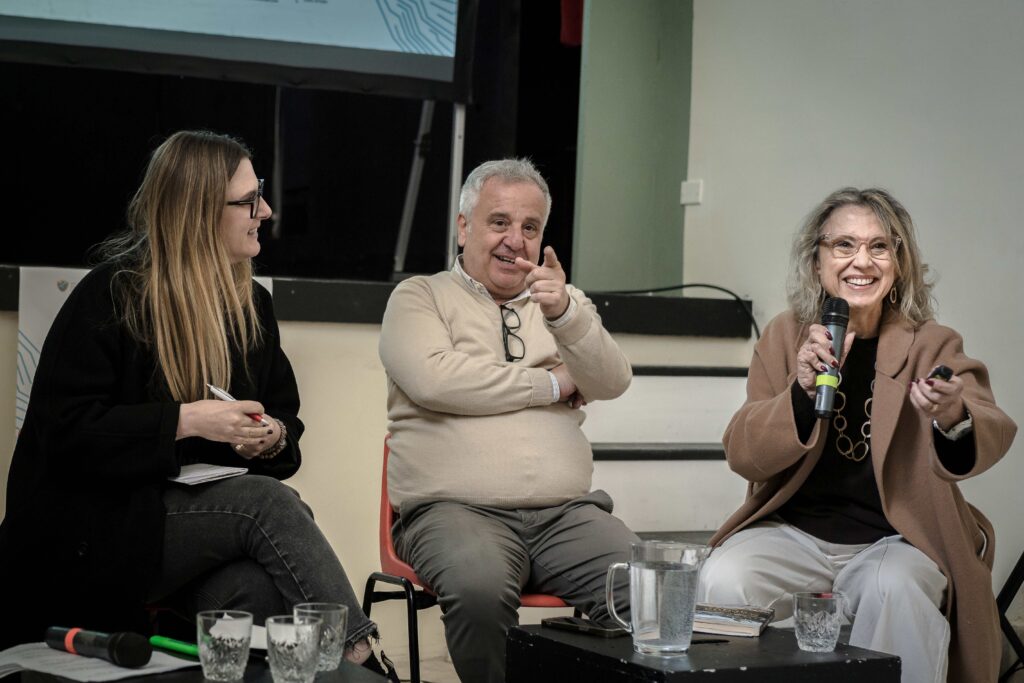
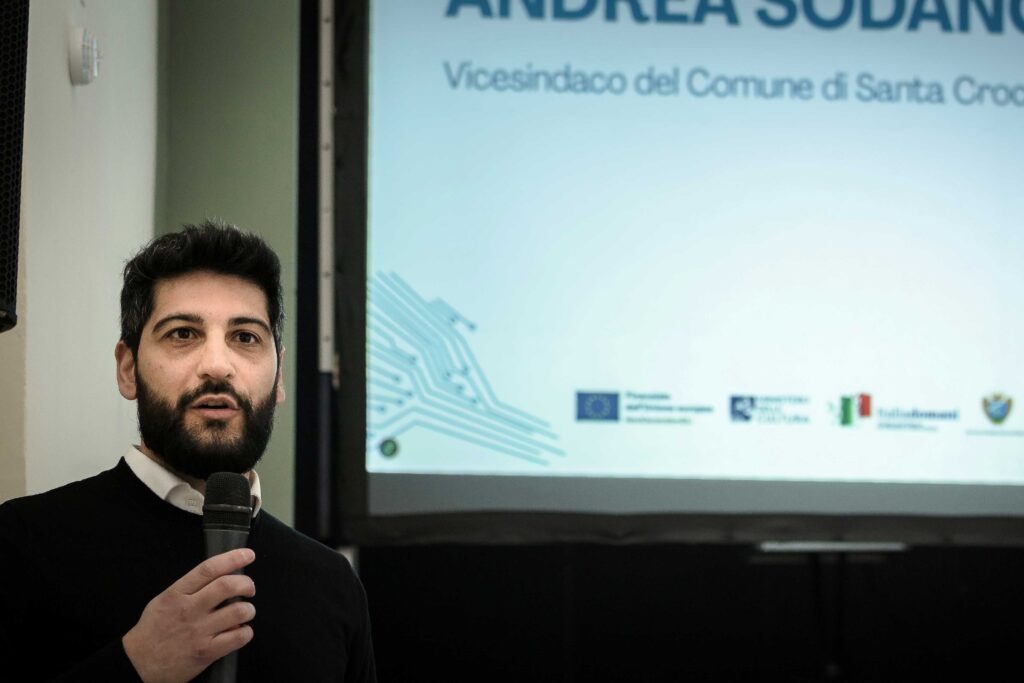
A seguire, il Teatro Don Angelo Zeoli ha ospitato il convegno pubblico moderato dalla giornalista di LabTv Maresa Calzone. Dopo i saluti istituzionali del vicesindaco Andrea Sodano, il convegno ha preso il via con una serie di interventi che hanno approfondito il rapporto tra acqua e genere.

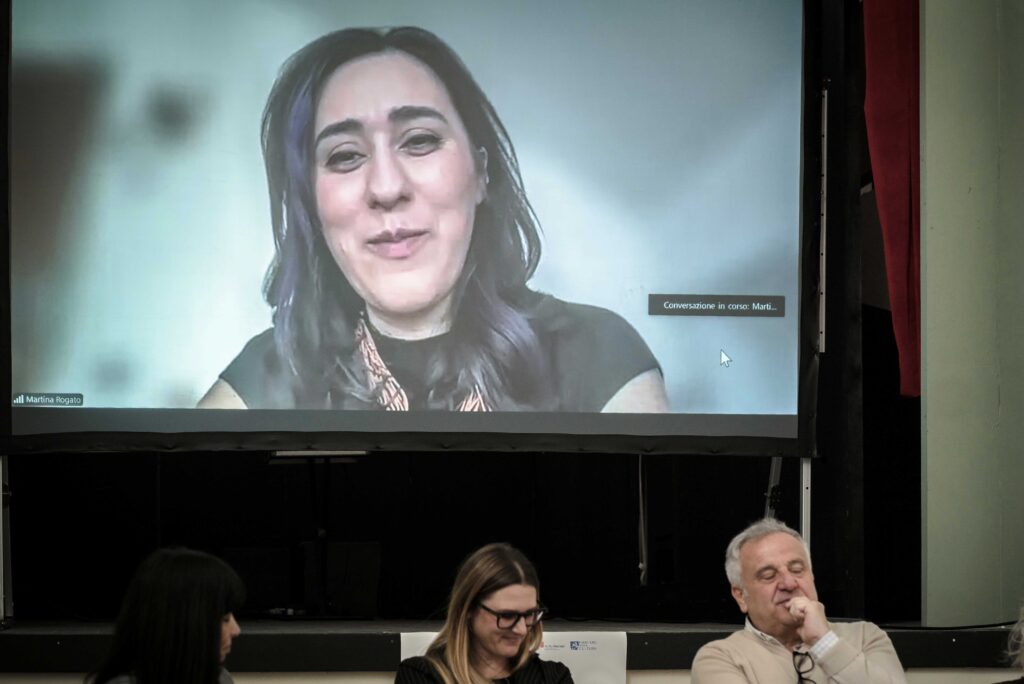
Georgia Tramacere, deputata al Parlamento europeo, ha offerto una lettura europea del tema, arricchita da esperienze concrete maturate a livello locale durante il suo incarico da vicesindaca ad Aradeo, nel Leccese. A seguire, Martina Rogato, consulente in sostenibilità e parità di genere, ha sottolineato come a livello globale le crisi idriche gravino soprattutto su donne e ragazze, impegnate nella raccolta dell’acqua, con ripercussioni su tempo, sicurezza e istruzione.
Di grande rilievo anche l’intervento di Libera Esposito, professoressa associata di geologia applicata all’Università degli Studi del Sannio, che ha proposto una lettura storica del rapporto tra donne e acqua, dalle leggende antiche alle scienziate e leader moderne. Carmine Finelli, vicepresidente dell’Associazione Paese dell’Acqua APS, ha poi spiegato come il diritto all’accesso all’acqua e ai servizi igienico-sanitari sia sancito a livello internazionale e risulti fondamentale per la parità di genere.
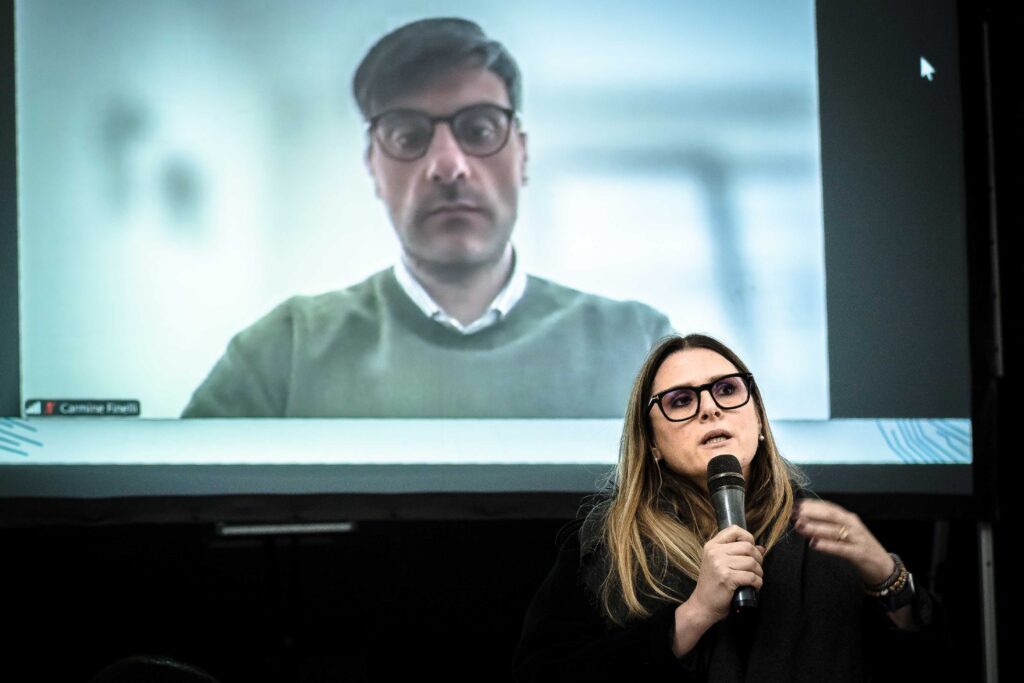
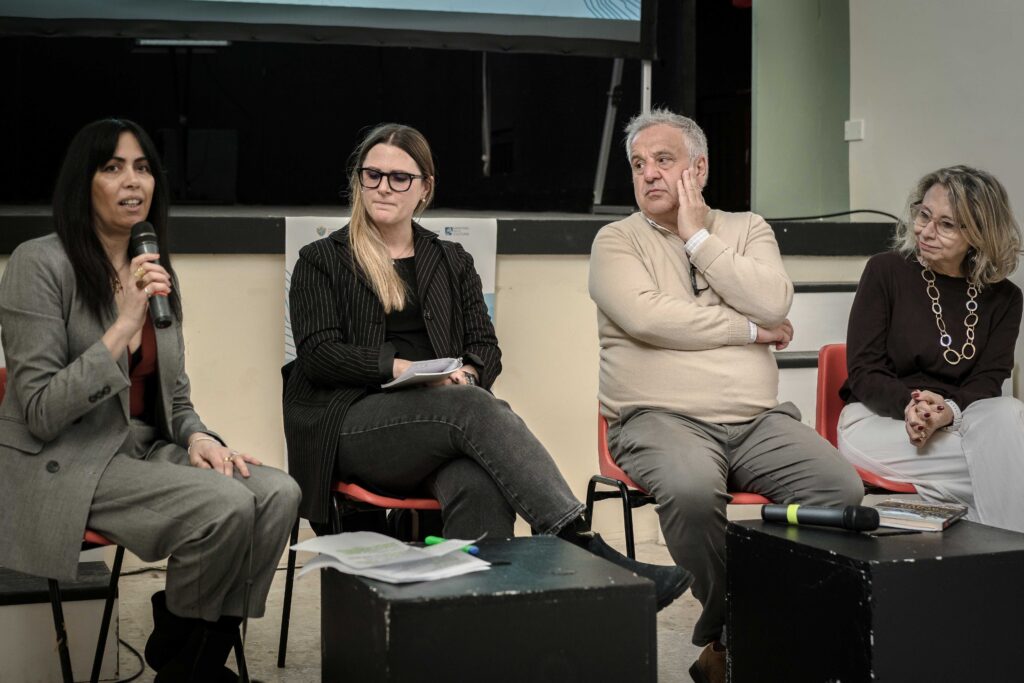
Momento significativo della giornata è stato l’annuncio ufficiale della prossima apertura del Centro di interpretazione delle acque dell’Alto Tammaro. Situato presso Palazzo Vitelli a Santa Croce del Sannio, il centro mira a valorizzare il patrimonio idrico del territorio, inserendosi nel più ampio progetto “Tracce”.

L’evento rientra nell’ambito del Progetto locale di rigenerazione culturale e sociale “Tracce” promosso dal Comune di Santa Croce del Sannio e dal Comune di Circello finanziato con la Misura PNRR M1C3 – Intervento 2.1 – Attrattività dei borghi storici. Un’iniziativa che conferma come anche piccoli centri come Santa Croce del Sannio possano inserirsi nel dibattito internazionale su risorse idriche e giustizia di genere.

🔗 Registrazione del webinar disponibile a questo link !
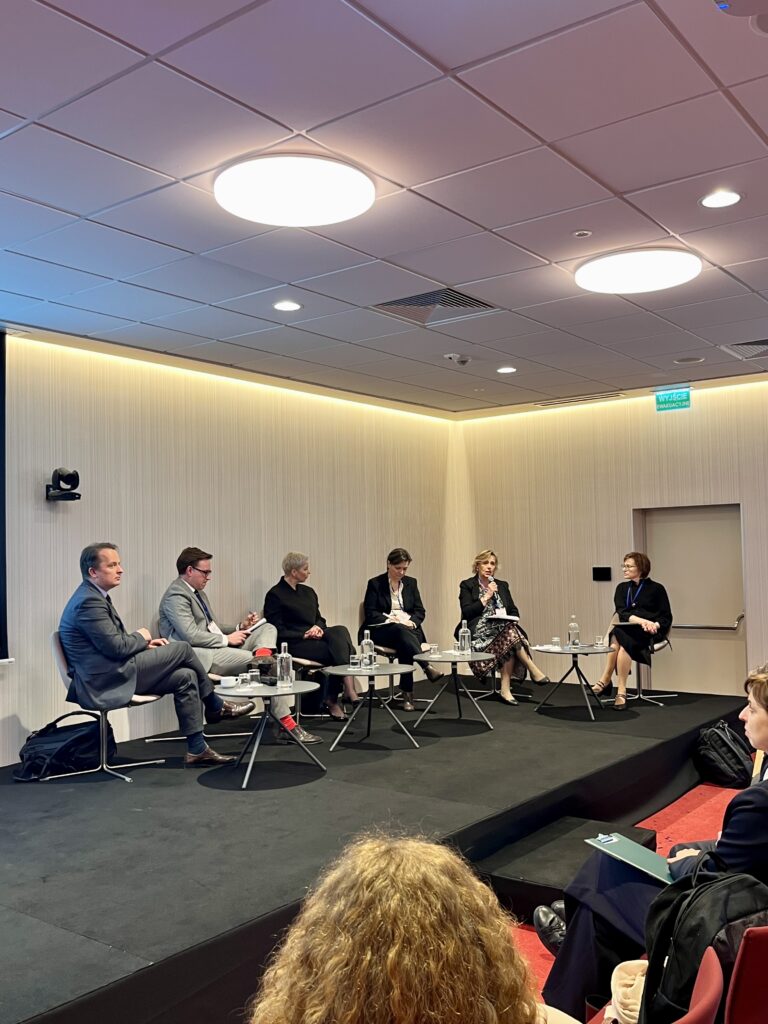
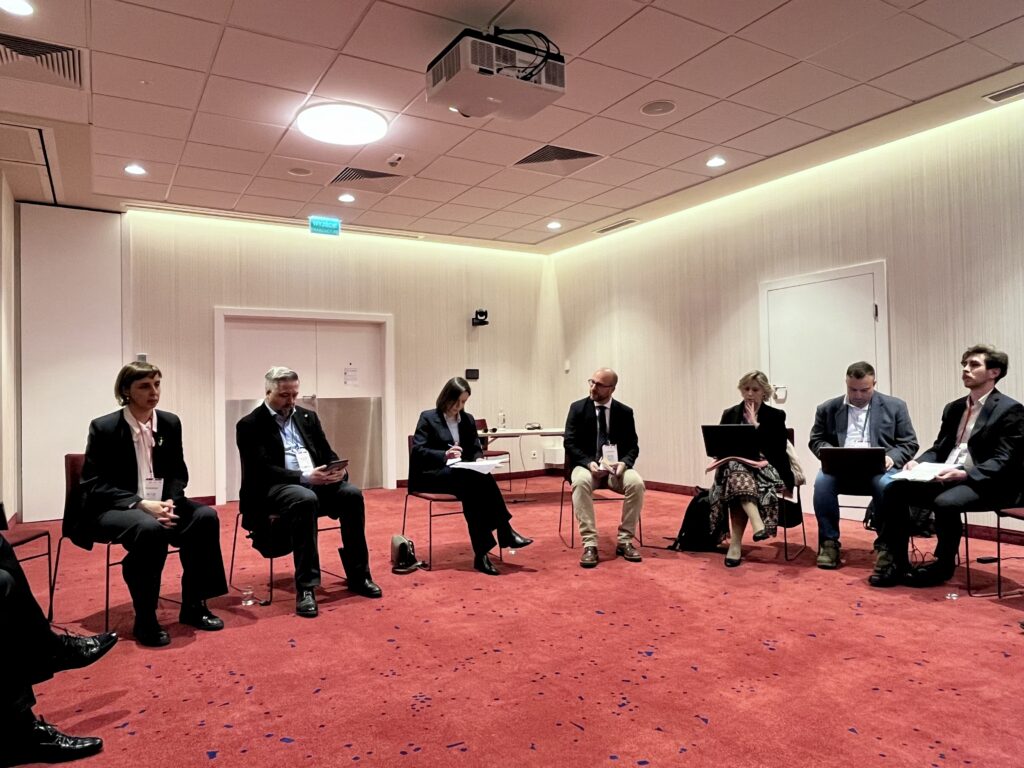
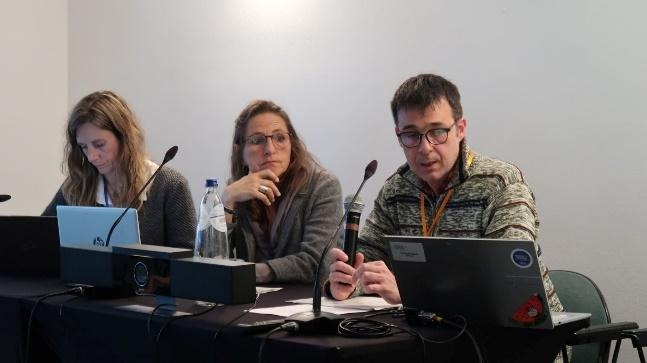
From September 2025 to March 2026, the project “Towards a Local Democracy Agency (LDA) Belarus in Exile” advanced a structured, multi-sited consultation process across Wrocław, Vilnius, and Kraków, culminating in Warsaw at the Strategic Foresight Conference for Belarus on 27–28 March. Co-organised within the framework of the Beehive Consortium, the conference marked a key moment in rethinking Belarus’s democratic trajectory in a context of prolonged political crisis, regional insecurity, and sustained civic displacement.

The two-day conference led by the Belarus Beehive 2.0 programme (funded by the European Commission) in cooperation with ALDA (supported by the German Marshall Fund), provided a high-level platform for Belarusian and international experts, policymakers, and civil society leaders to explore long-term scenarios for democratic transformation.


Exile as a structural reality, not a temporary condition


In the policy dialogue panel “Belarus in Transition: Civic Resilience, Integration, and Local Democracy – Challenges & Perspectives”, the Secretary General of ALDA stressed a fundamental shift in approach:

“Belarusian exile can no longer be treated as a temporary emergency, but as a structural reality requiring long-term democratic investment!”

Building on field consultations with Belarusian communities in Poland and Lithuania, the intervention underscored a clear message emerging from the project: the transition from emergency support to sustainable democratic infrastructure is now imperative.

European institutions already provide significant instruments to support civil society, including funding schemes and mobility mechanisms, however, the discussion highlighted a persistent gap – the local translation of these tools into accessible, participatory mechanisms at municipal level.

In this context, ALDA’s Local Democracy Agency model was presented as a practical bridge between institutions, municipalities, and civic actors. By connecting diaspora and exiled Belarusian communities with local authorities and transforming funding into participatory governance processes, LDAs aim to move beyond assistance frameworks towards active democratic co-production.

Working group: local governance in practice

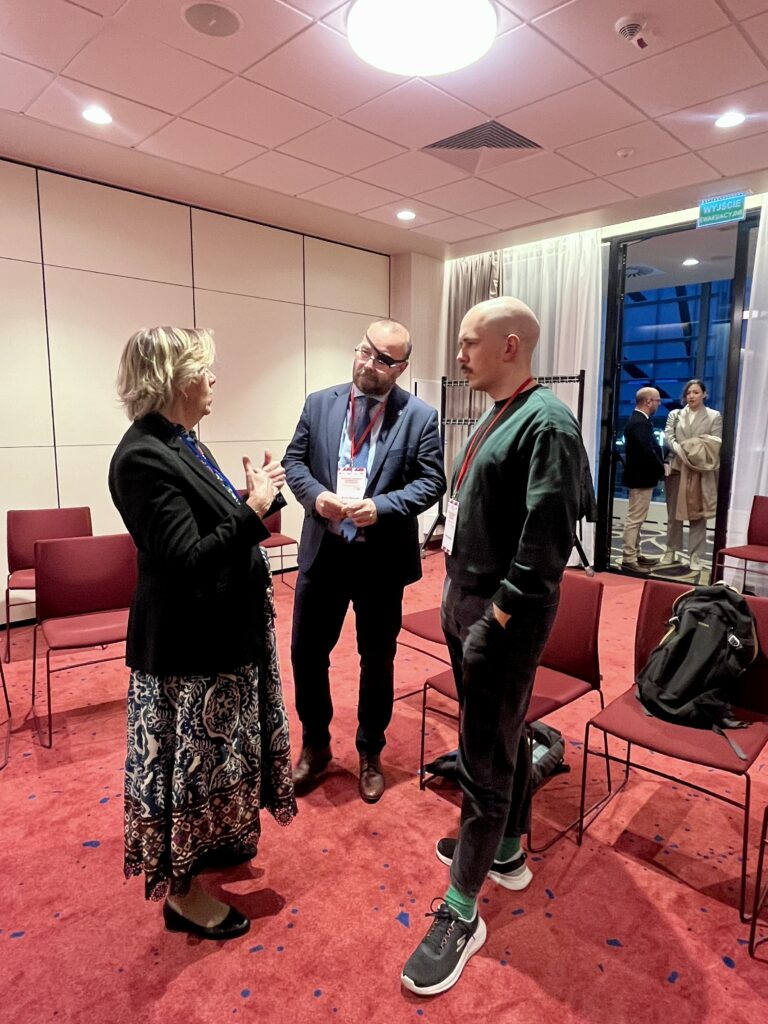
The conference also included a dedicated working group addressing practical dimensions of participation and governance. In Working Group 1 on Sub-national Governance & Exile Engagement organised by ALDA, Belarusian participants engaged directly with municipal representatives from Gdańsk, Wrocław, and Kraków, as well as with the Congress of Local and Regional Authorities of the Council of Europe. 

Polish local authorities expressed readiness to further develop engagement mechanisms with Belarusian communities, particularly in areas of civic participation and local integration frameworks. The exchange reinforced the importance of municipal-level cooperation as a cornerstone of effective inclusion policies.

Integration, participation, and the limits of current systems

Findings from six months of consultations with Belarusian communities under the “Towards a Local Democracy Agency (LDA) Belarus in Exile” project revealed a persistent structural gap between a strong willingness to integrate and institutional readiness to include.

Three key barriers were identified:

  • administrative instability limiting long-term access to housing, banking, and planning;
  • underutilisation of skills due to unresolved diploma recognition issues;
  • information gaps regarding access to local participation mechanisms.

Beyond these structural issues, the consultations also highlighted growing risks of social isolation, emotional fatigue, and fragmented support structures within exile communities.

Drawing on ALDA’s experience coordinating a network of 19 Local Democracy Agencies, the only conclusion we can draw is that integration without participation is not sustainable.

Two priority pathways were identified to address this gap. First, the need for co-creation mechanisms between municipalities and Belarusian civil society actors in designing integration policies. Second, the establishment of structured civic spaces capable of enabling sustained participation in local governance processes.

The proposed Local Democracy Agency Belarus in Exile was presented during the Warsaw event as such a platform, serving simultaneously as a coordination mechanism, a capacity-building instrument, and a bridge towards future democratic governance in Belarus. As emphasised in the discussion, Belarusian communities in exile represent not only a group requiring support, but a strategic civic resource. Investing in their capacities is an investment in both the future democratic Belarus and the broader resilience of European democratic systems.

Building on the findings of the project “Towards a Local Democracy Agency Belarus in Exile”, which served as a preparatory phase for the establishment of the LDA Belarus in Exile initiative, ALDA will continue to work closely with interested Belarusian, Polish, and other international partners to advance the initiative and strengthen democratic practice for Belarusians at the local level.

The proposed Local Democracy Agency Belarus in Exile seeks to respond to this need by transforming fragmented initiatives into coordinated action, and by reframing exile from a condition of isolation into a space of preparation for democratic renewal.

In this sense, the Warsaw Strategic Foresight Conference for Belarus marked not only a moment of reflection, but also a step towards the gradual institutionalisation of a new model of engagement – one in which local democracy is both a lived practice in the present and a strategic horizon for a future democratic Belarus.

AT A GLANCE

FAIR GAME tackles women’s disengagement in sports by building a network of local authorities and associations to promote gender equality and access to sports. It addresses barriers like stereotypes, social norms, limited infrastructure, and unequal domestic work. Partners engage communities, provide training on gender mainstreaming, exchange best practices, and test pilot actions to boost female participation. Policy co-design with local stakeholders ensures long-term impact and lasting change.

See the project social media account here.

OBJECTIVES

  • Create a European network of municipalities and civil society organisations to improve women’s and girls’ access to sport through:
  • Gender mainstreaming
  • Participatory governance
  • Inclusive sport policies

RELATED NEWS

On 26 March 2026, the University of Granada hosted the final conference of the HATEDEMICS project, with more than 100 delegates from all over Europe attending. They included NGO employees, fact-checkers, researchers, public officials, and young activists – people who deal with hate speech and disinformation on a daily basis on different levels and contexts, and they all brought the same questions and motivations.

The event officially marked the end of two years of EU-funded work carried out in six Member States of the EU – Italy, France, Poland, Malta, Spain, and Estonia. Two years of building structured frameworks to detect and analyse harmful content, developing AI-based tools to assess hate speech and disinformation risks, crafting human-validated counter-narratives, and designing training resources grounded in EU values – all of it tested in real contexts and with real communities. 

Yet, for those in the room, “end” was perhaps the last word that came to mind. Online hate speech and disinformation are not abstract policy issues. On the contrary, they determine the results of elections, silence minorities, and radicalise young people, and they’re getting worse: AI-generated content is spreading faster than ever before, while fact-checking capabilities are diminishing in an online world in which two-thirds of the global population is now connected, two opposite trends evolving simultaneously. 


HATEDEMICS has always been about getting tools and frameworks into the right hands, not just creating them


The programme moved between reflection, success stories, and hands-on experience. The day started with a keynote from the Council of Europe, followed by two panel discussions that brought the kind of honesty that rarely makes it into official reports – the first on how the Hatedemics journey went from research to action, the second one on how to build a safer digital public sphere. Participants then heard the presentation of the HATEDEMICS Platform, a tool suite that brings together the expertise of all project partners, followed by the impact stories shared by practitioners from across the consortium.

The afternoon took on a different energy, turning the day into an interactive and participatory workshop where people worked with the tools directly and thought collectively about how to adapt them to their own realities. After a presentation of the Educational Toolkit and its contents, the platform was then tested by the participants. The workshop was designed for both students and experts, so that it could reach and train a wider audience. But the most important moments were the ones in between – the side conversations, the practitioners from different countries realising they were facing the same challenges, the young activists who came in skeptical and left with something they could actually use. 

HATEDEMICS has always been about getting tools and frameworks into the right hands, not just creating them and the handover took place during the conference. This project ended, but not the fight against hate speech and disinformation.

If you want to know more about all the work carried out, check out the project website, or follow us on social media!

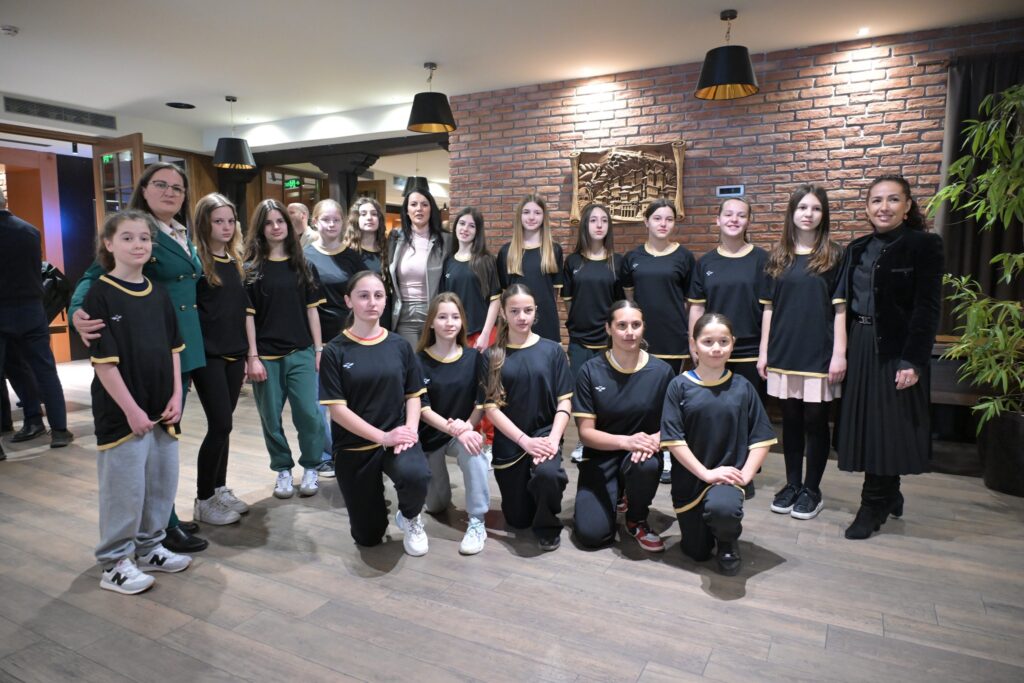
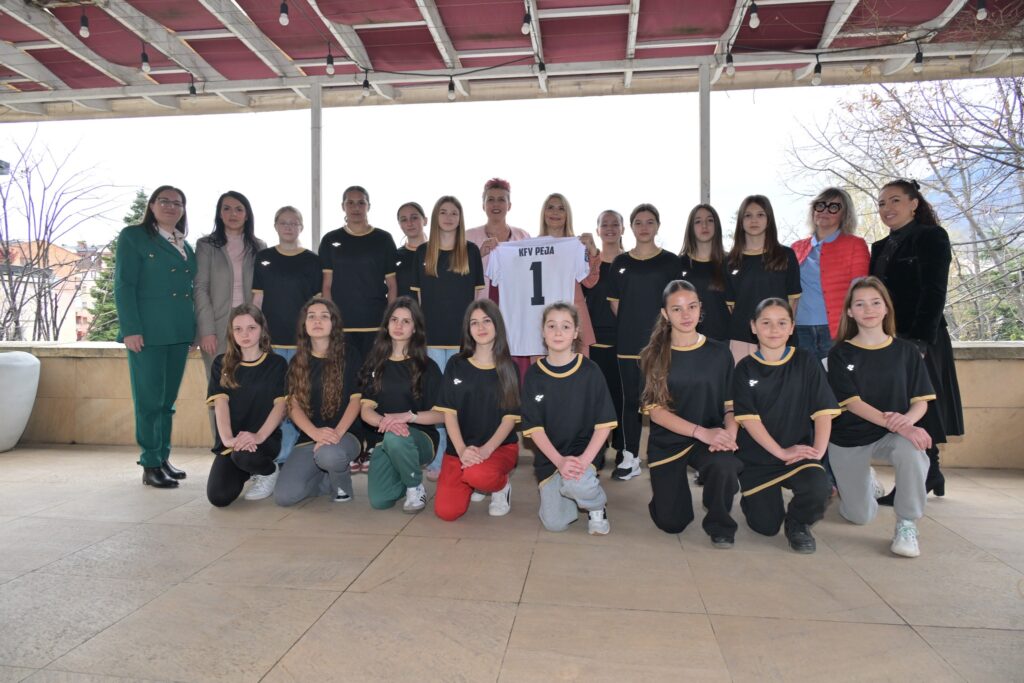
Peja, Kosovo* – 25 March 2026. The city of Peja hosted the international conference of the EU-funded project #FairGame: Gender-equal Access to Movement and Exercise. Organised by the Municipality of Peja and LDA Kosovo, the event brought together local authorities, European partners, and sports professionals to address one of the most pressing challenges in sport today: women’s participation and equality.

Opening the conference, Xhenet Syka, Director of Culture, Youth and Sport at the Municipality of Peja, welcomed participants and outlined the objectives of the #FairGame project, focusing on removing barriers to women’s participation in sport while fostering European cooperation.

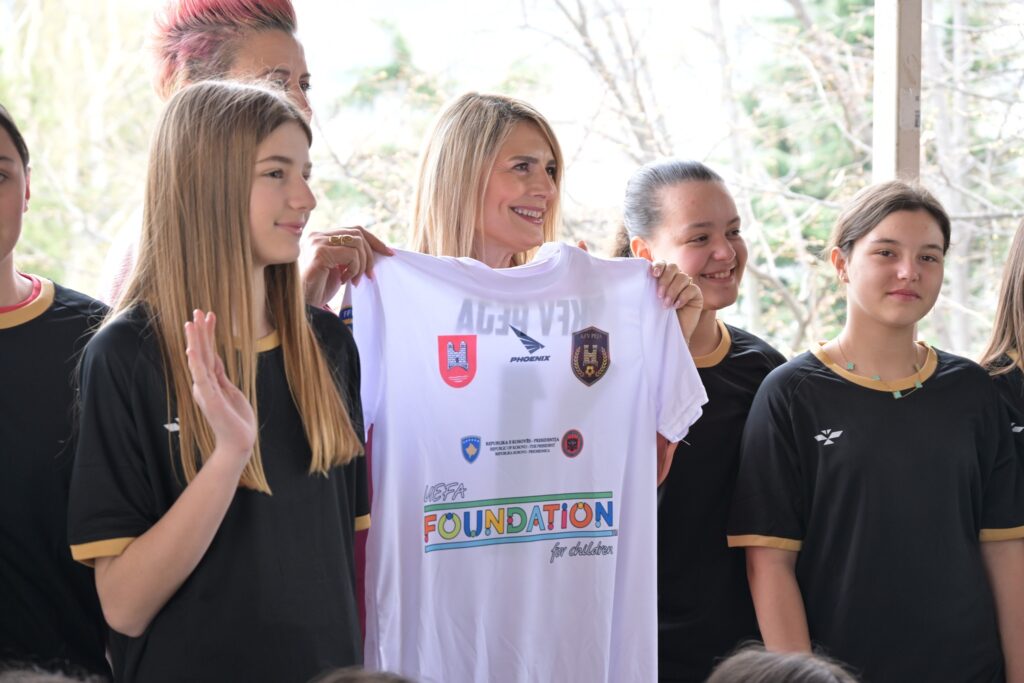
The first panel, “Local Challenges & Barriers to Women’s Participation in Sport”, highlighted cultural, social, and structural obstacles faced by women in Kosovo and beyond. Speakers included Ardita Bala, Executive Director of the Women Wellness Center / Safe House; Armenda Filipaj, founder of Women’s Football Club Prishtina, who presented the establishment of Peja’s first women’s football team; and Erina Berisha, a Kosovan basketball player. The discussion emphasised the role of local institutions and encouraged an interactive exchange with participants. It also marked the official announcement of the creation of the first women’s football club in Peja.

The second panel, “European Perspectives on Gender Equality in Sport: Policies, Practices and Cooperation”, broadened the discussion to the European level. Maurizio Camin, member of ALDA’s Governing Board, stressed that European values must evolve from coexistence to co-creation, highlighting resilience and community-building as key elements.

“It is time to change the modalities of co-existence… We need to rediscover the feminine point of view… In order to change the paradigm, we need to start from schools and include gender in education from a young age.”

Katica Janeva, Director of ALDA Balkans, emphasised the importance of dialogue and mutual learning:

“Openness and dialogue are essential. Projects supported through broader programmes create valuable opportunities to exchange practices, understand progress, and move forward together.”

Roberto Sani, City Councillor at the Municipality of Trento, underlined that the persistence of the gender gap in 2026 remains unacceptable, calling for stronger inspiration from younger generations.

The panel explored EU priorities under the CERV Programme, shared best practices from across Europe, and reinforced the importance of cross-border cooperation in advancing gender equality in sport.

In the afternoon, participants visited the National Judo Centre in Peja, celebrating the legacy of Olympic champion Majlinda Kelmendi. Her achievements continue to inspire women and girls in sport. Participants met with athletes and technical staff, gaining insight into how role models can reshape perceptions and create new opportunities.

By bringing together local and European perspectives, Peja positioned itself as a platform for dialogue on gender equality in sport. The conference combined policy discussion with cultural exchange, reinforcing the idea that sport is not only about competition but also about inclusion, inspiration, and shared values.

This event was organised within the framework of the project #FairGame: Gender-equal Access to Movement and Exercise.

On March 27, ALDA Winter School 2026 took place at Hotel Trettenero in Recoaro Terme, bringing together local administrators, legal experts, civil society activists, and water management professionals for an afternoon of free, open training on one of the most pressing challenges of our time: water as a common good.

Under the title “Acqua come bene comune: democrazia locale e partecipazione dei cittadini per la tutela delle risorse idriche”, the event explored how local communities can move from environmental awareness to concrete collective action in the governance of water resources. The session was held under the patronage of the Comune di Recoaro Terme, the Provincia di Vicenza, and the Unione Montana Pasubio Piccole Dolomiti.

From awareness to action: a multi-stakeholder dialogue

The heart of the afternoon was the panel “Dalla consapevolezza all’azione: comunità e governance dell’acqua”, which brought together three speakers with complementary perspectives: legal, civic, and operational, creating a rich and grounded dialogue between territories, experts, and local communities.

Claudia Marcolungo, environmental law scholar at the University of Padova, opened the discussion by addressing the legal and institutional framework around water rights. She highlighted the complexity of overlapping regulatory layers – international, national, and European – and the challenges this creates for effective protection. Recognising water as a human right, she argued, requires both legal courage and cultural openness: a right that belongs to people regardless of citizenship or institutional recognition, but one that is still difficult to enforce within formal legal systems. Marcolungo also stressed the structural rigidities that affect environmental governance in Italy, where competences are shared across multiple levels, the state, regions, provinces, municipalities, and technical bodies such as river basin authorities, often leading to fragmentation. When it comes to EU directives, the risk lies not just in transposition gaps, but in losing sight of key principles during implementation. What is needed is clarity, resources, and the political courage to act.

Anna Maria Panarotto, representative of the Mamme NO PFAS movement, brought a very powerful testimony. The movement was born from five mothers determined to understand the contamination of their land by PFAS, highly persistent chemical compounds, and to protect not only their own children, but entire communities. Their story is one of civic persistence: studying the science, keeping public attention alive, and refusing to accept filtered water as a substitute for accountability. Panarotto described the indifference they still encounter as the greatest obstacle, alongside the difficulty of reaching national ministries and industry bodies. Yet she was equally clear about what makes civic engagement meaningful: the willingness to engage in calm, mature, non-violent dialogue: “it happened, and we want it never to happen again”. Participation has a cost, she acknowledged, but so does silence.

Paolo Ronco, Head of Research and Innovation at Viacqua SpA, provided a concrete picture of the water situation in the Vicenza-Veneto area. Despite abundant rainfall, the region is experiencing near-chronic water stress: aquifer levels have dropped significantly over recent decades, soil impermeabilisation prevents groundwater recharge, and the area ranks among the world’s highest per-capita water consumers, particularly in food production. Ronco introduced the Svolta Blu initiative, a governance and financing model designed to mobilise non-public resources for water efficiency through a local credit system that connects producers and buyers of environmental credits at the Vicenza-Veneto scale. The message was clear: public funding alone is insufficient, and new models of shared governance are essential.

The session also featured a presentation by Debora Visentin from Viacqua SpA on the Contratto di Fiume Retrone, a voluntary strategic planning instrument that integrates multiple territorial plans across governance levels. By bringing together institutional actors, technical bodies, and third-sector stakeholders, the River Contract aims to rebuild what was described as a “hydraulic society”, a community that is aware of its water resources and collectively committed to caring for its territory.

Looking ahead: the launch of ALDA Winter School 2027

The closing session of the day marked an exciting moment for ALDA’s training programme: the official launch of the ALDA Winter School 2027. The announcement confirmed the continuation of this formative series dedicated to local democracy and civic participation, a flagship initiative that sits at the intersection of ALDA’s work on green and sustainable territories and its broader mission of promoting active citizenship across Europe.

🔗 Follow ALDA and become a member to know every opportunity!

On 4 March 2026, ALDA, in cooperation with the University of Novi Sad and At Clave, successfully organised the third citizen engagement workshop within the framework of the EU-funded FIC-FIGHTERS project. This initiative aims to improve the management of phosphogypsum (PG) stacks through sustainable waste management practices, promoting circular economy principles across Europe and beyond.

The event, entitled “Voices for Change: Exploring Solutions for the PG Stack in Prahovo”, marked another important step in strengthening participatory approaches and local democracy in environmental governance.

The phosphogypsum stack in Prahovo, Serbia, represents one of the six case studies of the FIC-FIGHTERS project. Located along the banks of the Danube River, Prahovo is a small industrial town characterised by its proximity to a significant industrial complex.

The PG stack, situated near the river, raises several environmental concerns among local residents. These include potential water contamination, pollution of surrounding agricultural land, and airborne dust affecting air quality. Such challenges have a direct impact on both the ecosystem and the daily lives of the community.


The workshop gathered 15 local citizens, creating a safe and inclusive space for dialogue.


Participants were encouraged to share their experiences and perspectives on how the PG stack affects their territory, while also contributing to the co-creation of possible future scenarios.

The workshop demonstrated the essential role of citizen participation in shaping sustainable and inclusive environmental solutions. Through guided discussions and technical insights, participants engaged in a constructive exchange that combined local knowledge with expert input.

Several critical issues emerged during the discussions:

  • Environmental pollution affecting agricultural land, the waters of the Danube River, and air quality due to PG dust
  • Social and economic impacts on the local community and neighbouring areas
  • Insufficient monitoring and control of industrial activities by local authorities
  • Limited transparency and inadequate communication regarding the risks associated with the PG stack

These concerns underline the need for stronger governance mechanisms and improved communication between stakeholders.

Participants expressed a shared vision for a healthier environment and a more sustainable future for their community. Key expectations included:

  • Enhanced citizen involvement in environmental decision-making processes
  • Revitalisation of affected areas through sustainable practices
  • Greater confidence in the potential reuse of phosphogypsum within a circular economy framework

The workshop highlighted a strong willingness among citizens to actively contribute to shaping local solutions.

Participants welcomed the opportunity to engage in meaningful discussions on an issue directly impacting their lives. The high level of awareness and engagement demonstrated the importance of inclusive platforms for dialogue and knowledge exchange.

Looking ahead, the next workshop will take place in Kutina, Croatia, in May 2026, focusing on another phosphogypsum case study. With a comprehensive agenda of activities, the FIC-FIGHTERS project continues to strengthen local democracy and participatory processes.

ALDA remains committed to fostering citizen engagement and supporting communities in addressing environmental challenges through collaborative and sustainable approaches.

The 2026 ALDA General Assembly and Festival will take place on May 12, 13, and 14 in Malta, at MICAS (Malta International Contemporary Art Space), kindly hosted by the Local Councils’ Association.


On the one side, the General Assembly is a central moment in ALDA’s associative life: a key opportunity for democratic deliberation, collective guidance, and the definition of the Association’s strategic priorities.

Held in parallel sessions, the Festival will bring together civil society organisations, local authorities, institutional partners and stakeholders committed to strengthening democratic systems at the local level. The programme spans three days of in-depth sessions and exchanges across the thematic hubs at the heart of ALDA’s work, such as Migration, Environment, and Youth, alongside a Study Visit and the launch of the Centre of Expertise, ALDA’s new platform for building a connected and informed network of stakeholders. The full programme will be available very soon.

Use this link to register for the General Assembly and this link to register for the Festival sessions.

See you in Malta!

AT A GLANCE

EUDEM addresses some of the most pressing challenges facing democracy across the European Union, including democratic backsliding, growing social polarisation, declining trust in institutions, and youth disenchantment with political processes. Across several Member States, civic space is shrinking while citizens increasingly feel disconnected from decision-making mechanisms that directly affect their lives.

The project responds to the need for stronger democratic resilience by creating participatory spaces where citizens, civil society organisations, community leaders, and policymakers can engage in open and structured dialogue. By combining in-situ national events with European-wide online actions, EUDEM bridges local experiences with transnational reflection, fostering mutual learning and cross-border cooperation.

To tackle these challenges, EUDEM develops inclusive participatory methodologies, capacity-building sessions, and innovative digital tools — including an AI-supported survey instrument — to broaden engagement and ensure diverse voices are heard. Through facilitated dialogue, sensemaking processes, and harvest events, the project distils collective insights into practical recommendations, contributing to a more resilient, inclusive, and responsive European democracy.

OBJECTIVES

The primary goal of EUDEM is to strengthen democratic resilience across Europe by fostering inclusive participation, cross-sector collaboration, and structured dialogue between citizens, civil society organisations, and policymakers.

  • Identify and address challenges related to democratic backsliding, social polarisation, declining trust in institutions, and youth disengagement from democratic processes.
  • Create participatory spaces at local and European levels that enable meaningful civic engagement and encourage active citizenship across diverse communities.
  • Develop and implement innovative deliberative methodologies and digital tools, including AI-supported survey instruments, to broaden participation and ensure more inclusive democratic processes.
  • Build capacity among citizens, community leaders, and civil society actors by equipping them with practical skills for participatory democracy and policy engagement.
  • Facilitate transnational exchange and mutual learning among partners to compare democratic contexts, share practices, and co-create forward-looking recommendations for EU democratic governance.
  • Generate evidence-based insights through sensemaking and harvest events, contributing to innovative policymaking and a more resilient and responsive European Union.

On 17 March 2026, Antonella Valmorbida, ALDA Secretary General, participated in the thirtieth anniversary of the establishment of the Executive Secretariat of the Central European Initiative (CEI), held in Trieste (Italy). The event marked a significant milestone, celebrating three decades of regional cooperation among the 17 CEI Member States under the motto “Turning Policy into Action” and highlighting CEI’s sustained commitment to fostering dialogue, cohesion, and stability across Central Europe. 

During the anniversary, ALDA extended its congratulations to CEI, recognising its fundamental role in promoting regional cooperation, stability, and inclusion. The celebration also emphasised the strong alignment between the two organisations in terms of mission, values, and long-term objectives, reflecting a well-established partnership built on mutual trust and a shared vision for a more democratic and cohesive Europe. This collaboration is already visible in concrete joint initiatives, including the upcoming Local Democracy School in Skopje (North Macedonia), which aims to enhance capacity-building and support sustainable local impact.

The event offered an excellent opportunity to strengthen institutional relations. ALDA engaged with several key representatives, including Mrs. Jessica Acquavita, Vice President of the Region of Istria, highlighting the importance of cross-border dialogue and regional partnerships in advancing democratic governance.

Looking ahead, ALDA reaffirmed its commitment to deepening cooperation across Central Europe and promoting shared democratic values. The partnership with CEI continues to demonstrate the value of local-level collaboration in generating sustainable impact, enhancing participation, resilience, and inclusive development. With new initiatives on the horizon, ALDA remains dedicated to advancing joint efforts toward a more cohesive, democratic, and engaged European space.

ALDA warmly congratulates the Central European Initiative on its 30th anniversary and looks forward to many more years of fruitful cooperation and shared achievements.

Between 24 and 26 February 2026, Antonella Valmorbida, Secretary General of ALDA, conducted an institutional mission to Ukraine, reaffirming the organisation’s long-term commitment to strengthening local democracy and supporting the country’s recovery as well as discussing the strategy for 2026. 

Taking place on the fourth anniversary of the brutal full-scale Russian invasion, the mission carried strong symbolic and political significance. It underscored the importance of sustained international engagement and reinforced ALDA’s role as a structured and reliable actor in Ukraine’s democratic resilience. The visit aimed to consolidate existing cooperation frameworks, advance the strategic development of Local Democracy Agencies (LDAs), and ensure coherence and continuity across ongoing and future initiatives.

Throughout the mission, ALDA engaged with institutional representatives and civil society actors to align priorities for 2026 and gather operational insights to inform implementation.


The first day focused on Kyiv’s institutional and civil society landscape. Discussions with U-LEAD with Europe confirmed the continuation of cooperation and explored strategic synergies. A working session with NGOs and international partners further strengthened coordination efforts. Exchanges with representatives from Ternopil highlighted ongoing civil society mobilisation, while discussions regarding Slavutych advanced the structured exploration of a potential LDA. Representatives of MEAN also confirmed their readiness to contribute to LDA Kharkiv and in other cities of Ukraine where they are also operational.

Meetings with the All-Ukrainian Association and the Ukrainian Association of District and Regional Councils (UAROR) expanded reflections on the geographical scope of future LDA development, including eastern regions and potential engagement in other cities (in particular in front regions) and regions. A dedicated exchange with the Independent Civic Network of Press Clubs of Ukraine (Ukrainian Press Club Association) shed light on the challenges faced by local journalists, reaffirming the importance of protecting independent media as a pillar of democratic resilience.

On the second day, institutional dialogue continued in Kyiv. Deputy Minister for Development of Communities and Territories of Ukraine, Oleksii Riabykin, expressed clear interest in supporting ALDA’s initiatives. Meetings with the Italian and French Ambassadors reaffirmed both countries’ structured commitment to Ukraine’s recovery and the interest in working with ALDA and its members. 

Operational discussions with LDA delegates advanced recruitment and training plans, with upcoming capacity-building activities focusing on advocacy, partnership governance and project management. Exchanges with Team4EU identified potential complementarities in areas such as support to internally displaced persons and energy resilience.

The final day was dedicated to Rivne, where ALDA assessed local priorities and the strategic conditions for establishing a new LDA. The Regional Council presented its development focus on social services and key economic sectors, including wood and textiles. The discussions confirmed a strong alignment between local priorities and ALDA’s methodology. Preparatory steps now include the development of an action plan and detailed project fiche for LDA Rivne, alongside structured engagement with European municipalities. 

The mission reaffirmed ALDA’s role as a committed and strategic partner in Ukraine, strengthening structured local engagement and contributing to the country’s democratic resilience and long-term reconstruction through sustained, coordinated and values-based action.

The PACT project officially started in Brussels with a 2-day international conference and workshop

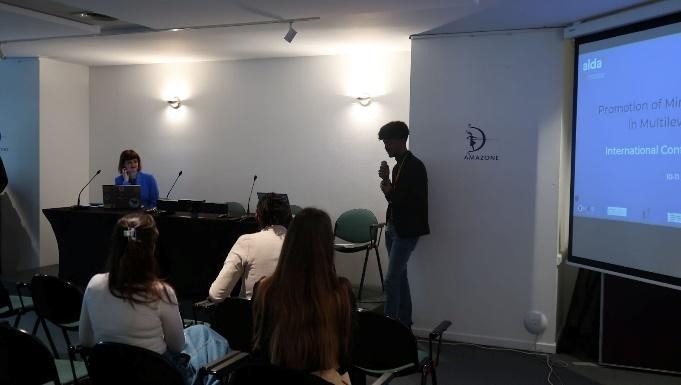
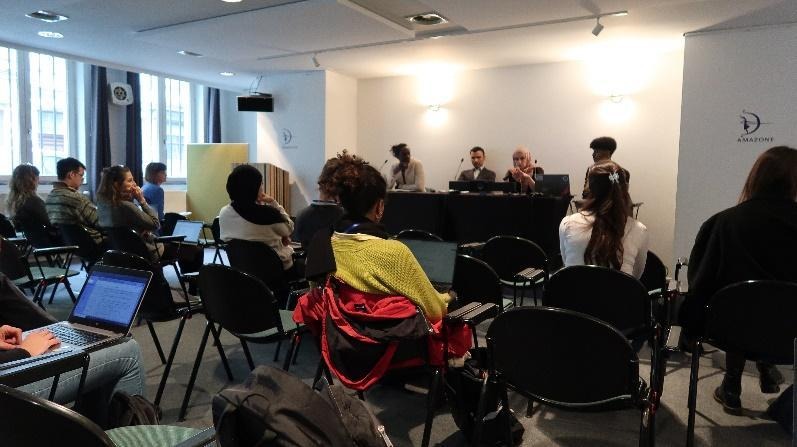
On 10 and 11 March 2026, Brussels hosted an International Conference and Workshop entitled “Promotion of Minorities’ Participation in Multilevel Governance”. 

It brought together experts coming from different realities, with a common goal: sharing good practices on how to promote inclusive participation of under-represented minorities, people with migratory background, refugees, Roma and other marginalised communities in local decision-making processes.

The Conference

The event opened on the morning of Tuesday 10 March with 2 panels.

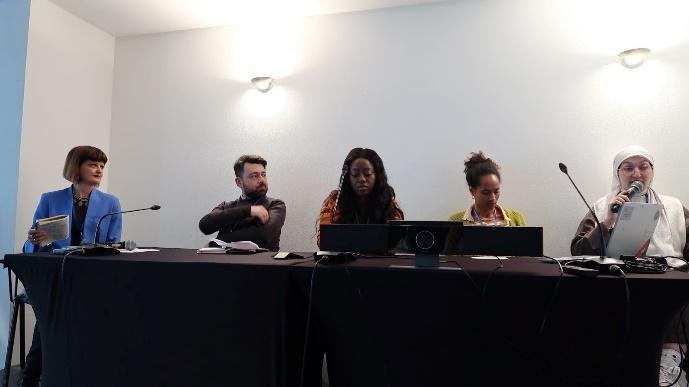
The first one – entitled “Minority Participation in Multilevel Governance: EU perspectives” – was moderated by Mohammed Mustafa (ALDA – European Association for Local Democracy) who introduced the main EU policy developments in the areas of anti-poverty and anti-discrimination, and migration, setting the tune of the conversation with the speakers:

Julie Pascoet (European Network Against Racism – ENAR) focused on the European Anti-Discrimination Strategy,  highlighting how much this tool is necessary (but also how far it is to address the needs of the moment), and how civil society networks  play a crucial role to bridge the gap between EU policy intentions and the lived experiences of marginalised communities.
Fernando Vasco Chironda (European Anti Poverty Network – EAPN) tackled the EU Anti-Poverty Strategy, underlying that – by excluding migrant people from vulnerability frameworks – the strategy risks deepening marginalisation of those most affected, and that local authorities are those with the responsibility to ensure inclusive participation spaces and adequate resources for people.
Mojib Atal (Migration Policy Group – MPG) focused on the Migrant Integration Policy Index, reporting a concerning stagnation in political participation across the EU, and highlighting how multilingual education could serve as a democratic tool by recognising linguistic diversity rather than privileging a single dominant language.

The second panel – “From Welcoming to Active Participation: Challenges, Practices and Power” – was moderated by Maddalena Alberti (ADL Zavidovici) and had the goal to hear from experts who exchanged ideas, perspectives and best practices for the inclusion of underrepresented minorities at a local level. 

Anna Coulibaly (International Catholic Migration Commission – ICMC Europe) introduced the Community Sponsorship, a community‑led integration model where volunteers, supported by civil society and approved by governments, commit to hosting and supporting refugees for at least a year. 
Loubna Reguig (European Forum for Youth with Lived Migration Experience – VOICIFY) urged how self‑led organisations are essential to defend the political participation rights of young people with migrant backgrounds, since they create spaces where youth feel included, exchange knowledge and pool resources. 
Queenie Kessie (IOM Diaspora Advisory Board – DAB) showed how diaspora advisory structures can move beyond consultation and concretely ensure fair policies are good for migrant people and societies. 
Ismail Alkhateeb (PLACE Network) brought the organisation’s extensive experience to show that the inclusion of migrant people in local participatory processes can happen only when institutions and local communities jointly define problems, design solutions and test them at micro‑level.

The Workshops

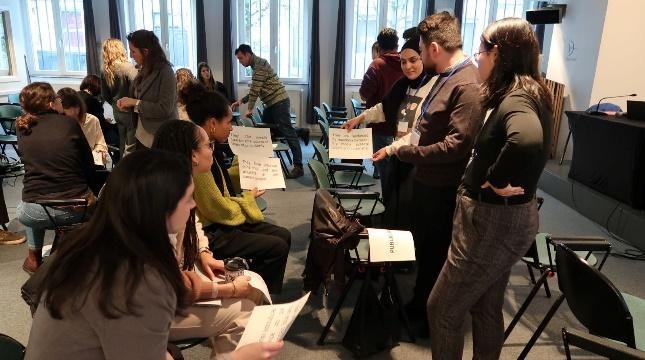
The second part of the event was animated by workshops held by some of the project partner organisations which proposed 4 interactive moments to directly engage participants. 

  • The Greek civil society organisation KMOP-Social Action and Innovation Center led an activity on how to co-design inclusive governance by sharing its experience on the topic and giving participants practical tools to identify barriers that can hinder participation and how to overcome them. 
  • The Spanish non-governmental organisation Fons Català proposed a workshop on social cohesion and citizenship approach by presenting practical cases promoted by local governance. Among them, the case of the city of Mataro (Spain), characterised by a significant cultural diversity, where women are taking the role of ambassadors to involve other women belonging to minorities in the local life and governance. 
  • PLACE Network, French migrant-led organisation, held an activity aimed at reflecting on how to strengthen inclusive participation of people with a migration background through collective learning and co-design. By bringing the concrete example of the Resilient Cities program, it focused on the importance of eliminating hierarchies between migrant and local people. 

The Hungarian organisation Konkáv Alapítvány led a final workshop on inclusive participatory budgeting initiatives that make civic involvement accessible through childcare, simplified information, safe venues and intercultural outreach. 

Conclusion

Hosted by Amazone asbl (Brussels) and co-organised by ALDA (France), ADL Zavidovici (Italy), KMOP (Greece), Center for Intercultural Dialogue (North Macedonia), PLACE Network (France), Fons Català (Spain) and Konkáv Alapítvány (Hungary), the event saw the participation of public authorities, policy makers, organisations, media, underrepresented minorities united by the wish to learn on how working together is possible for a fair and equal European policy system.

In occasione della Giornata Mondiale dell’Acqua 2026, domenica 22 marzo 2026, dalle 10:00 alle 13:30, Santa Croce del Sannio (Benevento) ospiterà un’iniziativa dedicata al rapporto tra accesso all’acqua e disuguaglianze di genere, tema scelto dalle Nazioni Unite per quest’anno. L’evento è organizzato da Paese dell’Acqua APS in collaborazione con ALDA Italia APS.

Alle 10:00 ritrovo alla Fontana monumentale di Piazza Mercato per la rappresentazione teatrale “Alla fontana. Piccola commedia d’acqua e di paese”, organizzata da Giuseppe Maria Galanti APS.

A seguire, alle 10:30, al Teatro Don Angelo Zeoli, in via Portanova, il convegno pubblico moderato dalla giornalista di LabTv Maresa Calzone. Interverranno Georgia Tramacere, deputata al Parlamento europeo, Martina Rogato, consulente in sostenibilità e parità di genere, Libera Esposito, professoressa associata di Geologia applicata all’Università del Sannio, e Carmine Finelli, dottore di ricerca in diritto internazionale e vicepresidente dell’Associazione Paese dell’Acqua APS.

Se a Santa Croce del Sannio l’acqua è un bene comune garantito a tutti, in molte parti del mondo la sua mancanza continua a rappresentare un ostacolo all’autonomia delle persone, in particolare delle donne. L’iniziativa intende richiamare l’attenzione su questo divario e aprire una riflessione sul legame tra gestione delle risorse idriche e parità di genere, a livello locale e globale.

La giornata costituisce, inoltre, l’occasione per annunciare la prossima apertura del “Centro di interpretazione delle acque dell’Alto Tammaro”, presso Palazzo Vitelli a Santa Croce del Sannio. Al termine dell’incontro sarà offerto un aperitivo conviviale.

L’evento si inserisce nell’ambito del Progetto locale di rigenerazione culturale e sociale “Tracce” promosso dal Comune di Santa Croce del Sannio e dal Comune di Circello finanziato con la Misura PNRR M1C3 – Intervento 2.1 – Attrattività dei borghi storici

From 25 February to 2 March 2026, ALDA co-delivered a training course in Cáceres, Spain, as part of the Erasmus+ project RISE (Resilience, Inclusion and Sustainability through Empowerment in Climate Advocacy), aimed at empowering young people to actively engage in climate advocacy.

During the training in Cáceres, participants from all partner countries came together for an intensive learning experience based on non-formal education methodologies. Over the course of several days, they explored key topics such as climate change, migration, conflict, and equality, highlighting the interconnected nature of global challenges.


This session encouraged participants to critically analyse dominant narratives surrounding climate issues and to collaboratively envision alternative, climate-positive futures. Through interactive discussions and group work, participants were invited to question existing perspectives and develop more inclusive and constructive approaches to climate communication.

In addition to thematic sessions, the training included a workshop led by Impro Impar on theatre improvisation. This activity served as a valuable team-building exercise, fostering group cohesion, active listening, and openness to diverse ideas. Participants had the opportunity to strengthen their adaptability and creativity, while reinforcing the importance of collaboration in achieving common goals.

The programme also incorporated an experiential learning component through a guided visit to Monfragüe National Park. Accompanied by an expert guide, participants explored the park’s rich biodiversity, with a particular focus on its renowned bird population. The group also attended the International Fair of Ornithological Tourism, one of the largest events of its kind in Europe, gaining further insights into environmental awareness and sustainable tourism.

Following this in-person training, participants will continue their learning journey through a series of webinars led by experts in environmental advocacy and literacy. These sessions, which will begin in May 2026 and will be open to the public, aim to deepen participants’ knowledge and provide practical tools for action.

Selected experts will also mentor the young participants as they develop their own pilot initiatives at the local level, alongside digital advocacy campaigns. These activities will enable participants to translate their learning into concrete actions, contributing to more resilient and sustainable communities.

Through initiatives such as RISE, ALDA continues to support young people in becoming active agents of change, promoting climate awareness, civic engagement, and inclusive participation across Europe.

On 12 March, the city of Mostar, Bosnia and Herzegovina, hosted the kick-off conference of the project Regional Ownership of Our Tomorrow: Citizens and Civil Society Growing EU Values in the Western Balkans (ROOT WB), marking the beginning of a regional initiative aimed at strengthening civic engagement and promoting European values.

Famously described by Nobel laureate Ivo Andrić as a “city of light”, Mostar provided a symbolic setting for the launch of this project, funded by the European Union under the CERV programme. ROOT WB seeks to reinforce democratic participation across the Western Balkans by fostering dialogue, collaboration, and active civic involvement.

The conference brought together partners and stakeholders from Bosnia and Herzegovina, Albania, Croatia, Montenegro, North Macedonia, Serbia, and France under the slogan “Europe for Citizens – Values that Connect Us.” The event emphasised the transformation of citizens from passive observers into active architects of democratic processes, while highlighting the importance of cooperation between public authorities and civil society.

Representatives from several partner organisations participated in the event, including the Network of Associations of South East Europe (NALAS), the Centre for Democracy and Human Rights (CEDEM), ACT Centre, the Belgrade Centre for Security Policy (BCSP), LDA Sisak, the European Movement of North Macedonia (EMMK), and ALDA.

The conference opened with welcoming remarks by Ms. Dženana Dedić, Director of LDA Mostar; Ms. Nihada Butković, Senior Advisor for Civil Society Development at the Ministry of Justice of Bosnia and Herzegovina; and Mr. Miroslav Landeka, representative of the City of Mostar. Their speeches underscored the importance of civic participation and regional cooperation in advancing democratic values.

This was followed by a presentation from Ms. Jelena Krešić, ROOT WB Project Coordinator at LDA Mostar, who outlined the project’s vision, objectives, and regional relevance. Her intervention highlighted the importance of making European values tangible at the local level and strengthening democratic engagement across communities.


The first panel, “Facing the Challenges of Regional Cooperation in the Western Balkans”, featured contributions from representatives of local authorities and civil society, who discussed the role of cooperation in rebuilding trust and advancing EU integration processes at the local level.

The second panel, “Civic Engagement in Practice and Local Impact”, focused on concrete examples of citizen participation and collaboration between institutions and civil society organisations. Speakers shared experiences related to the protection of civic rights, youth engagement, and successful local initiatives that demonstrate the impact of inclusive governance.

The programme continued with three interactive World Café sessions, designed to encourage dialogue and exchange among participants. These sessions addressed key topics such as youth and women’s engagement in democratic processes, the protection of civic space and citizens’ rights, and the importance of cross-border cooperation in promoting European values in practice.

Through these exchanges, participants gained practical insights into how to strengthen civic engagement and ensure that democratic values are embedded in everyday governance processes.

The conference concluded with a cultural activity entitled “Roads of Invisible Mostar Women”, a walking tour that highlighted the often-overlooked role of women in the city’s history. This experience provided a meaningful local perspective on resilience, inclusion, and empowerment, reinforcing the broader themes of the ROOT WB project.

The launch of ROOT WB marks an important step towards fostering active citizenship, strengthening civil society, and promoting shared European values across the Western Balkans.

Villa Fabris si trova a Thiene, in provincia di Vicenza. Si tratta di un’antica villa veneta di proprietà comunale, che il Comune ha affidato a un’ATI (Associazione Temporanea d’Impresa), a cui contribuiscono tre realtà del territorio attive nel sociale: ENGIM, Cooperativa Samarcanda e ALDA.

Da quasi tre anni, anche ALDA è quindi attiva nell’animare la Villa con attività e iniziative, in particolare attraverso il suo braccio italiano, ALDA Italia APS. 

In particolare, nei prossimi mesi la Villa sarà protagonista del progetto ASPIRA! Aspirazioni, Sinergie, Partecipazione, Rete e Alleanze con i NEET, il cui ente capofila è proprio ALDA Italia, e a cui partecipano come partner anche Samarcanda ed ENGIM. Questo progetto, finanziato dal bando Sinergie di Fondazione Cariverona, nasce per creare una rete di supporto tra enti pubblici, privati e del mondo no-profit dell’alto vicentino, uniti per dare vita a una serie di attività di accompagnamento e coaching rivolte a giovani del territorio che non studiano e non lavorano. Lo scopo è fornire a ragazzi e ragazze strumenti concreti per aspirare a un futuro migliore, in modo da aiutarli nell’inserimento sociale e lavorativo. I giovani partecipanti avranno modo di esplorare i propri interessi e competenze e affrontare diverse tematiche, per superare le fragilità emotive rafforzando la resilienza psicologica, la motivazione e le capacità di affrontare le difficoltà quotidiane.

Grazie al supporto del Comune di Thiene, Villa Fabris ospiterà gli incontri e i laboratori di gruppo del progetto, che avranno inizio a metà aprile. Gli incontri di gruppo saranno tenuti da una psicologa qualificata dell’APS NextQ (affiliata al Centro Clinico La Quercia di Vicenza) e da personale del Centro Servizi Sociali Villa Serena di Valdagno e del Centro per l’Impiego di Schio/Thiene. Inoltre, i ragazzi coinvolti avranno anche l’opportunità di visitare due aziende, per vedere e toccare con mano professioni come l’assistente sanitario o il social media manager.

Inoltre, il progetto ASPIRA verrà presentato durante l’Open Day di Villa Fabris, che si terrà il 21 e 22 marzo 2026. In questa occasione, che ricorre ogni anno, le associazioni che animano la Villa presentano al pubblico le loro attività, coinvolgendo grandi e piccoli in laboratori, workshop e giochi. Nello specifico, ci sarà l’opportunità di conoscere ALDA e alcuni dei suoi progetti oltre ad ASPIRA, mentre la psicologa responsabile degli incontri di gruppo menzionati sopra sarà presente domenica 22 marzo a partire dalle 15:30, per dare un assaggio di quello che sarà il percorso di ASPIRA per i giovani partecipanti.

Per quanto riguarda il progetto ASPIRA, ci sono ancora posti disponibili per iniziare il percorso di accompagnamento e coaching che si terrà tra aprile e maggio 2026, previa iscrizione al seguente link. Se invece siete semplicemente curiosi e volete saperne di più, vi aspettiamo il 21/22 marzo all’Open Day, un’occasione per vivere la villa, conoscere i progetti che la animano e provare tante attività diverse in un unico grande evento!

From 18 to 20 February, ALDA took part in the General Assembly of the Horizon Europe project MICAD – Metropolitan Inclusivity in Climate and Digital Transitions in Barcelona, Spain. The meeting brought together project partners to reflect on the first year of implementation and to plan the next steps.

The MICAD consortium gathers experts in urban planning, green and digital transitions, participatory processes, and living lab methodologies, including metropolitan authorities, universities, research institutes, and innovation networks.

Representing ALDA, Rebecca Marconi, Project Manager of MICAD, and Margherita Ferri, Project Assistant, participated in the meeting.

The General Assembly provided an opportunity to jointly review the results achieved during the first year of activities. In 2025, the project focused on building a solid research foundation to support inclusive climate and digital transitions in metropolitan areas. This included assessing the readiness of five European pilot metropolitan areas — Barcelona, Milan, GZM, Tirana, and Chișinău — to lead these transitions; identifying structural barriers to inclusive metropolitan governance; and developing a holistic framework linking climate action and digital transformation. The work also benefited from exchanges with 16 metropolitan areas from Latin America and Africa, bringing valuable Global South perspectives into the project.

The meeting then focused on testing the first prototype of the Toolkit for Inclusive Metropolitan Planning and launching the design phase of metropolitan climate and digital transition roadmaps. In addition, a series of interactive sessions on Living Labs, capacity building, and stakeholder engagement enabled partners to exchange ideas on how to foster fair and inclusive transitions within metropolitan contexts.


Furthermore, Rebecca Marconi presented the project’s Exploitation Path and, together with METROPOLIS, facilitated a communication workshop to ensure coherence and effectiveness across partners’ outreach activities.

The final day featured roundtable sessions open to stakeholders from the Metropolitan Area of Barcelona. Rebecca Marconi contributed to the roundtable “Building the Digital Metropolis”, which explored how the digital transition can both strengthen and challenge democratic systems, and how citizens can actively shape this process at the metropolitan level. The session gathered MICAD partners alongside officials and representatives from various municipal departments, who discussed the opportunities and challenges of digital transformation in metropolitan governance. The debate addressed key issues such as the use of AI-supported decision-making in urban management, the safeguards needed to ensure transparency and accountability, and the role of digital tools in enhancing democratic participation. Participants also reflected on what a successful metropolitan digital transition could look like in the coming decade — one that promotes inclusivity and ensures that no one is left behind.

Beyond the inspiring discussions on digital and climate transitions, the programme also offered the opportunity to observe concrete examples of innovation through field visits to the Barcelona Supercomputing Center and to climate shelters in L’Hospitalet de Llobregat. These visits showcased local approaches that translate ideas into action and contribute to metropolitan planning for the wellbeing of communities.

On 10 March 2026, the city of Brașov, Romania, hosted the international workshop “Strengthen the Voices of Remote Places and Rural Areas”, organised by the National Union of County Councils of Romania within the framework of the ProVote project, funded under the European Union programme Citizens, Equality, Rights and Values (CERV), with the contribution of ALDA. 

The event brought together representatives of local administrations, civil society organisations, journalists, researchers and European networks to explore practical ways of strengthening democratic participation in rural and remote communities across Europe.

Held at the Transilvania University of Brașov, the workshop combined thematic presentations with interactive discussions and participatory exercises aimed at identifying the barriers that limit citizens’ participation in European democratic processes, particularly elections to the European Parliament. Participants reflected on structural challenges affecting rural areas, including limited access to information about European institutions, geographical distance from major urban centres, infrastructure gaps and persistent levels of institutional mistrust.

A central element of ALDA’s contribution was the presentation of the project Our Digital Village by Alexandre Météreau, Policy Officer at ALDA. Implemented in collaboration with ALDA and several partners, the initiative seek to address the persistent digital divide between rural and urban areas by improving access to digital infrastructure and strengthening digital literacy.

ALDA’s participation in the workshop was further strengthened by the presence of members from the Republic of Moldova, whose local experience provided valuable insights into the realities faced by smaller municipalities. Among them was Leonid Boaghe, Mayor of the commune of Sireți, who shared reflections on the importance of connecting local communities with European democratic processes. Also participating were Sergiu Andronachi, Mayor of Cimișlia, and Alexandru Iorga, Deputy Mayor of the same municipality. Their contributions illustrated how local administrations can play a decisive role in encouraging civic participation and strengthening citizens’ understanding of European policies and programmes, even from outside of the EU.


The event explored the role of media and strategic communication in improving democratic participation. Discussions highlighted the importance of clear, accessible and locally relevant information in helping citizens understand how European decisions influence their everyday lives. 

Interactive sessions further enabled participants to examine the structural causes of low electoral participation in rural areas and to develop creative responses. Ideas emerging from these exchanges included improving the visibility of projects funded by European programmes and reinforcing the link between European policies and local development. Such initiatives could help citizens better recognise the tangible impact of the European Union on their communities and thereby encourage stronger civic engagement.

Through the ProVote initiative, European partners aim to promote the exchange of good practices and strengthen cooperation between local authorities, civil society organisations and researchers working to make democracy more accessible and responsive to citizens living in rural and peripheral regions.

As part of its continued commitment to strengthening democratic participation and local governance, ALDA also invites stakeholders and practitioners to contribute to a questionnaire on Strengthening Local Democratic Resilience, which will inform discussions at an upcoming event taking place in Skopje on 28 April. The consultation aims to gather insights from local authorities, civil society organisations and community actors across Europe on the challenges facing local democracy and the strategies needed to reinforce its resilience in the coming years.