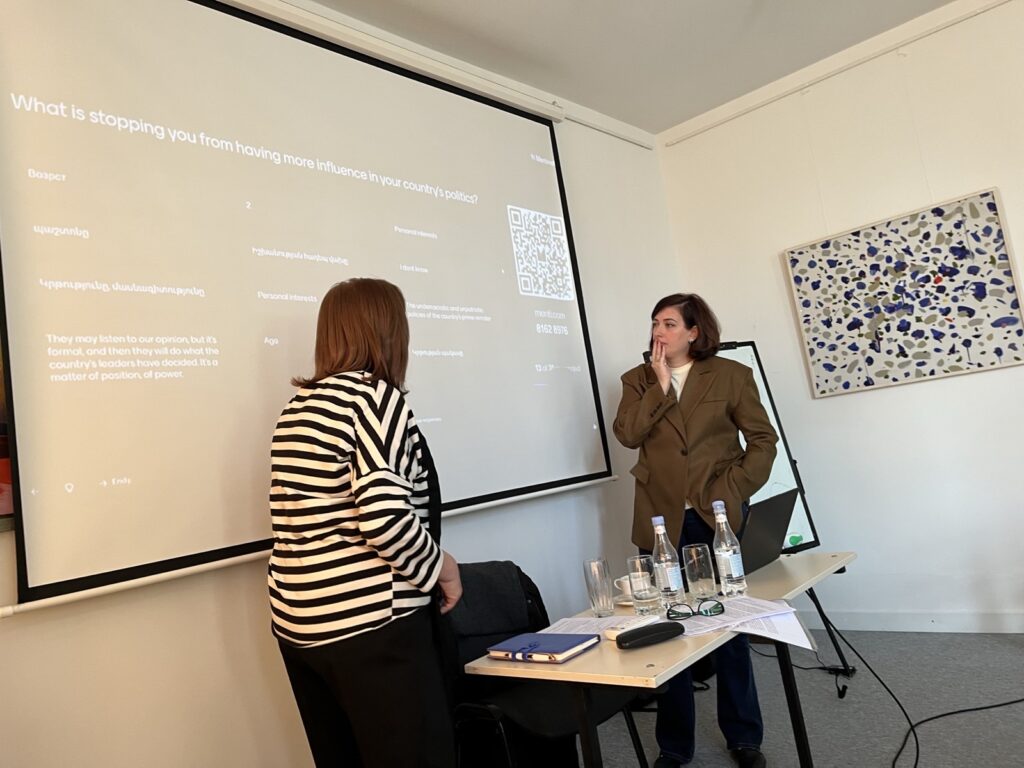
On 4 February 2026, ALDA contributed to the consultation on the EU Democracy Shield, bringing forward perspectives rooted in local democracy, civil society empowerment, and community-based resilience.

ALDA thanks Elena Yoncheva for the invitation to take part in the consultation. The contribution also built on ALDA’s participation in several consultation processes involving Civil Society Europe and the European Partnership for Democracy (EPD).

Secretary General Antonella Valmorbida confirmed that ALDA members and constituencies across Europe and beyond are witnessing increasing pressure on European democracy and the European project. These challenges are often driven by narratives detached from factual evidence and by cognitive manipulation repeatedly amplified through social media.

Such dynamics risk undermining solidarity — not only between countries, but also within societies — at a time when democratic cooperation and mutual trust are more necessary than ever. In this context, Antonella expressed satisfaction with the current direction of the Democracy Shield, which goes beyond a purely defensive approach. The framework increasingly focuses on strengthening democracy internally, particularly by empowering civil society, local communities, and democratic participation.

ALDA underlined that local democratic spaces are key environments for building resilience. As an organisation composed of both civil society organisations and local authorities, ALDA operates at the intersection of these two dimensions and advocates for their close cooperation.


The local level offers specific advantages: it is more accessible, often less polarised, more pragmatic, and better suited to inclusive dialogue.


Proximity-based actions and community engagement allow democratic practices to be rooted in people’s daily lives rather than remaining abstract or confined to online environments.

ALDA’s Secretary General stressed the importance of a granular territorial approach, moving beyond capital cities and large urban centres to focus on secondary cities and rural areas. These territories are often more exposed to information scarcity and digital manipulation, making targeted actions on literacy, offline dialogue, exchanges, and lived experiences particularly relevant.

She highlighted the need to invest in critical thinking and democratic literacy, combining online and offline approaches. Face-to-face meetings, exchanges between communities, and shared experiences play a crucial role in contesting polarising narratives, including those targeting migrants and other groups for political purposes. Building democratic resilience requires long-term engagement aimed at restoring trust at the community level and demonstrating the tangible value of democracy and deliberation, countering feelings of alienation and exclusion.

ALDA also drew attention to the critical situation in the EU neighbourhood and candidate countries, where democratic actors often lack basic instruments and resources while facing overwhelming hostile narratives. Civil society organisations and municipalities in these contexts require sustained and structured support. The contribution stressed the importance of closely linking neighbourhood policies with the Democracy Shield and ensuring that civil society and pro-democracy actors are fully included. In this regard, ALDA highlighted the role of Local Democracy Agencies, with fifteen currently operational in the neighbourhood, as well as the broader network of members working with local authorities and civil society.

Finally, ALDA called for a proactive Democracy Shield, capable not only of connecting existing initiatives but also of actively stimulating collective action. A genuine whole-of-society approach — bringing together public authorities, civil society, and European partners — remains essential to breaking silos and strengthening democratic resilience across Europe and beyond.

The Shared Green Societies Forum was officially launched on Wednesday 28 January 2026 during a full-day event in Brussels, bringing together Social Sciences and Humanities (SSH) researchers, local practitioners and policy-makers at both EU and local level. 

The event celebrated this innovative European Forum that connects different actors and strengthens collaboration for an inclusive and just green transition grounded in local realities and citizens’ engagement. Forum participants will be part of a journey of sharing knowledge and understanding, events, discussions, advocacy and real-world impact.

Its added value lies in bridging SSH research and community practice. On one hand, it creates a space where NGOs and local actors can access findings, outputs and tools from SSH research to better support their communities. On the other, it facilitates constructive dialogue between researchers and those with lived experience on the ground, fostering mutual learning and more effective action.

The Forum is currently supported by the EU-funded Horizon 2020 SHARED GREEN DEAL project, which aims to foster a just green transition in Europe that works for and with people, providing SSH tools and knowledge to support the implementation of eight EU Green Deal policy areas and deliver behavioural change.


The Shared Green Societies Forum is now open to university departments and research institutes, civil society organisations, local and regional authorities, researchers and policymakers committed to shaping an inclusive and just green transition in Europe


Three types of participation are available: Forum Members, who engage actively in shaping the Forum’s activities; Forum Champions, who play a consultative or exemplary role by sharing experiences and inspiring others; and Friends of the Forum, who contribute through more occasional and supportive engagement.

The launch event brought together more than one hundred people from civil society representatives, researchers, local and regional actors and policymakers from across Europe to share the Forum’s vision and first steps. 

The agenda reflected the three core goals of the Forum

  • supporting citizen and professional participation through well-designed community-led initiatives; 
  • promoting mutual knowledge flows between SSH research and local practice; 
  • advocating for inclusive public policies informed by both academic insight and grassroots experience.

The event kicked off with an introduction on the activities and the forum, led by Professor Rosie Robison (Anglia Ruskin University) and Valeria Fantini (ALDA – HUB Environment & Climate)

The first session featured a keynote conversation between Professor Chris Foulds (Anglia Ruskin University) and Astrid Ladefoged, Deputy to the Director and Head of Green Transitions Unit at DG Research and Innovation. She highlighted the urgency of aligning science, policy and on-the-ground practice to drive the green transition, stressing that social sciences and AI must work together to address public distrust and misinformation. Cities were identified as key implementers, and rebuilding public trust was framed as a matter of translating research into tangible, locally relevant solutions that address affordability and systemic inequalities.

The second session celebrated local ‘Champions’ of Shared Green Societies. Through an interview format, Kinga Kovacs from EnergyCities presented the work implemented by five of the 24 social experiments across 17 countries from the SHARED GREEN DEAL project: Pelle Bengtsberg (Reformaten), Rhiannon Laubach (Ballyhoura Development), Jean-Paul Grange (Val-de-Marne en Transition) and Filipa Corais (Braga Municipality). They shared their experiences of working with local communities to support the implementation of the European Green Deal, illustrating how SSH methods contributed to community learning, co-creation and trust-building. The example of these Forum Champions showed that change begins with people rather than top-down technical fixes, despite barriers such as short-term funding and political instability.

Participants then joined an interactive third session, “Building a shared voice on policy: Advocating for just and community-based public policies”, focused on developing a collective advocacy agenda and defining shared priorities for joint lobbying, research and funding collaboration. The session was led by Pia Wieser (WECF) and PJ Beers (Drift), with the special participation of Leida Rijnhout from Ecolise, who stressed the importance of local communities and a bottom-up approach to delivering systemic change — as showcased by ECOLISE’s Colibri approach to advocacy.

The day concluded with a Collaboration Hub, where 11 initiatives showcased their work, tools and insight from their experience in pursuing a just green transition in Europe, and the added value of connecting research and local communities in this joint effort. This session featured projects such as SSH CENTRE, Real Deal, PHOENIX, ACCTING, and YOU(th) CARE; organisations and initiatives such as the European Local Innovation Forum (ELIF) by AEIDL, the Environment & Climate Hub of ALDA, Local Green Deals by ICLEI, GreenDeal-NET by Vrije Universiteit Brussel, and the EU Cities Mission Platform by NetZeroCities (presented by EuroCities). Tools such as the Green Deal Barometer and the Green Economy Tracker were also showcased; and finally, the Shared Green Societies Forum presented its upcoming activities.

The Collaboration Hub has been followed by a final plenary, moderated by Valeria Fantini (ALDA) outlining the Forum’s next steps and officially opening registrations to become part of the Forum.

All eligible stakeholders are invited to join the Forum by completing this form

To learn more on eligibility criteria, the objectives of the Forum and benefits of participation, check out the Forum Strategy for all the detailed information. You can read more about the co-creation process that led to the definition of the Strategy and the creation of the Forum itself here

Forum’s activities are coming soon, including online workshops in March and April 2026 on how local actors can drive change from the ‘in-between’ (delivered in 5 different EU languages) and a Policy brief series on “Bottom-Up Solutions for Effective European Green Deal Governance”, which will be include five roundtables across Europe with different target audience. 

Don’t miss news and updates on upcoming activities: follow Shared Green Societies on LinkedIn

For questions or additional information you can contact team@sharedgreensocieties.eu

Find out more about the project here!

Local Democracy and civil society engagement at the local level are a fundamental space of democratic resilience.

On 2 and 3 February, 2026, the International Conference on the New Democratic Pact for Europe took place in Strasbourg (France) at the Council of Europe (CoE).

The event aimed to explore the current state of civic space in Europe — the environment that enables people to participate meaningfully in the political, economic, social and cultural life of their societies.

ALDA’s Secretary General, Antonella Valmorbida, attended the event to meet in person with speakers and participants from institutions, international organisations and research centres, fostering an exchange of visions, perspectives and practices aimed at strengthening civil society empowerment.

Civil Society has a central role to play on the path to the New Democratic Pact for Europe” (Alain Berset, Secretary General of the CoE)


In a world experiencing a democratic backsliding trend, this theme is at the center of ALDA’s commitment to promote democratic values, understanding the need to act locally in order to reach ambitious goals on a global level. 


With the New Democratic Pact for Europe, the CoE aims at undertaking a collective and inclusive action  “not to reinvent democracy, but to reinforce its foundations, amplify its benefits, and innovate its form to make it tangible for everyone”, with the awareness that we must never cease to be vigilant in safeguarding the civil and political rights of citizens.

“The evils of Nazism did not happen overnight. They were made possible through a gradual deterioration of society”
(Michael O’Flaherty, Council of Europe Commissioner for Human Rights)

ALDA is proud to have been present at this crucial moment for democracy, which has provided significant food for thought and inspiration for our work and mission, bringing our role in supporting resilience of local democracy at the local level.

ALDA has also been advancing democratic resilience on the ground through the implementation of the BRIDGE to the Council of Europe (CoE) project, an initiative designed to strengthen civil society participation and combat democratic backsliding across Europe. The project fosters closer engagement between civil society actors, local authorities, and CoE institutions, building capacities for meaningful participation in democratic governance and awareness of Council of Europe standards. Through workshops, cross-border dialogues, and a broad communication strategy, BRIDGE translates shared democratic values into tangible local action, reinforcing the foundations of civic space and empowering communities to uphold democratic norms.

The famous Greek youth centre, Komotini, welcomed young people from across Europe to the ProVote event Mobilising Citizens for Stronger European Democracy“. The one-day programme brought together around 40 participants from Belgium, France, Germany, Greece, Italy, North Macedonia, Romania, and Spain, offering interactive workshops, panel discussions, and debates designed to strengthen democratic engagement and understanding of the European Parliament.  

Organised in partnership with UNCJR, Region Hannover, Partenalia, ALDA, Regio Dev, Diputación de Jaén and System and G, the event highlighted the importance of transnational cooperation in fostering youth participation in democratic processes.  

The programme opened with official welcomes from Dimitris Gartsonis, Consultant of the Mayor of the Municipality of Komotini and Nicolas Reynès, Coordinator of Partenalia and Tessy Melidi, Coordinator of RegioDev.  


Interactive workshops formed the core of the event, focusing on youth participation in democratic processes through innovative tools such as Virtual Reality, Artificial Intelligence, debating exercises, and discussions on the role of youth centres.  


A panel discussion on “Youth Participation in Democratic Processes” was moderated by journalist Natasa Vafeiadou, publisher of Paratiritis Thrakis. Panellists included Konstantinos Sitaras, President of ELSA Komotini; Charalampos Stafylidis, non-formal trainer; and Dimitrios Gartsonis, Consultant to the Mayor of Komotini.  

The event concluded with the presentation of key survey insights and closing remarks by Nicolas Reynès and Apostolos Alexiadis, who highlighted a case study from System and G.

91.7% of young people, participants of a questionnaire are discouraged from voting because they feel their vote does not matter.  75% intend to vote in the next European elections, while 45% stressed the need for more informative campaigns about the importance of voting. 50% respondents would be more likely to vote or engage in political discussions if they had greater opportunities to interact directly with decision-makers. 72% felt issues such as climate change, education, and employment are somewhat represented in European elections, but require stronger focus. 33.3% identified social media campaigns as the most effective way to encourage youth voting. 58% said they only occasionally participate in political or social campaigns.

ProVote is a European initiative aimed at strengthening citizen engagement and participation in EU democracy, with a particular focus on underrepresented groups such as young people, women, marginalised communities, and mobile EU citizens.

The PACT – Participatory Action for Community Transformation project has officially launched its first phase with the WP1 Coordination Meeting, held online on 28 January 2026, bringing together partners from across Europe to align strategies, exchange perspectives, and co-design the foundations of upcoming activities.

Funded under the CERV – Networks of Towns programme, PACT is a 24-month European initiative that aims to contribute to the recognition, empowerment and inclusion of underrepresented ethnic and national minorities in local communities. By strengthening cooperation between municipalities, civil society organisations and minority-led actors, the project promotes inclusive governance, participatory democracy and social cohesion across Europe.

The project is led by ADL Zavidovići (Italy) and implemented by a transnational partnership including Fons Català de Cooperació al Desenvolupment (Spain), KMOP – Social Action and Innovation Centre (Greece), Center for Intercultural Dialogue – CID (North Macedonia), PLACE Network (France) and KONKÁV (Hungary).
ALDA – the European Association for Local Democracy leads the coordination of events at European level, strengthening the link between the project’s transnational scope and its communication and advocacy actions.

A collaborative start: WP1 Coordination Meeting

The WP1 kick-off meeting marked an important first step in translating the project’s vision into concrete actions. The session created space for partners to present their organisations, target groups and local contexts, while identifying shared challenges and opportunities related to minority participation.

Partners highlighted experiences from working with migrant-led organisations, Muslim communities, Roma youth and families, as well as municipalities committed to anti-racism and inclusion policies. Across different national contexts, a common concern emerged: the difficulty in reaching underrepresented minorities, compounded by barriers to participation and the persistence of misleading or exclusionary narratives.

The meeting focused on the core principles guiding WP1 activities: cooperation, co-design and co-creation

Throughout the meeting, partners reaffirmed the project’s commitment to a human-rights-based and participatory approach, placing minorities at the centre of decision-making processes as active contributors and rights-holders.

Looking ahead: WP1 International Conference and Workshops in Brussels

Preparations are now underway for the WP1 International Conference and Workshop on the Promotion of Minorities’ Participation in Multi-level Governance, which will take place on 10–11 March 2026 in Brussels, at Amazone – House of Associations for Gender Equality.

The two-day event will gather 76 participants from 10 European countries, including representatives of municipalities, civil society organisations, minority-led groups, experts and practitioners.

By fostering dialogue between local and European actors, the event will represent a key milestone in advancing inclusive governance models and democratic participation across Europe.

With WP1 officially underway, PACT is setting the foundations for a shared European effort to reshape narratives, enhance participation and build more cohesive and inclusive communities.

AT A GLANCE

The ROOT WB project is built on the belief that active citizenship, structured dialogue, and regional cooperation are essential for strengthening democracy and civic space in the Western Balkans. By connecting citizens, civil society organizations, and public authorities through participatory methods, evidence-based advocacy, and innovative tools like the Dialogue and Policy Hub, the project creates lasting frameworks for citizen engagement aligned with EU best practices.

ROOT WB empowers youth, women, and marginalized groups, supports cross-border learning, and promotes inclusive policymaking while upholding the highest ethical and safety standards to protect and amplify the voices of all participants.

OBJECTIVES

  1. Promote active citizenship and civic engagement, particularly among youth,
    women, and underrepresented groups at local, national, and regional levels;
  2. Enhance CSO capacities to defend civic space, advocate reforms, and represent citizens’ rights;
  3. Facilitate regional cooperation and exchange of best practices between CSOs, local authorities, and EU partners to foster cross-border civic alliances;
  4. Improve public understanding of EU values, rights, and institutions, in line with the EU Charter of Fundamental Rights;
  5. Establish participatory policy-making mechanisms to integrate citizen input into both local governance and EU-related processes.

ALDA’s Secretary General, Antonella Valmorbida, took part in an inspiring week in Taipei (Taiwan), hosted by the Taiwan Foundation for Democracy, centred on one of today’s most urgent debates: the relationship between AI and democracy.


The conference explored how emerging technologies are reshaping democratic governance, raising crucial questions around trust, participation, and accountability in an increasingly digital public space. In this context, Antonella highlighted the growing pressure on democratic systems worldwide and stressed the central role of participatory local democracy in responding to these challenges.


She underlined that


“Democracy in the age of AI must be rooted in communities, transparency, and decentralised decision-making, ensuring that technological innovation strengthens – rather than weakens – democratic values.”


These themes closely reflect ALDA’s commitment to foster an ethical and inclusive approach to new technologies, ensuring no one is left behind: indeed, our Digital & Innovation Hub aims at the construction of an inclusive and fair society providing equal opportunities for all its citizens regardless of their gender, social status, nationality, or any other discriminant aspect.

Also, from an internal organisational perspective, we aim to approach emerging technologies in a responsible and sustainable way. A central element of this effort is the development of a dedicated ethical framework for the use of AI, accompanied by training initiatives across all departments to ensure responsible, informed, and consistent implementation.


Therefore, all insights gathered in Taipei will feed directly into ALDA’s ongoing work, including our Digital Hub and Wealth of Expertise, and into future discussions at the General Assembly in May 2026, in Malta. ALDA warmly thanks the Taiwan Foundation for Democracy for its support and collaboration, and extends special thanks to Audrey Tang, Taiwan’s Cyber Ambassador and a leading global voice on AI and democracy, for her inspiration and leadership.

AT A GLANCE

The project’s general objective is to contribute to the recognition, empowerment and inclusion of underrepresented minorities in local communities in Europe, valuing their role and participation to shape a more equal, connected and intercultural European society.

PACT, or Participatory Action for Community Transformation, aims to empower underrepresented minorities in Europe by strengthening the role of municipalities and civil society organizations in promoting inclusive governance and community-led participation.

OBJECTIVES

Specific objectives (SOs) and thematic pillars:

Key-word: Participation
SO1: To enhance inclusive and participatory governance at local and European levels by fostering the capacity of and dialogue between institutions, civil society organizations, and ethnic and national minorities.

Key-word: Narratives
SO2: To improve alternative narratives on underrepresented ethnic and national minorities by amplifying their voices, challenging misinformation, and fostering a more accurate and inclusive public discourse.

Key-word: Social Cohesion
SO3: To foster social cohesion and intercultural dialogue through culture, promoting the active participation of minorities in community life.

Key-word: Collaboration
SO4: To strengthen multi-stakeholder collaboration between municipalities, civil society and media, ensuring solid partnerships and sustainable mechanisms for inclusion and democratic participation


ASSOCIATED PARTNERS:

Thiene Municipality (Italy)
Brescia Municipality (Italy)
Kumanovo Municipality (North Macedonia)
Budapest IX District (Ferencvaros) (Hungary)
Vic Municipality (Spain)
Girona Municipality (Spain)
Rubi Municipality (Spain)
Matarò Municipality (Spain)
Birgu Local Council (Malta)
Municipality of Lykovrisi-Pefki (Greece)
Municipality of Plœuc (France)

RELATED NEWS

AT A GLANCE

ProVote is a European initiative designed to spark greater citizen engagement and participation in EU democracy, with a special focus on groups that are often underrepresented – young people, women, marginalised communities, and EU mobile citizens. The project brings together a diverse partnership of civil society organisations and local authorities from eight countries: Greece, Spain, France, Belgium, Romania, Italy, North Macedonia, and Germany.

The project’s activities centre on 16 events – 14 international and 2 local – hosted across the partner countries, where participants will share experiences, identify challenges, and co-create practical solutions to boost democratic participation. Each international event will welcome around 55 participants, including representatives from NGOs, local authorities, educators, and active citizens, while local workshops will target smaller groups of practitioners. In total, ProVote expects to directly involve over 2,000 people and reach more than 500,000 indirectly through communication and dissemination.

At the heart of ProVote is the Citizens’ Engagement Academy, an innovative online platform that will remain freely accessible for at least three years after the project ends. This Academy will host training modules, best practices, and resources on civic engagement, media literacy, and countering disinformation. Partners will embed the Academy into their ongoing training and outreach, ensuring its continued use and relevance.

OBJECTIVES

The project aims to organise 14 International events and 74 local workshops in the partners’ countries, and to engage citizens through an online “Citizens’ Engagement Academy”.

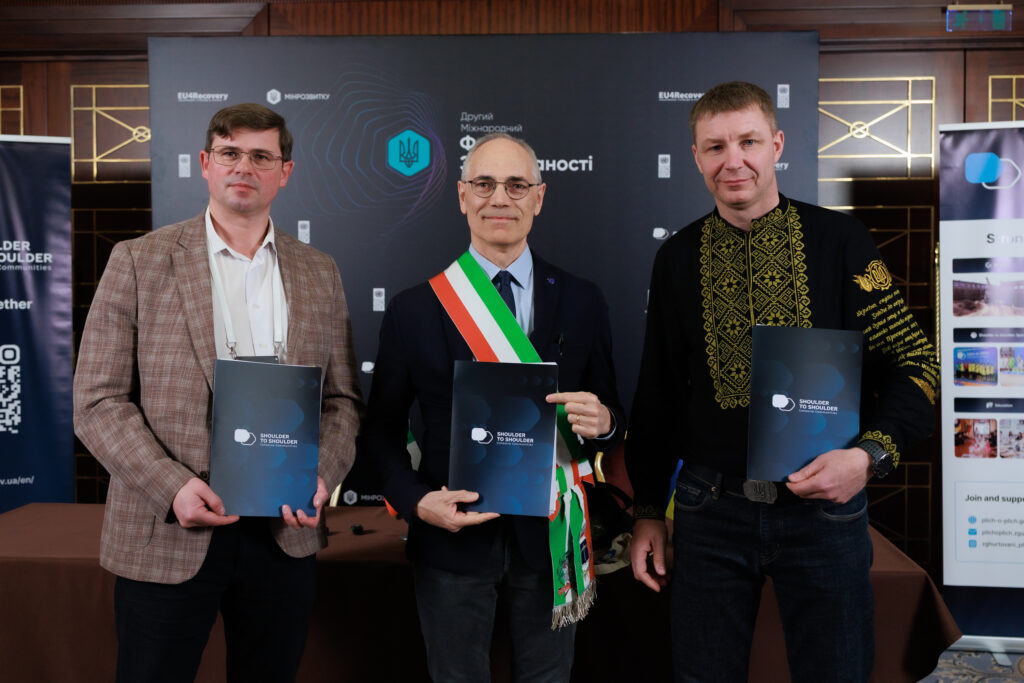
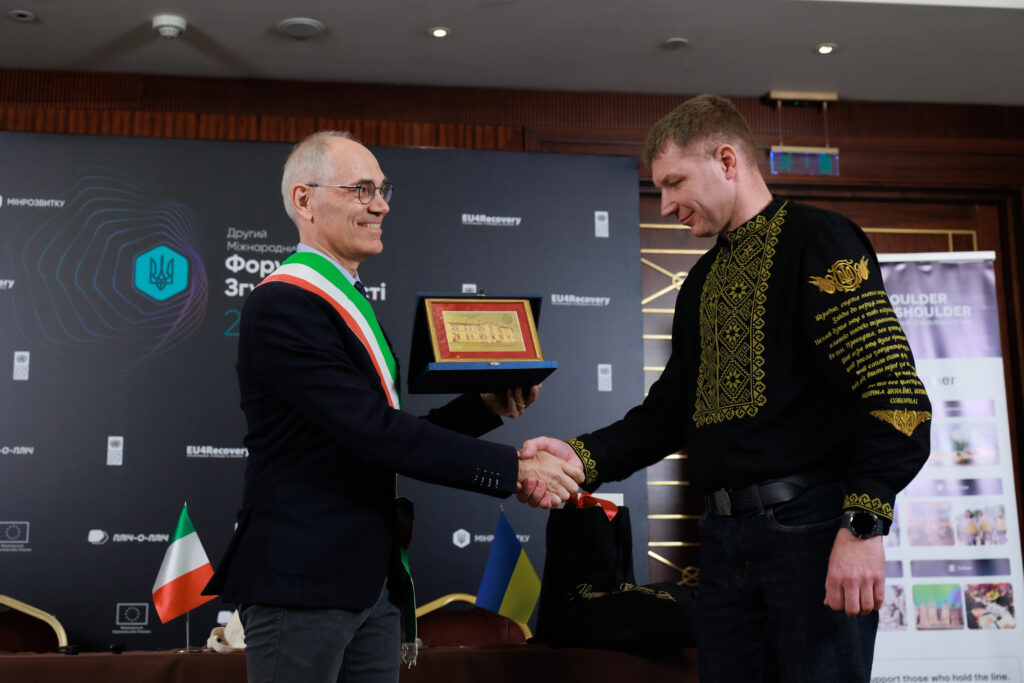
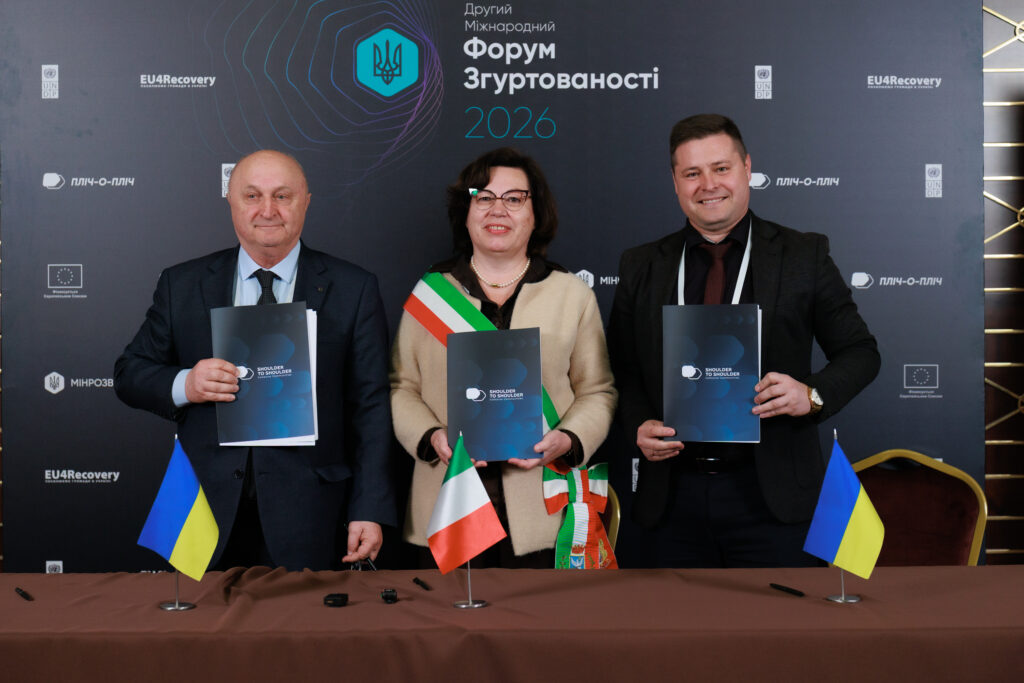
On 22 January, Ukraine marks the Unity of Ukraine Day, commemorating the Act of Unification of 1919, when Eastern and Western Ukraine formally declared their unity. This historic moment affirmed a shared vision of independence, solidarity, and a common destiny—values that continue to resonate deeply more than a century later.

While the Act of Unification stands as a powerful historical symbol, unity in Ukraine has never been confined to the past. Today, unity is not only remembered; it is practised daily. It takes shape through local action, civic engagement, and democratic governance, especially in times of profound challenge.


Unity, in this sense, is inseparable from local democracy. It is built where communities organise, where local authorities respond to citizens’ needs, and where civil society strengthens trust and participation.


On Ukraine Unity Day, unity is not understood as an abstract concept, but as an ongoing process—one that is continuously nurtured at the local level.

Across the country, the work of the Local Democracy Agencies (LDAs) in Ukraine demonstrates how unity becomes tangible. Through cooperation between regions, solidarity among municipalities, and dialogue between citizens and institutions, LDAs contribute to strengthening democratic resilience even under the most difficult circumstances. These efforts show that unity is not uniformity, but collaboration rooted in diversity, proximity, and shared responsibility.

The legacy of the 1919 Act reminds us that unity is a powerful source of resilience. Ukraine’s strength today lies in people standing together—locally and nationally—transforming unity into collective action, resistance, and mutual support. Communities continue to prove that cohesion and democratic values can endure, even in the face of adversity.

For ALDA, unity means standing alongside local communities and supporting democratic governance where it matters most: at the local level. It means contributing to recovery processes that are inclusive, participatory, and rooted in local needs and capacities. ALDA’s engagement in Ukraine reflects a long-term commitment to empowering communities and reinforcing local democracy as a cornerstone of resilience and reconstruction.

Unity today also transcends borders. It is reflected in the shared commitment between Ukraine and Europe, and in the continued solidarity linking European institutions, local authorities, and civil society organisations with Ukrainian partners. This transnational unity reinforces the idea that democracy and peace are collective responsibilities.

On Unity of Ukraine Day, one message stands clear: unity lives where people act together. It is built every day, locally, through democratic participation, cooperation, and trust—and it remains one of Ukraine’s greatest strengths, now and for the future.

[Article in Italian]

CSV Positive Radio è un’iniziativa promossa dal Centro di Servizio per il Volontariato della provincia di Vicenza (#ALDAMember), pensata per raccontare in modo chiaro ed accessibile ciò che accade nel territorio vicentino. Le sue trasmissioni accompagnano gli ascoltatori alla scoperta di eventi, progetti e buone pratiche che si sviluppano a Vicenza ed in ambito provinciale, offrendo un canale informativo dedicato al volontariato e all’impegno civico.

In questo contesto si inserisce la rubrica mensile curata da ALDA che valorizza le iniziative locali e favorisce il dialogo tra istituzioni, associazioni e cittadini. La collaborazione tra ALDA ed il CSV Vicenza si fonda su una visione condivisa, orientata al rafforzamento della democrazia locale, al coinvolgimento delle comunità ed al sostegno alla società civile.

È proprio CSV Positive Radio a rappresentare lo spazio in cui questa collaborazione prende forma concreta, trasformando i valori e gli obiettivi condivisi in contenuti accessibili, occasioni di confronto e momenti di informazione aperti alla cittadinanza. Nel tempo, questa sinergia si è consolidata, riconoscendo nella comunicazione uno strumento efficace di partecipazione e cambiamento.

Clicca sul bottone sottostante per scoprire tutte le puntate di CSV Positive Radio.

Non perdere le puntate di CSV Positive Radio! Entra nel cuore delle realtà locali, ascolta esperienze autentiche e scopri come il nostro territorio prende vita ogni giorno.

Adrien Licha, Coordinator of the Secretariat and the Eastern Partnership Unit at ALDA, has been elected on behalf of ALDA as member of the Board of the European Movement – France along with 49 other members during its General Assembly that took place in Paris on Saturday, 17th of January 2026. The members of the Board are elected for 3 years, during which they define and approve the association’s annual action plan, in line with the project defined by the General Assembly.

Created in 1948 at the Congress of The Hague, the European Movement unites all active forces committed to a united Europe. For many years, ALDA has been an active member of the European Movement International and of the Italian Section of the European Movement (Consiglio Italiano del Movimento Europeo). ALDA joined the European Movement – France in 2021 and has been working closely with this organisation since.

We are proud to join forces with like-minded people and organisations, defending an ambitious vision of the European Union and engaging citizens to shape the future of the union at a critical moment for our continent.

During this mandate, ALDA will support the work of the European Movement – France, facilitating cooperation between sections within France and abroad, and answering the desire of members to engage with their counterparts in other European countries. We will also be happy to contribute through our core experience and expertise to the debates and activities on enlargement of the European Union, local and regional government, and support for democracy.

The general assembly of the European Movement France reelected Dr Hervé Moritz as President and appointed a new board. The event also hosted the President of the European Movement – ​​Germany, Dr Anna-Maija Mertens, and the President of the European Movement – ​​Italy, Pier-Virgilio Dastoli, for an exchange on the priorities of our pan-European organisation and on ways to address the challenges and threats facing the European Union.

The European Movement is part of ALDA’s network of partners, underscoring the strong synergy that guides our collaboration. With Adrien’s election, for which we are sincerely grateful, we look forward to further strengthening this work in the period ahead.

If you want to shape Europe’s future, join our network.

[Article in Italian]

ALDA Italia APS, insieme ai partner di progetto, presenta ufficialmente ASPIRA! – Aspirazioni, Sinergie, Partecipazione, Rete e Alleanze con i NEET con un evento di lancio in programma giovedì 29 gennaio 2026 alle ore 10.30 presso Villa Fabris a Thiene.


La mattinata si aprirà con una riunione riservata ai partner, dedicata alla condivisione di aspettative, obiettivi e modalità di collaborazione. A seguire, dalle 10:30 si terrà la presentazione ufficiale di ASPIRA!, durante la quale verranno illustrate nel dettaglio le attività previste e le azioni che prenderanno forma nei prossimi mesi.
Un’occasione di confronto e condivisione aperta a tutte le persone interessate.

Il progetto
ASPIRA! si rivolge ai giovani NEET (Not in Education, Employment or Training), in particolare tra i 18 e i 30 anni, una fascia che in Italia presenta percentuali tra le più alte in Europa. Le indagini mostrano come, accanto a una diffusa condizione di scoraggiamento, esista un interesse concreto da parte di molti giovani a migliorare la propria situazione attraverso l’ingresso o il rientro nel mondo del lavoro, soprattutto tramite percorsi formativi più mirati. Il progetto nasce quindi per sostenere il diritto dei giovani NEET ad aspirare a un futuro migliore e accompagnarli in questo percorso.
Il progetto, finanziato da Fondazione Cariverona, vede ALDA Italia APS come capofila e coinvolge una rete articolata di partner. I partner operativi sono NEXTQ APS, ENGIM, Samarcanda ONLUS e Villa Serena, mentre tra i partner sostenitori figurano il Comune di Thiene, l’Unione Montana Pasubio Piccole Dolomiti, GAGA Vicenza, la Fondazione Lions Schio e Thiene, il Centro Italiano Femminile della Provincia di Vicenza, il CPI Schio-Thiene, l’Ufficio di Ambito per l’Inclusione Sociale ATS Ven_04, oltre ai partner profit Niuko SRL, For Action SRL e Istituto Poster.

Obiettivi e attività
Il progetto si articola in tre azioni principali: orientamento professionale, integrazione sociale e supporto psicologico. Nella prima fase sono previste attività di empowerment, percorsi personalizzati di orientamento, coaching e mentoring di gruppo, uno sportello di consulenza e un servizio di supporto psicologico. A queste si affiancano laboratori e workshop per lo sviluppo di competenze trasversali e soft skills utili per l’ingresso nel mondo del lavoro.

La seconda fase è dedicata alla condivisione delle buone pratiche, attraverso tavoli di lavoro con i partner e la realizzazione di un toolkit metodologico. Il progetto si concluderà con un evento di restituzione al territorio presso Villa Fabris a Thiene e con una campagna di comunicazione volta a coinvolgere i NEET e informare la comunità locale.

Una rete territoriale stabile per garantire continuità
Parallelamente alle attività rivolte ai giovani, ASPIRA! punta a costruire e consolidare una rete di supporto stabile, grazie alla collaborazione tra realtà profit, no-profit e pubblica amministrazione locale.
L’intento è garantire continuità alle buone pratiche sviluppate durante il progetto, anche oltre la sua conclusione, rafforzando il tessuto sociale e le opportunità di inclusione nel territorio.

Per rimanere aggiornati e partecipare alle attività che si terranno nel corso del 2026 è necessaria l’iscrizione a questo link. Per maggiori informazioni: progetto.aspira@aldaintranet.org

[Article in Italian]

Continua il progetto RESPIRO di ALDA Italia APS, che si focalizza sulla promozione del diritto alla salute e della prossimità sociale. Il progetto mira anzitutto a potenziare l’offerta dei servizi medico-sociosanitari dell’Ambulatorio popolare gestito dall’Associazione Caracol, che offre cure mediche gratuite a persone in condizioni di disagio economico e/o socio-sanitario.

Il progetto è finanziato da Fondazione Cariverona e ha come capofila l’Associazione Caracol, insieme ai partner ALDA Italia APS e Cooperativa Equality.

In secondo luogo, il progetto intende aumentare e garantire un maggiore livello di informazione e sensibilizzazione sull’importanza dell’accesso alle cure, e infine rafforzare il coinvolgimento attivo della comunità locale nelle tematiche di cura, salute e welfare generativo.

Alla luce di quest’ultimo obiettivo, ALDA Italia APS è impegnata nella realizzazione di due attività chiave del progetto, pensate per coinvolgere la comunità vicentina in senso più ampio.

Sul tema della salute, è stato lanciato un ciclo di sei incontri tra associazioni, enti e cooperative del territorio per creare un Manifesto di Intenti, che definisce azioni e strumenti utilizzabili nei percorsi di welfare generativo all’interno della comunità. In altre parole, l’obiettivo di questi incontri è costruire collettivamente linee guida su come dovrebbe essere l’approccio alla salute e alla sanità sociale, partendo da parole chiave quali cura, salute e sanità, welfare generativo, comunità. Il documento potrà poi essere condiviso con le realtà del territorio impegnate nei temi della cura e della salute, in particolare a favore delle persone più svantaggiate.

Il primo incontro, tenutosi a fine dicembre, ha visto la partecipazione di associazioni del territorio, gruppi della società civile e realtà impegnate per il bene comune. Gli incontri sono aperti a tutti e rappresentano un’importante occasione di confronto, creazione di reti e rafforzamento delle relazioni territoriali.

ALDA Italia APS organizza inoltre due laboratori interattivi dedicati ai giovani su tematiche fondamentali quali le questioni di genere e la ricerca di lavoro, condotti da formatori e psicologi esperti. I laboratori sono pensati per essere altamente partecipativi, favorendo confronto, riflessione e apprendimento collaborativo.

Il primo laboratorio, svoltosi nel mese di gennaio 2026, si è articolato in tre incontri dedicati a temi quali la questione di genere, le dinamiche di potere e il legame tra salute e sessualità. Il secondo laboratorio, previsto tra febbraio e marzo 2026, sarà invece focalizzato sullo sviluppo di competenze per il mondo del lavoro, fornendo strumenti pratici per la ricerca attiva di lavoro, la scrittura del CV e la preparazione al colloquio.

Attraverso il progetto RESPIRO, ALDA Italia APS rinnova il proprio impegno nella tutela del diritto alla salute come bene comune, potenziando i servizi di prossimità e promuovendo la partecipazione attiva della comunità locale. Le attività partecipative e i laboratori rivolti ai giovani si configurano come strumenti concreti per accrescere la consapevolezza, rafforzare le reti territoriali e contribuire alla costruzione di un modello di welfare generativo inclusivo, attento ai bisogni delle persone, in particolare di quelle in maggiore condizione di vulnerabilità.

Throughout November 2025, the POWERYOUTH project hosted a dynamic series of five online webinars aimed at empowering young people to understand, design, and lead Energy Communities across Europe.

The webinar series brought together experts, practitioners, and young participants to explore key concepts, practical tools, and collaborative approaches that support youth engagement in Europe’s energy transition. Combining expert input with interactive activities, the series offered a comprehensive learning journey — from foundational knowledge to hands-on planning.


Webinar 1 – What is an Energy Community?

4 November 2025 | 10:30–11:30 CET

The series opened with a foundational session introducing the concept of Energy Communities. Following a short welcome and presentation of the POWERYOUTH project, participants attended a 45-minute keynote by Mr. Kupiec from PNEC, who outlined the principles, benefits, and emerging opportunities linked to Energy Communities across Europe.

A concluding Q&A session allowed participants to clarify key concepts and reflect on the relevance of community energy initiatives in their local contexts.

Webinar 2 – Setting Up, Monitoring & Evaluating Your Energy Community

7 November 2025 | 12:30–13:30 CET

The second webinar focused on the practical steps required to establish and manage an Energy Community. After the introductory session, Christos Vrettos delivered a detailed 35-minute presentation addressing preparation phases, business planning, and monitoring and evaluation frameworks.

Participants then joined Activity II, a hands-on breakout session facilitated by Evi Makri from National Technical University of Athens, together with Christos and Dimitris. The breakout rooms enabled meaningful interaction among small groups, encouraging peer learning and practical exchange.

The session concluded with a Q&A and closing remarks.

Webinar 3 – Energy Community Modules

10 November 2025 | 12:30–13:30 CET

The third webinar explored the modular structure of Energy Communities. After the welcome and POWERYOUTH overview, Paula and Irene from OURPOWER delivered a 45-minute in-depth presentation on governance, technical components, and organisational models that shape Energy Communities.

Participants engaged in a short Q&A before the session concluded.

Webinar 4 – The Role of Youth in Energy Communities & Stepping Stones for Developing a Youth Energy Community

19 November 2025 | 12:30–13:30 CET

This session focused on the central role of young people in shaping the future of community energy. The keynote speech by Krista Petersone from RPR highlighted youth engagement, leadership, and empowerment within Energy Communities.

The session continued with Activity III – Building Your Energy Community, a collaborative breakout exercise facilitated by Silvia, Krista, and Evi. Participants worked together to outline the first steps towards designing their own youth-led Energy Community initiatives.

A brief Q&A and closing remarks wrapped up the webinar.

Webinar 5 – Initiating Our Youth Energy Community (POWERYOUTH Toolkit)

26 November 2025 | 12:30–13:30 CET

The final webinar showcased the POWERYOUTH Toolkit, designed to support young people in launching and managing Energy Communities. The session featured live tool demonstrations, presented without slides, to emphasise usability and practical application.

Building Capacity for Europe’s Energy Transition

The 2025 POWERYOUTH webinar series brought together diverse perspectives and expertise, equipping young people with the knowledge, skills, and tools needed to actively contribute to Europe’s energy transition through community-based initiatives.

Recordings of all webinars are now available on the SingularLogic POWERYOUTH website, allowing participants — and those who could not attend live — to revisit the sessions at their own pace.

The AMIL projectAlliance Multi-stakeholders for Migrants Integration and Labour – continues to strengthen the sustainable integration of Third Country Nationals into the European labour market. Through a multi-level approach involving local, regional, national, and European stakeholders, AMIL responds concretely to both the needs of people with migrant background and the requirements of organisations tasked with managing and valuing an increasingly diverse workforce.

Within this framework, CODECA, the Cypriot partner of the project, has recently implemented a series of high-impact initiatives, achieving significant results in enhancing skills and employability among migrant communities in Cyprus.

Language as a Key to Employment

On 11 November 2025, CODECA celebrated the successful completion of the first cycle of the Greek Language Programme, which began in July 2025.

The course, lasting four months for a total of 64 training hours, offered personalised learning pathways tailored to the professional needs and work contexts of the participants.
All 30 participants who regularly attended the programme obtained an A2-level Greek language certification. Beyond improving language skills, the initiative significantly contributed to increasing participants’ confidence, autonomy, and readiness to navigate the local labour market.

Soft Skills for Real Employability

At the same time, from 11 to 13 November 2025, CODECA organised a series of three-day workshops focused on soft skills development, delivered both in person and online to ensure maximum participation.

The workshops involved 35 beneficiaries, including asylum seekers, refugees, and holders of temporary or subsidiary protection.

Through practical and interactive activities, participants worked on key skills for labour market integration, addressing topics such as:

  • CV writing;
  • Interview techniques;
  • Strategies for professional success;
  • Workplace etiquette and interpersonal skills;
  • Job search methods and available resources;
  • Legal rights and procedures for Third Country Nationals seeking employment in Cyprus.

A Concrete and Immediate Impact

The feedback collected highlighted the high quality of the content and its immediate applicability, confirming a high level of engagement and satisfaction among participants.
These initiatives demonstrate CODECA’s commitment to providing targeted and effective support for migrant integration.

Thanks to the combination of tailored skills development, practical guidance, and legal knowledge, the AMIL project helps participants feel more confident and prepared, while also strengthening the capacity of local institutions to welcome and integrate diverse populations.

For more information about the AMIL project, have a look at its website

On 10 December 2025, on the occasion of Human Rights Day, ALDA hosted in Rome the FOCUS project final event dedicated to the EU Charter of Fundamental Rights. The event marked a key moment to reflect on how fundamental rights move from legal principles to concrete action, especially at local level, where institutions and communities work every day to make them real.

Over this year, FOCUS has worked to strengthen awareness and understanding of the EU Charter of Fundamental Rights across Europe. Journalists, experts, civil society organisations, local authorities, and young people have all been part of the journey, and many of these voices were brought together in one room to reflect on what has been achieved and, just as importantly, on what still needs to be done.

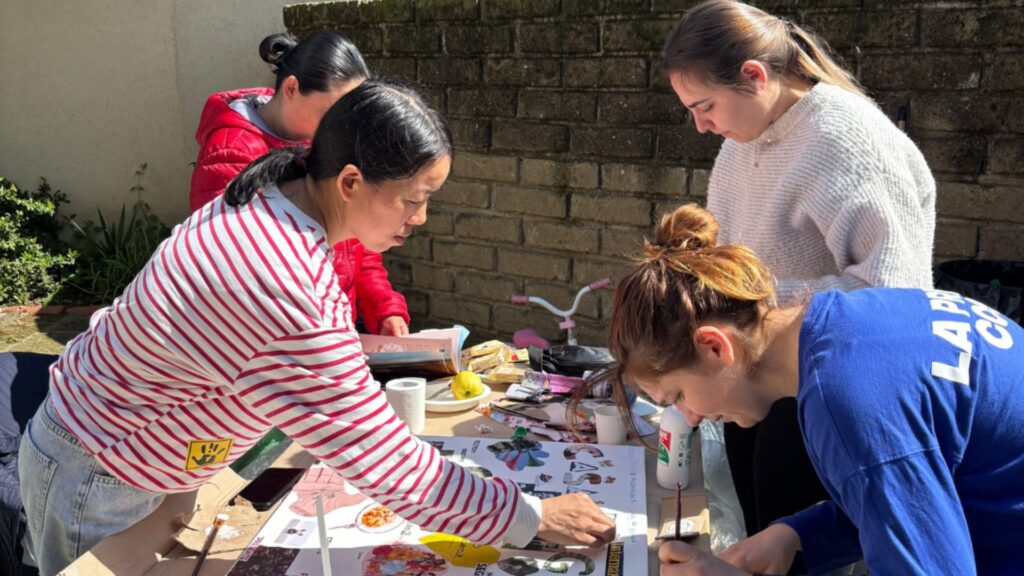
The event opened with a session dedicated to presenting the work carried out during the local trainings organised across Europe, giving participants an overview of how the EU Charter of Fundamental Rights had been explored and discussed on the ground. The members involved were the Municipality of Brescia in Italy, the Barcelona Provincial Council in Spain, the Human Rights Cities Network in Belgium, RAM Central Stara Planina in Bulgaria, and the Local Councils Association in Malta. Each had its own dedicated table, and participants moved around freely, sometimes leaning over tables to hear a story, other times scribbling notes or exchanging tips with a neighbour. This made every table a real space for exchange: participants shared their experiences, discussed challenges they encountered, and compared approaches to making the Charter more relevant in everyday decision-making.

The discussion then moved into two roundtable sessions, the first focused on Equality and Solidarity, two core pillars of the Charter. The goal was to bring these conversations beyond theory: participants worked on concrete policy recommendations, reflecting on how EU rights and values can be better translated into action on the ground. Attention was also given to the actors involved in policymaking at EU level, and to how local authorities, civil society, and citizens can have a stronger voice in these processes.

The second one focused on the everyday obstacles faced by local communities when trying to uphold fundamental rights. Around the tables, participants identified shared needs and recurring issues, from social inclusion and access to services, to environmental protection and participation in decision-making. These discussions highlighted how local realities can inform broader European debates, and why listening to them matters.


The EU Charter of Fundamental Rights truly becomes meaningful when it is translated into concrete action at local level, through the daily work of communities, institutions, and civil society


Closing the event and the project on Human Rights Day gave extra weight to these reflections. The conversations we had in Rome made clear that, while the EU Charter provides a strong legal and political framework, rights only become real when they are understood, claimed, and defended in daily life, and for this reason, local authorities and communities play a crucial role in this process, acting as a bridge between European values and citizens’ lived experiences.

The FOCUS final event did not feel like an ending, but rather a handover. The ideas, connections, and recommendations that emerged in Rome are meant to travel further, back to cities, regions, and organisations across Europe, becoming part of the broader and ongoing work of turning fundamental rights into practice.


A year of shared work showed that the EU Charter of Fundamental Rights truly comes to life when local authorities, civil society, and citizens work together to turn European values into concrete action.

On 22 December 2025, the LDA Kharkiv Region hosted the online meeting “Policy Frameworks for Sustainable Development of Communities in War Crisis and Post-War Contexts”, bringing together Ukrainian local authorities, international partners, and experts to reflect on sustainable development pathways for communities affected by war.

The meeting provided a valuable space for exchange on how local governance, urban planning, and community-driven approaches can support resilience, recovery, and long-term development in the context of ongoing conflict and future reconstruction.

The discussion was opened and moderated by Yaroslav Bedenko, Liaison of LDA Kharkiv Region, who underlined the importance of maintaining structured dialogue between local actors and international partners, even under conditions of uncertainty and insecurity.


Introductory remarks were delivered by Yuriy Stepanets, ALDA Representative in Ukraine, who highlighted the crucial role of local authorities and civil society in safeguarding democratic governance.


Institutional representatives from the Kharkiv Oblast Council and from the territorial communities of Merefa, Kupyansk, Izium, alongside representatives from more than ten additional communities in the Kharkiv Region, actively contributed to the exchange. Their interventions focused on the immediate impacts of war on local infrastructure, social cohesion, and service provision, as well as on emerging priorities for medium- and long-term development.

A key thematic contribution was delivered by Fulco Treffers, co-founder of Ro3kvit Urbanist Coalition for Ukraine, who presented approaches to sustainable urban development and recovery-oriented spatial planning. The presentation emphasised the need to align reconstruction efforts with principles of sustainability, inclusiveness, and community participation, ensuring that rebuilding processes strengthen local capacities rather than merely restoring pre-war conditions.

Community representatives shared concrete examples of locally driven solutions developed during wartime, demonstrating the adaptability and resilience of Ukrainian municipalities in responding to complex and rapidly evolving challenges.

Overall, the meeting highlighted the strong commitment of Ukrainian communities to sustainable development, even in times of crisis. It may represent a first step towards establishing a regular platform for dialogue on urban development, post-war reconstruction, and community empowerment in Ukraine, reinforcing the role of local actors as key drivers of democratic and sustainable recovery.