The launch event of the SG4Y-CLIMATE (Smart Governance for Youth Involvement in Climate Action), held in Istanbul, Türkiye, on 5–7 March 2026, brought together project partners – Istanbul Nisantasi University (Türkiye), Tekirdag Metropolitan Municipality (Türkiye), Galati Municipality (Romania), and ALDA – along with representatives from local and central authorities, academia, civil society, and youth.  Implemented under the Interreg NEXT Black Sea Basin Programme and co-funded by the European Union, the project empowers young people to take an active role in climate action while strengthening local authorities’ capacities to implement inclusive, democratic, and digitally-driven governance.The launch conference “Local Climate Governance and Youth Participation” focused on democratic and inclusive approaches to climate governance and addressed the potential of smart technologies and AI-supported data analysis to facilitate and boost evidence-based decision-making processes aligned with the Sustainable Development Goals (SDGs).


Participants explored how national climate policies can be implemented locally through transparent and inclusive processes, highlighting the essential role of youth, civil society, and universities in shaping local climate strategies. 

During the following two days, project partners held strategic discussions on the implementation of SG4Y-CLIMATE and the development of its key components, including the Smart Governance Methodology, the digital participation platform, and the establishment of the Transnational Youth Council for Climate Action (TYCCA). The meeting strengthened cooperation between partners and set the foundations for the next stages of the project.

In the centre of the action a TYCCA will be established aiming to strengthen the capacities of its members to effectively participate in climate governance processes at local and regional levels using digital tools.

Within the project, ALDA contributes to the development of a Smart Governance Methodology and to the promotion of a digital platform for civic participation and dialogue, which will connect young people with local public authorities and support their active involvement in the development of climate policies. At the same time, the organisation coordinates youth participation activities and the transnational awareness campaign, ensuring that the voices of young people from the three partner countries are integrated into governance dialogues and regional cooperation processes.

In addition, ALDA will support capacity-building for young people and local public authorities through webinars and events focused on the Smart Governance Methodology, the use of AI-based digital tools, and the strengthening of civic participation mechanisms and the co-creation of public policies.

As part of the international cooperation between the Ukrainian community of Ovruch and the French agglomeration of Saint-Brieuc, an international webinar was held on the development of renewable energy sources and the role of communities in planning the energy transition.

The event was organised within the framework of the project “Support for the Energy Transition in Ovruch and Saint-Brieuc (2025-2027)”, which aims to develop cooperation between Ukrainian and French municipalities in the field of energy transformation, energy resilience and sustainable community development. The initiative is supported by the ALDA network and promotes the development of decentralised international partnerships between local governments. The webinar was coordinated by the team of the LDA Ovruch, which acts as a platform for the development of international community cooperation and promotes the involvement of European partners in supporting local sustainable development initiatives.

The webinar became a platform for sharing experiences and discussing approaches to planning and implementing renewable energy sources at the local level, in particular, taking into account the challenges of energy security and climate transformation.


The event was opened by Ivan Korud, Mayor of Ovruch, who presented the local context of energy development and stressed the importance of strengthening the energy resilience of Ukrainian communities, especially in times of war and risks to energy infrastructure.

Vitaliy Volkov, National Expert of the Covenant of Mayors East Project in Ukraine, stressed the importance of strategic energy planning at the local level and the role of international cooperation in supporting Ukrainian communities on their way to a sustainable energy transition.

The participants discussed that partnerships between Ukrainian and European municipalities can play an important role in developing local capacities and implementing modern energy solutions.


An important part of the webinar was the exchange of practical experience in implementing renewable energy sources.

Oleksandr Goncharuk, Head of Infrastructure Projects, Energy Efficiency and Promotions at Zhytomyr City Council, presented the experience of installing renewable energy sources in public buildings in Zhytomyr and shared practical approaches to integrating such solutions into municipal infrastructure. In addition, Oleksandr spoke about how the Municipal Energy Plan of the Zhytomyr City Territorial Community for the period up to 2030 was developed. 

The French partners – Jean-Marc Labbé, Vice President of the Saint-Brieuc agglomeration, Envel Gézenek, heating engineer, and Charlene Laster, Director of ALEC – presented approaches to strategic planning for the development of renewable energy sources at the territorial level in France. Their presentation focused on planning methodology, stakeholder engagement, and long-term approaches to community energy transformation.

The webinar was an important step in developing cooperation between partner communities and supporting the energy transition in the Ovruch community. For Ovruch, which is a signatory to the Covenant of Mayors initiative, such exchanges of experience contribute to strengthening the community’s capacity to implement sustainable energy policies and may be useful for further development of the Ovruch Sustainable Energy and Climate Action Plan (SECAP), as well as for the preparation of new renewable energy and energy efficiency projects.

This initiative also demonstrates how the decentralised international cooperation developed within the ALDA network can help Ukrainian communities strengthen their energy resilience and implement modern renewable energy solutions.

Further joint activities and exchanges of experience between Ovruch and Saint-Brieuc are planned as part of the project, which will contribute to the development of renewable energy and deepen cooperation between Ukrainian and European municipalities.

AT A GLANCE

The project aims to provide comprehensive support to Guinea during a decisive phase marked by the organisation of an electoral referendum, followed by legislative and presidential elections.

It is based, on the one hand, on strengthened support to civil society organisations. Capacity building, training of engaged young leaders, and the provision of grants to civil society organisations (CSOs) will enable them to fully play their role in informing citizens, relaying their concerns, and monitoring institutions. On the other hand, support to electoral stakeholders through technical assistance and grants will help strengthen civil society’s ability to draw lessons from the initial electoral processes and to sustainably fulfill its role in the organisation and proper conduct of electoral processes. Finally, the establishment of dialogue frameworks will promote exchanges between citizen voices and institutional representatives, ensuring a peaceful climate and preventing tensions and violence during this period.

OBJECTIVES

The project aims to strengthen civic participation and inclusive democratic governance in Guinea by building a more resilient, coordinated, and effective civil society. Specifically, it aims to:

  • Enhance the technical, organisational, and financial capacities of civil society organisations, including their ability to operate in a constrained civic space and evolving political context.
  • Improve territorial and sectoral coordination among civil society organisations by promoting networking, information sharing, and joint actions based on citizen priorities.
  • Promote citizen journalism and inclusive multi-stakeholder dialogue that amplifies citizen voices and strengthens engagement between civil society and institutional actors at the national and regional levels.

On 5 March 2026, the Mayor Paweł Adamowicz Award was presented in Brussels, Belgium to Ekrem İmamoğlu, the democratically elected Mayor of Istanbul, currently imprisoned in Turkey. The award recognises leaders who demonstrate courage and commitment in defending democracy, solidarity, and equality at the local level.

The prize was accepted on his behalf by the acting Mayor of Istanbul, Nuri Aslan, during the ceremony held in the context of the plenary session of the European Committee of the Regions. Antonella Valmorbida, Secretary General of ALDA, attended the ceremony as a member of the award’s selection committee and reaffirmed ALDA’s commitment to defending democratic values and local governance across Europe.


The Mayor Paweł Adamowicz Award commemorates Paweł Adamowicz, the long-serving Mayor of Gdańsk, Poland, who was tragically assassinated in 2019 while performing his public duties. The prize celebrates individuals and organisations that uphold the principles he championed: freedom, solidarity, tolerance, and democratic governance at the local level.

Each year, the award recognises leaders who demonstrate exceptional courage in promoting inclusive societies and protecting democratic institutions, often in challenging political contexts.

The 2026 edition of the award honours Ekrem İmamoğlu for his “unyielding defence of democracy, solidarity and the independence of local government” in the face of increasing political pressure.

İmamoğlu has served as Mayor of Istanbul since 2019 and has become one of the most prominent political figures in Turkey. In March 2025, he was arrested alongside several municipal officials on charges including corruption and bid-rigging. He has strongly denied all allegations, and critics, including international observers, have argued that the charges may be politically motivated.

His arrest triggered large demonstrations across Turkey and raised concerns among international institutions regarding the state of democratic governance and the independence of local authorities. Unable to attend the ceremony, İmamoğlu sent a message from prison expressing gratitude for the recognition and reaffirming his belief in democratic values and the will of citizens.


ALDA has been supporting the Mayor Paweł Adamowicz Award since its creation, contributing to the promotion of democratic governance and the protection of local leaders who defend fundamental freedoms.

The organisation’s engagement with the award reflects its broader mission to strengthen local democracy, civic participation and cooperation between citizens and institutions across Europe and beyond.

In previous editions, initiatives connected to the ALDA network have also been recognised. Notably, the Local Democracy Agency Zavidovići, part of ALDA’s network of Local Democracy Agencies, received the award in 2024 for its longstanding commitment to reconciliation, civic participation and community development in Zavidovići, Bosnia and Herzegovina.

The recognition of Ekrem İmamoğlu sends a strong message about the importance of protecting democratic leadership at the local level, particularly in contexts where political pressure challenges the independence of municipalities and elected officials. By honouring leaders who demonstrate resilience and commitment to democratic values, the Mayor Paweł Adamowicz Award highlights the crucial role that local authorities play in safeguarding freedom, participation, and pluralism.

As part of its continued commitment to democratic governance, ALDA remains actively engaged in initiatives that promote local democracy, support civil society and strengthen the role of municipalities in building inclusive and resilient communities.

Transcending Barriers

AT A GLANCE

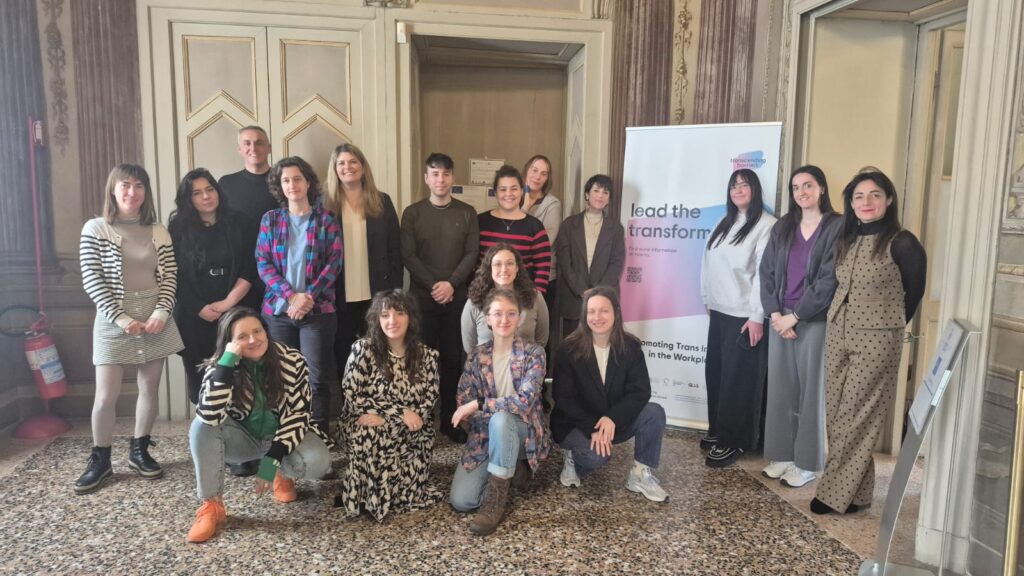
The project aims to fight discrimination against transgender people in the workplace by addressing both sides of the employment relationship: employers and trans individuals themselves. It targets HR professionals, managers, trans people, and policy-makers, providing training, tools, and methodologies to promote inclusion and equality at work.

OBJECTIVES

  • Increase awareness and skills of HR professionals and managers to prevent stereotyping, stigmatization, and discrimination against transgender people.
  • Improve knowledge about discrimination faced by transgender people in employment and identify practical solutions to address it.
  • Strengthen HR capacity to protect trans employees’ rights and promote diversity and inclusion in workplaces.
  • Empower trans individuals through tools and activities that build assertiveness and labour-market participation.
  • Engage policy-makers and LGBTI NGOs to support sustainable and inclusive equality strategies within the European Union context.

SUPPORT

AT A GLANCE

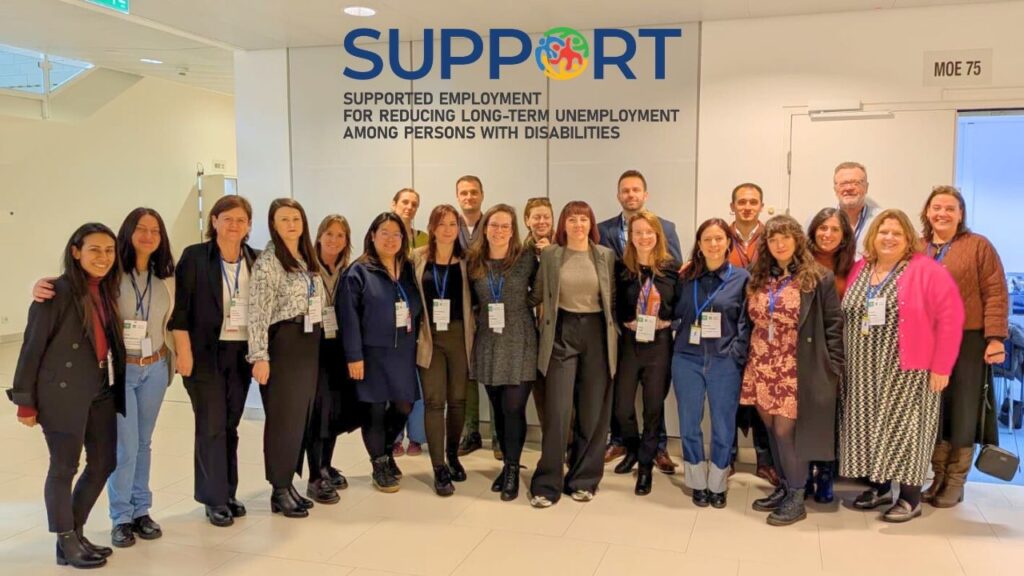
This project addresses long-term unemployment among Persons with Disabilities (PwD) and vulnerable groups by building strong local partnerships between jobseekers, employers, and employment services. It delivers personalised, accessible support through a “place-then-train” approach that promotes direct inclusion in the open labour market. The initiative also pilots innovative social economy models in selected areas while strengthening employer engagement. Evidence will be gathered in eight focus countries to adapt and scale effective practices locally. Finally, the project will disseminate best practices and lessons learned to ensure sustainability and future replication.

OBJECTIVES

  • To collect comprehensive data on the current employment landscape for Persons with Disabilities in 8 focus countries, in order to develop adaptation plans for the transfer and scale-up of 2 selected practices at a local level.
  • To address barriers to sustainable employment for Persons with Disabilities by training Service Providers (SP), Employers, and Employment services through the organisation of 30 ad-hoc training sessions.
  • To foster partnerships on Social Economy (SE) amongst local employment actors by creating 1 informal network structure in each of the targeted areas.
  • To share best practices and lessons learned for future exploitation.

The Youth Social Act Erasmus+ project reunites 25 young people in Thessaloniki to promote active citizenship in local governance

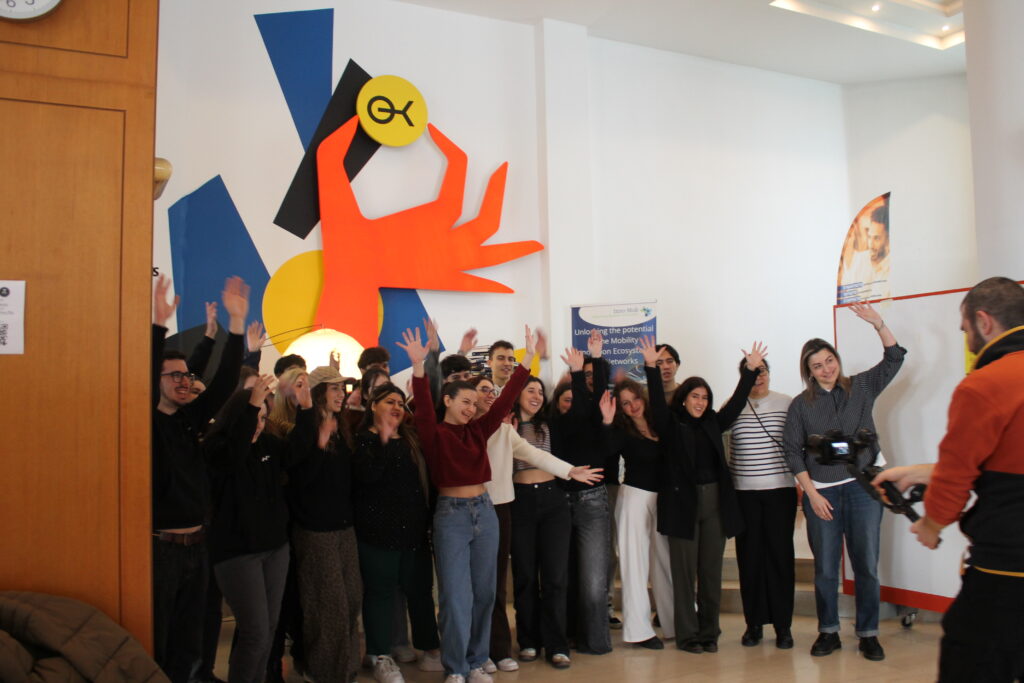
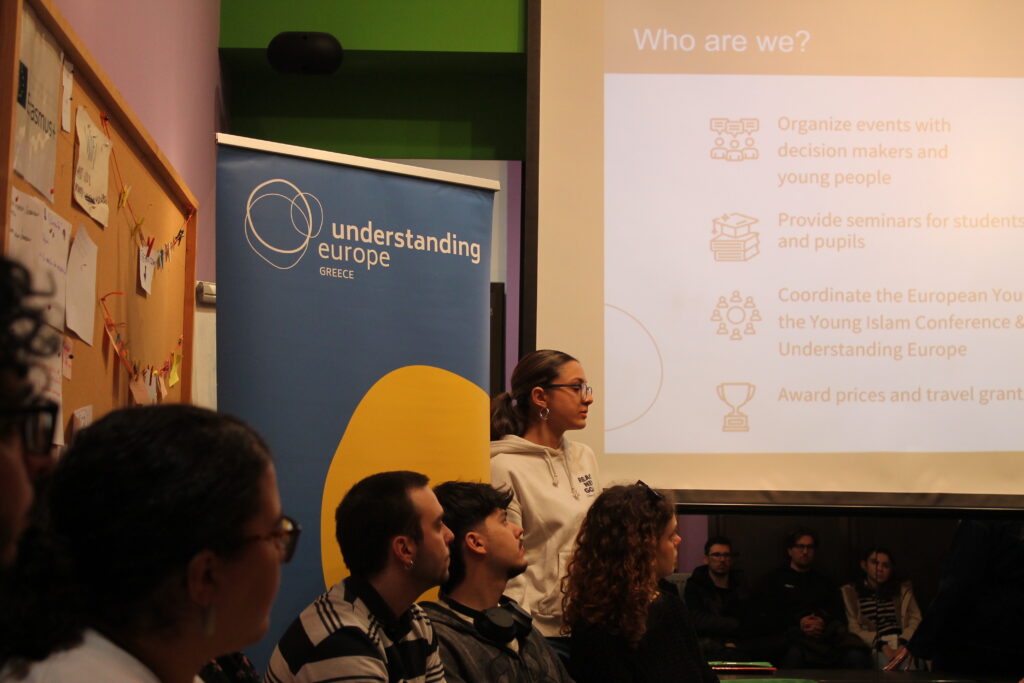
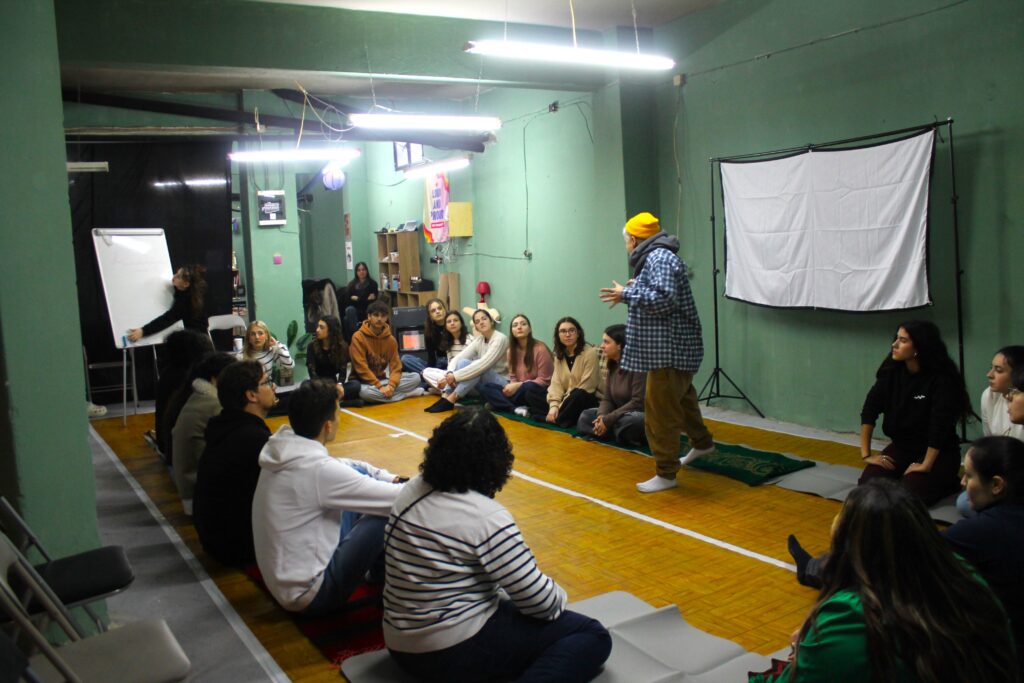
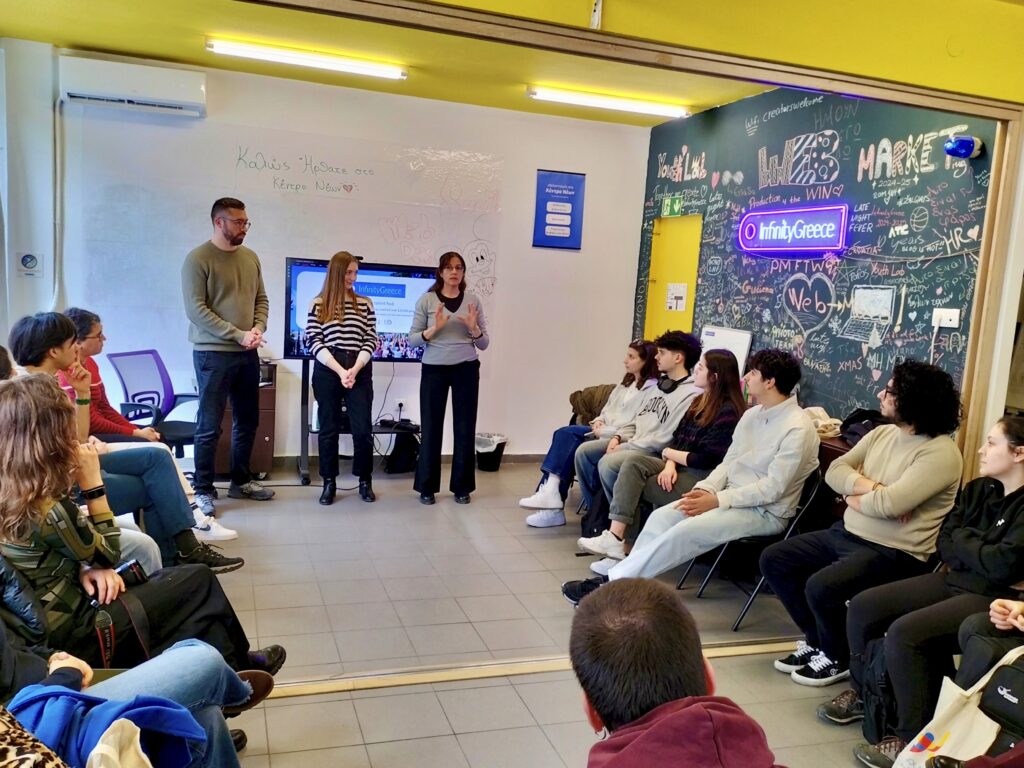
From 9 to 13 February, 25 young people coming from Cyprus, Greece, Italy, France and Portugal gathered in Thessaloniki (Greece) to participate in a study visit organised under the framework of the Youth Social Act Erasmus + project.

5 different countries, 25 different backgrounds, personalities and perspectives. But a common goal: learning how to promote alternative forms of social and civic youth participation in democratic life. 

After the September’s transnational training course held in Cyprus and the November’s videomaking workshop held in Strasbourg (France), ALDA sent 5 young participants from Strasburg to join this third part of the Youth Social Act project in Greece. 

A rewarding week marked by meetings and workshops with local associations

The Study Visit in Thessaloniki was hosted by the United Societies of Balkans (USB), our Greek partner organisation. It took the participant to meet several local realities which work everyday to promote civic engagement at a local level:

  • Infinity Europe, a social entrepreneurship aimed at helping youth develop digital, medi and entrepreneurial skills.
  • Understanding Europe, an educational network committed to foster democracy, diversity and participation.
  • Europe Direct Thessaloniki, the information center on the European institutions and opportunities.
  • In ContACT, a non-profit organization dedicated to promoting gender equality and justice in society.

All of them represented a source of inspiration for the participants who had the unique opportunity to directly learn from their practical experience and to start brainstorming with them possible local initiatives to strengthen civic society participation in democratic life. 

Unity in Diversity: how democracy promotion starts with understanding cultural differences

At the end of the week, the participants provided feedback on the study visit. For all of them, the overall experience was positive for different reasons. But there was a point which all 25 young people agreed on. Talking to each other and establishing connections, discovering the culture of France, Italy, Greece, Portugal and Cyprus, learning words and expressions from these countries, tasting their food, listening to their music, understanding their political and social system… This is what made the visit unique for all of them. 

About the Project

Youth Social Act is an Erasmus+ project aims at promoting alternative forms of active social and civic youth participation in democratic life, at local level. How? supporting youth initiatives co-designed, co-created and implemented by young people for young people. It focuses on six main priorities for youth: diversity, equality, equity and inclusion, involvement in decision-making processes, social inclusion and integration, sustainable green societies, healthy lifestyles, as well as cultural and creative diverse expressions.

On 24 February 2026, four years had passed since the beginning of Russia’s full-scale invasion of Ukraine. Over this period, Ukraine has endured destruction, displacement and prolonged uncertainty. Yet across regions and municipalities, democratic governance has not collapsed. Local councils continue to meet. Civil servants continue to serve. Communities continue to organise. In parallel with military resistance, a quieter but equally decisive effort has continued: preserving democratic institutions and preparing for recovery.

For ALDA, support to Ukraine has meant sustained institutional engagement, structured cooperation and operational presence at local level. The year 2025 marked a significant consolidation of this commitment, reaffirming that local democracy remains central to Ukraine’s resilience and European integration.


In 2025, ALDA played a key role in preparing and coordinating the Local and Regional Dimension of the Ukraine Recovery Conference 2025 in Rome (Italy). In partnership with the Italian Ministry of Foreign Affairs, ALDA ensured that municipalities, regions and local democracy actors were fully integrated into international recovery planning.

This coordination was the result of a structured preparatory process. Major international gatherings in Brussels, Wrocław, Vicenza, Kyiv and Lviv created platforms for dialogue between Ukrainian local authorities, European municipalities and institutional partners. These exchanges strengthened partnerships and aligned priorities ahead of the Conference, embedding decentralisation and participatory governance within the broader reconstruction framework.

During URC 2025, discussions on reconstruction highlighted the role of local self-government in resilience, inclusive planning and long-term sustainability. Through its engagement, ALDA reinforced the recognition of local authorities as key actors in Ukraine’s recovery and EU accession pathway.

The work continued beyond Rome. On 26–27 November 2025, ALDA organised in Lviv the Post-Ukraine Recovery Conference Forum, “Capitalisation and the Way Forward: Decentralisation and Local Governance at the Centre of Ukraine’s Reconstruction.” The Forum translated political commitments into operational dialogue, shaping priorities towards URC 2026.


On the occasion of the fourth anniversary of the invasion, a mission to Ukraine led by ALDA’s Secretary General, Antonella Valmorbida, reaffirmed ALDA’s long-term commitment to local democracy, institutional resilience and multi-level governance.

At a critical stage marked by ongoing war, structured recovery planning and tangible progress towards EU accession, sustained political presence and structured dialogue remain essential. The mission strengthened engagement with Ukrainian local and regional authorities, national associations, civil society stakeholders and European institutional partners, ensuring that recovery efforts remain democratic and institutionally grounded.


Throughout 2025, ALDA intensified cooperation with European institutions and governments. It contributed to the Committee of the Regions’ Alliance for the Reconstruction of Ukraine and maintained structured coordination with the Italian Ministry of Foreign Affairs on matters concerning local and regional democracy.

Strategic cooperation with the U-LEAD with Europe programme expanded significantly. Preparations were finalised for a joint initiative supporting sixteen municipalities across eight Ukrainian regions in drafting or updating municipal charters aligned with the renewed legal framework on people’s participation. The initiative combined technical assistance with participatory mechanisms, including a dedicated component empowering emerging women leaders in local governance.

Collaboration with the Central European Initiative further promoted regional dialogue and knowledge exchange on decentralisation reforms and recovery challenges, ensuring that Ukrainian communities remained embedded within broader European cooperation frameworks.


ALDA combined advocacy with operational assistance throughout the war, mobilising over €134,000 in humanitarian aid for Dnipro, Odesa, Vinnytsia and Poltava. Assistance included emergency relief, shelter refurbishment, healthcare equipment, generators and psychosocial services for internally displaced persons and veterans, safeguarding essential services such as those at the Odesa Regional Children’s Hospital.

Youth exchanges and municipal partnerships continued through initiatives such as Bridges of Trust and the TIPS4UA internships in Barcelona (Spain), reinforcing EU–Ukraine peer exchange. Hate-speech prevention, participatory governance and green reconstruction were further advanced through the G.R.A.I.N. pilot and the ALDA Talks series on Green Reconstruction.

At the beginning of 2026, energy resilience re-emerged as a critical priority. On 13 February 2026, ALDA convened a Joint Coordination Meeting on Energy Needs and Support for Ukrainian Communities, gathering national associations of local authorities, municipalities, Local Democracy Agencies and European partners. A structured operational document detailing technical specifications and priority needs now guides coordinated equipment provision and financial support, ensuring that assistance reaches the most affected communities.


A cornerstone of ALDA’s presence in Ukraine is the development of Local Democracy Agencies (LDAs), locally based organisations supported through multilateral decentralised cooperation.

  • LDA Mariupol focused on psychosocial recovery and youth empowerment, delivering hundreds of individual consultations and group sessions, and organising youth exchanges promoting civic participation.
  • LDA Kharkiv Region inaugurated its office in the historic Derzhprom building, reinforcing institutional continuity in a region exposed to ongoing risks, while conducting evidence-based territorial analysis.
  • LDA Dnipropetrovsk contributed to parliamentary work on Draft Law No. 6319 on self-organisation of the population, while facilitating bilateral municipal exchanges.
  • LDA Vinnytsia, officially registered in 2025, rapidly positioned itself as an interlocutor on decentralisation and secured its first institutional grant from the Council of Europe.
  • LDA Odesa was relaunched in December 2025, supporting communities with generators to ensure continuity of essential services.
  • LDA Ovruch, established in 2025, initiated dialogue on energy transition in crisis contexts through international cooperation.

Together, these Agencies demonstrate that decentralisation in Ukraine remains active, adaptive and forward-looking.


On the fourth anniversary of Russia’s full-scale invasion of Ukraine, ALDA members and partners mobilised across Europe to commemorate the victims of the war, express solidarity with Ukrainian communities, and reaffirm their commitment to local democracy and recovery.


Four years after the full-scale invasion, Ukraine’s resilience is visible not only in national decisions but in the continued functioning of municipalities, civic initiatives and local institutions.

Throughout 2025, ALDA combined international coordination, institutional partnership and operational support on the ground. By strengthening decentralisation, reinforcing participatory governance and expanding the LDA network, it has helped ensure that local democracy remains a cornerstone of Ukraine’s recovery and European integration.

On this fourth anniversary, we invite our members and partners to observe a minute of silence in remembrance of all victims of the war and in recognition of the resilience of Ukrainian communities.
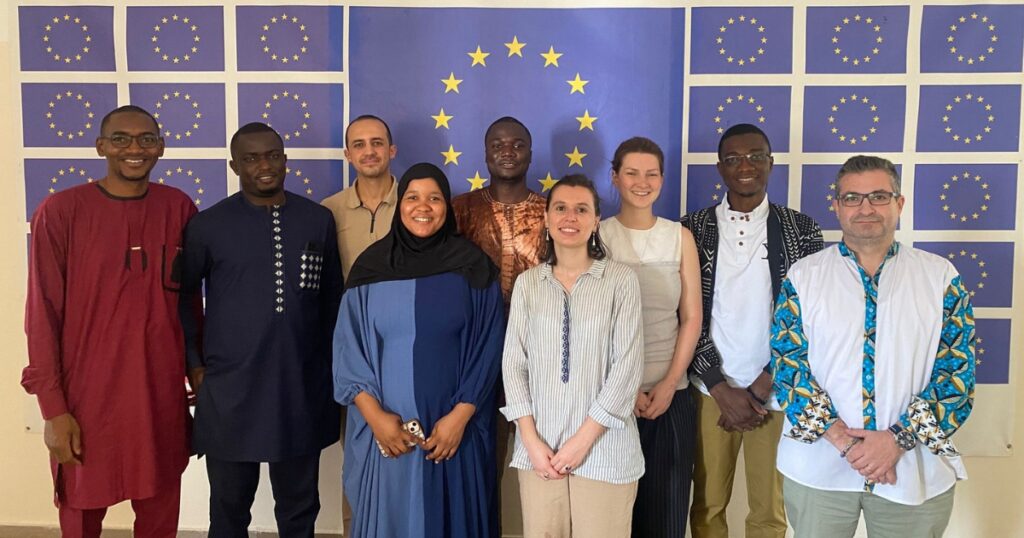
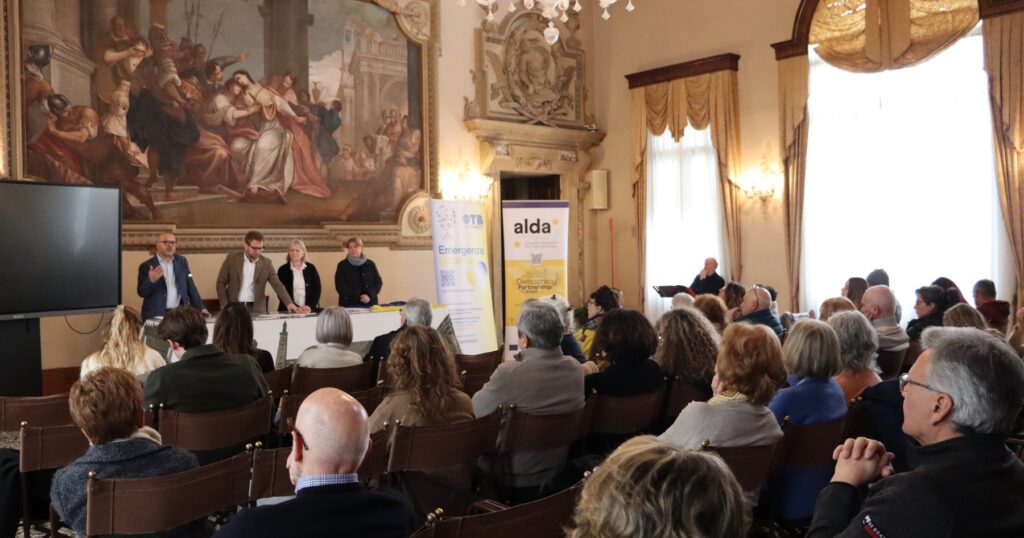
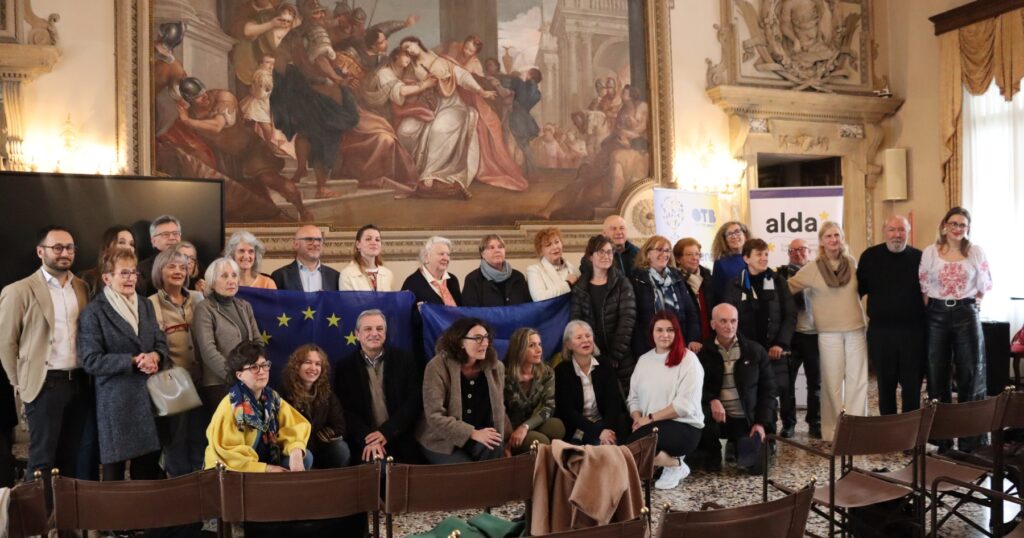
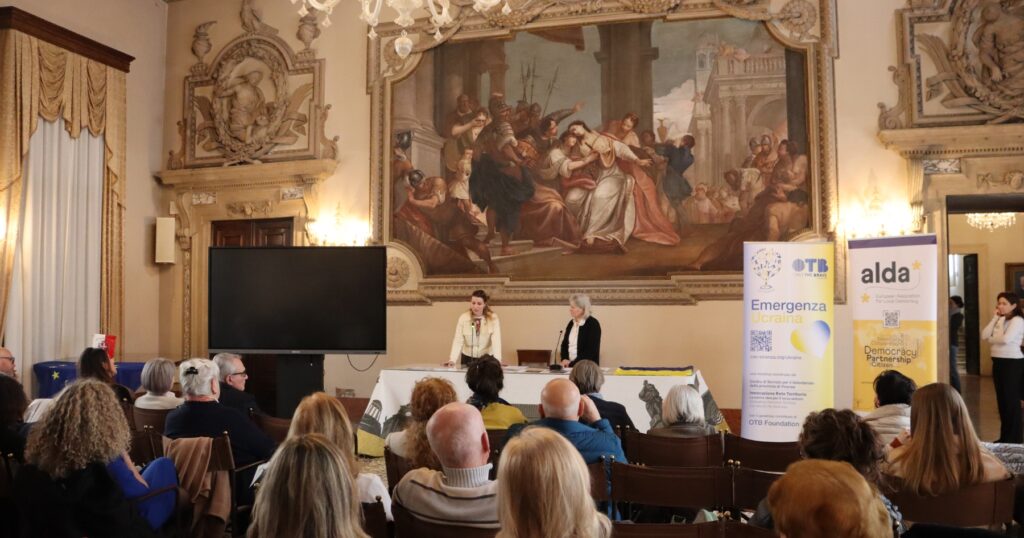
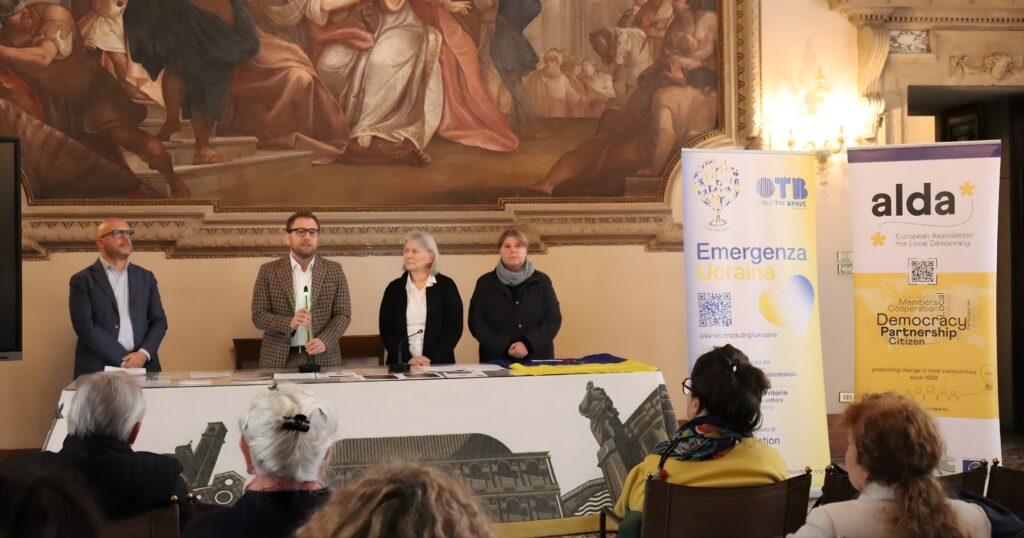
On 24 February 2022, war returned to the heart of Europe with the invasion of Ukraine. Four years on, the Sala Stucchi at Palazzo Trissino welcomed an important event hosted by Comune di Vicenza, ALDA, and CSV Vicenza, and dedicated to the organisations and individuals who have stood alongside Ukraine and its people since the outbreak of the conflict.


The event opened with remarks from the Mayor of Vicenza, Giacomo Possamai, who expressed his gratitude to the many local organisations and citizens who, over the past four years, have worked tirelessly in support of the Ukrainian population. He reiterated the urgent need to pursue a just peace, one that does not bend to the logic of war, but instead places the dignity of human beings at its centre.


The Mayor also recalled the City of Vicenza’s pact of friendship with the Ukrainian city of Zhytomyr – made possible through ALDA’s longstanding role in bringing local authorities together across Europe and beyond, as well as the network established with Ukrainian mayors. Such relationships, he stressed, are essential to ensure that a population enduring immense suffering does not feel isolated.


Speaking on behalf of ALDA, Vice Secretary General Marco Boaria recalled that the organisation was itself born in the aftermath of conflict in the Balkans, with a mission to rebuild trust, democratic institutions and local governance in war-torn societies. That origin, he stressed, explains why ALDA today feels a particular responsibility to support Ukraine.

“We would have wished to celebrate something different today, yet instead we find ourselves working within a conflict, while holding firmly to an idea of the future.”

His words resonate all the more strongly as ALDA’s Secretary General, Antonella Valmorbida, is currently on mission in Ukraine. At the heart of this engagement stands ALDA’s flagship initiative in the country, with the opening of six Local Democracy Agencies aimed at fostering structured cooperation between local authorities, civil society and international partners, and ensuring that reconstruction efforts are participatory and grounded in democratic values.


ALDA’s strong commitment to Ukrainian reconstruction is rooted in its founding experience: lasting peace depends not only on rebuilding infrastructure but also on restoring relationships, strengthening communities, and ensuring democratic participation. “Bridges are essential,” he emphasised, “between citizens and institutions, and between Ukraine and its European partners”.


In this spirit, ALDA will soon formalise its registration in Kyiv, reinforcing a long-term presence in the country. Its work remains grounded in the conviction that renewal begins at the local level, and that from strong local democracies a just and durable peace can emerge.


The Vice President of CSV Vicenza (#ALDAMember), Maria Grazie Bettale, and the Director, Maria Rita Dal Molin, then recounted the extraordinary mobilisation of institutional and civil society actors across the territory. Through coordinated efforts, buses were arranged to welcome 440 people fleeing Ukraine, offering not only shelter but also a network of solidarity and practical support.


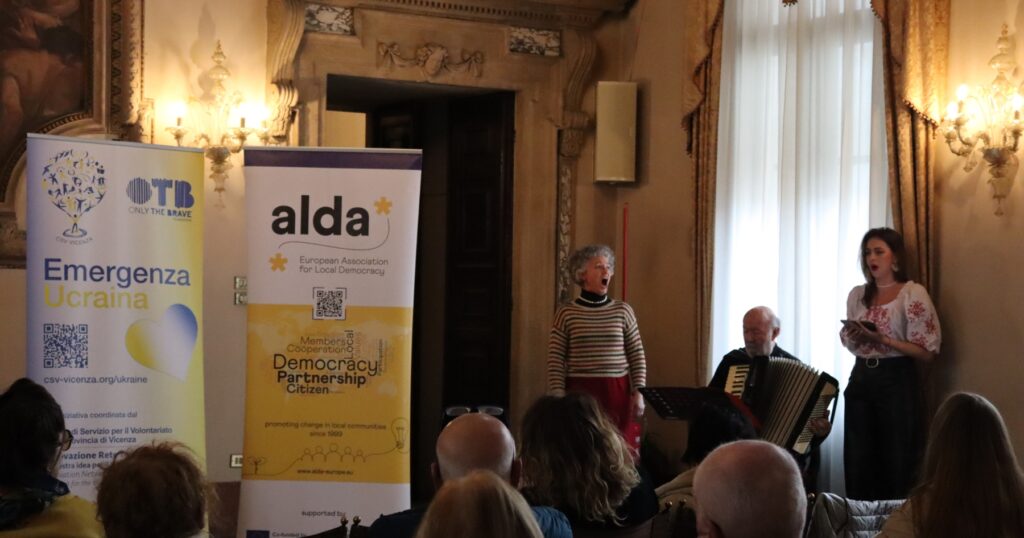
The morning continued with a moment of profound symbolic significance. Under the guidance of Maestro Giuliano Fracasso, and with the voices of Alessandra Caruccio and Anhelina Dolhova, the national anthems of Italy and Ukraine were performed. The music lent both solemnity and emotion to the occasion, setting the tone for the personal testimonies that followed.


Anastasiia Buslaieva, ALDA’s Ukraine LDA Coordinator, was the first to speak. “My family and I had to flee Ukraine. It was the toughest decision, yet we found out there are so many good people out there,” she said, expressing her gratitude. “The work carried out in Vicenza allows us to build a future in a safe place and to remain useful for our families in Ukraine.” Her words encapsulated the spirit of resilience and mutual support that has characterised these four years.


Families who had welcomed Ukrainian guests into their homes, alongside those who had been received, shared reflections on the opportunities for reciprocal growth that such encounters have created. Their experiences illustrated how solidarity, when rooted in genuine human connection, can help build a society oriented towards peace.


Four years after the outbreak of war, the message from Vicenza was clear: solidarity must not falter, and the pursuit of a just and lasting peace remains both a moral imperative and a collective responsibility.

On 10 March 2026, policymakers, practitioners, researchers and digital inclusion advocates will gather in Brussels (Belgium) for the official launch of All Digital Weeks 2026, under the central theme: “Digital well-being for a competitive Europe.”

As digital tools become increasingly embedded in everyday life, they shape not only how we work, learn and communicate, but also how we feel, behave and relate to others. While digitalisation offers vast opportunities for innovation, growth and democratic participation, it also raises fundamental questions regarding wellbeing, safety, inclusion and rights.

The launch event will open a shared reflection on how Europe can support digital transformation that strengthens people, rather than overwhelms them.

Europe’s competitiveness depends not only on technological advancement, but also on the capacity of its citizens to engage confidently and meaningfully in digital society. Healthy digital habits, inclusive systems and rights-based approaches to technology are essential to ensuring that digitalisation supports social cohesion and democratic resilience.

Digital well-being goes beyond individual screen time management. It encompasses:

  • The ability to participate safely and autonomously online
  • Protection of fundamental rights in digital environments
  • Inclusive access to digital education and skills
  • Responsible approaches to AI and emerging technologies

By placing digital well-being at the centre of the 2026 campaign, All Digital Weeks recognises that a competitive Europe must also be a fair, safe and inclusive one.


The event will bring together:

  • EU and national representatives working on digital education, skills and inclusion
  • Members of the All Digital network and practitioners in digital equity and wellbeing
  • Researchers and experts in online safety, digital rights and responsible AI

The programme combines high-level policy reflection with interactive exchange.

At a time when AI systems are rapidly evolving and online environments are increasingly complex, the conversation around digital well-being is no longer optional but a policy necessity. Bringing together practitioners and decision-makers in a hybrid format ensures that diverse perspectives can contribute to shaping forward-looking solutions.

If you work in digital skills, education, policy, inclusion or responsible technology, this discussion offers a valuable opportunity to engage with peers and contribute to a shared European vision for healthier digital participation.

This contribution explores how the integration of migrant people into the labour market has become today a strategic lever for economic growth and social cohesion. Starting from the Greek context and the new European policies on migration and labour mobility, the article highlights the role of initiatives such as AMIL in promoting sustainable inclusion pathways and responding to the demographic and employment challenges facing the European Union.

This perspective is particularly applicable to the situation faced by Greece and by extension the European Union. There, the need for integration and active participation of the labour force becomes more urgent and strategic than before. For most countries across Europe, labour needs and changes in population demographics are contributing to how migration issues are being viewed.

It is at this intersection of policy-making process, practice, and human-centered assistance that exists the AMIL Project, which consists in a program for integrating migrant people into the Greek economy via a dual approach to encouraging both employers and migrants to enter their labour sector.

Migration in Greece: A Changing Context

Greece remains an important entryway into Europe for people affected by war, poverty, and instability. Its geographic location makes it a critical entryway into Europe. As such, it remains at the forefront of migration routes into Europe and poses the need to continue receiving and protecting migrant and refugee people and effectively managing borders.

The recent sea tragedies are sending ripples of regret and concern on how to mitigate such losses in the future. Beyond the immediate morbidity and mortality statistics, however, another challenge confronts Europe: what happens after arrival?

It is not just reception alone. Further access to employment possibilities and active economic involvement is required to release integration progress. At the same time, Greece’s labour market is characterised by structural and long-term labour shortages.

Employers are increasingly facing difficulties in filling vacancies in:

  • Tourism and hospitality;
  • Agriculture and food production;
  • Construction and infrastructure;
  • Seasonal and regional services;
  • Care and support roles.

The disparity is fueled not only by apprehension about demand over time, but also a range of structural factors, like an aging population and a shortage of skills. In many parts of the world, an absence of workers is already a challenge even in peak seasons. Hence, a hard truth is being recognized today, both at the governmental as well as the corporate level, that a part of the answer to the challenge of sustaining economic growth is, in fact, migrant workers.

The EU’s New Five-Year Migration Strategy (2026-2030)

Hence, this change at the national level is in tandem with what is happening at the EU level. Indeed, on 29 January 2026, the European Commission presented the first-ever European Asylum and Migration Management Strategy, which sets out a framework for the management of migration, asylum, and labour mobility across the European Union for the next five years. It puts legal migration and integration at the heart of Europe’s prosperity, recognizing that labour mobility is vital for competitiveness and demographic sustainability.

Its priorities include:

  • Creating safe and legal channels consistent with labor market requirements;
  • Improving the recognition of skills and qualifications;
  • Accelerating Access to Employment for Newcomers;
  • Strengthening cooperation with our partner countries through talent partnership strategy;
  • Balance protection/solidarity and responsibility among Member States.

Such an approach is indicative of an important shift, as integration is not considered just another result but an initial and essential process. Such an approach is also beneficial for countries that have to balance immigration and labor shortages, as is the case with Greece.

How AMIL Fits into This New Reality

In this new policy environment, the two-pronged approach of the AMIL Project is more pertinent than ever.
Its foundation is pragmatic: “Integration is only possible if both sides of the labour market are ready at the same time”.

  • Strengthening the Private Sector for Inclusive Hiring
    Many Greek businesses are willing to hire third-country nationals but lack the operational know-how. AMIL’s training interventions are designed to support HR professionals, hiring managers, and team leaders to address the complexities they face, employment law and their legal obligations, linguistic and cultural diversity, and inclusive hiring and team performance. Inclusive hiring is not just about good intentions: it is about doing something. Businesses are given the training and the confidence to make their inclusive hiring a reality.
  • Supporting Migrant people with Personalized Integration Pathways
    On the other hand, migrant people face different and complex barriers, which are not only related to their lack of networks, linguistic, and cultural difficulties but also their unfamiliarity with the workplace.
    AMIL addresses these issues through a personalized and human-centred approach, which includes skill assessments, career guidance, job preparation and training, workplace language training, mentoring, and guidance, as well as internships, vocational training, and actual employment.
    Rather than focusing on the migrant population as a whole, the AMIL Project recognises the diversity and uniqueness of this population and approaches them as such. Its aim is not just employment but sustainable participation and confidence.

Why This Combination Works

The real power of AMIL, therefore, is in how these two elements complement each other. As individuals become more skilled and ready, employers also become more skilled and ready. And when opportunities emerge, they are ready to seize them.

The complementarity:
– Accelerates hiring;
– Enhances matching;
– Lowers turnover;
– Fosters cohesion;
– Generates long-term employment.

In other words, it matches supply and demand, and everybody benefits from this.

Why This Matters for Greece and Europe

The current state of Greece’s labour market and demographics require solutions that are not only effective but also scalable. Moreover, the EU’s renewed approach to migration policy requires more effective connections between migration policy and economic activity. Initiatives such as AMIL illustrate how these different requirements can intersect in practice.

In so doing, AMIL demonstrates that inclusive labour migration is not a burden but a strength – a facilitator of productivity, resilience, and social cohesion.

This translates into the following for Greece:
– Thriving businesses.
– Bridging the labour gap.
– Leveraging migrant people’s contribution.
– Building communities through participation.

And into the following for Europe: a scalable model of integration that is collaborative, structured, and smart.

The answer to effective and sustainable integration, therefore, lies not in helping migrant people find jobs. But in creating labour markets and societies that allow all to contribute.
And in today’s Europe, that is not just good policy. It is essential!

Across Europe, many citizens living in remote and rural areas face structural barriers to accessing information about the European Union, understanding how EU decisions affect their daily lives, and engaging meaningfully in democratic processes. Distance from administrative centres, limited access to tailored information, weaker infrastructure, and fewer opportunities for direct interaction with policymakers can all contribute to a growing sense of disconnection.

Yet remote places are not peripheral to democracy — they are essential to it.

From mountain regions and islands to border territories and sparsely populated municipalities, rural areas represent a significant part of Europe’s social, cultural and economic fabric. They are spaces of innovation, resilience and community life. However, when citizens in these areas perceive European institutions as distant or abstract, the risk is not only lower participation — but also weakened trust in democratic governance more broadly.

Democratic legitimacy depends on inclusion. If access to information, participation opportunities, and institutional dialogue are unevenly distributed geographically, democratic processes risk reinforcing territorial inequalities.

Several European debates, from cohesion policy to agricultural reform, climate transition, digitalisation, and mobility, have direct and tangible implications for rural communities. Yet research and policy discussions often highlight a persistent gap between EU policymaking and citizens’ lived realities in remote areas. This gap can lead to misunderstanding, disengagement, or susceptibility to polarising narratives.


Ensuring that citizens in remote territories:

  • understand how EU policies affect their local development,
  • feel represented in European debates,
  • and have channels to voice their perspectives,

is fundamental to reinforcing democratic resilience across the continent.

Within the framework of the CERV-funded ProVote project, ALDA is launching a questionnaire and a call for best practices entitled:

The initiative seeks to explore key questions such as:

  • How accessible and understandable is EU-related information in remote areas?
  • Do local communities perceive EU policies as relevant to their realities?
  • What channels are most effective in reaching citizens outside urban centres?
  • What innovative practices have successfully enhanced participation and trust?

By gathering insights from local authorities, civil society organisations, practitioners, and engaged citizens, ProVote aims to identify both structural challenges and promising grassroots solutions. The objective is not only to analyse the problem, but to amplify practices that work — and to promote stronger multi-level cooperation between local actors and European institutions.

We invite you to:

  • Complete our short questionnaire to share your perspective;
  • Submit a best practice demonstrating how EU information, civic engagement, or democratic participation has been strengthened in a remote or rural context.

Best practices may include:

  • Innovative communication strategies;
  • Participatory initiatives adapted to rural realities;
  • Youth engagement in remote communities;
  • Capacity-building or civic education initiatives;
  • Multi-level cooperation between local and European actors.

Your contribution will directly feed into discussions at the ProVote event taking place on 10 March in Brașov, Romania, where stakeholders from across Europe will gather to reflect on how to bridge the gap between EU institutions and remote territories. Participants who complete the questionnaire or submit a best practice may win a trip to one of ProVote’s upcoming events across Europe. This represents an opportunity to connect with peers, exchange experiences, and actively contribute to shaping more inclusive democratic processes.

Deadline: Friday 6 March.

Europe’s democratic future cannot be built solely in capitals and metropolitan centres. It must also be nurtured in villages, mountain regions, islands, and border communities — where democratic participation is often strongest at the local level, yet most in need of structural support.

By contributing to ProVote, you help ensure that no territory — and no voice — is left behind!

In the first week of February 2026, ALDA actively took part in the Youth Climate Action Network (YCAN) Kick Off meeting in Nairobi, Kenya. Represented by Project Manager Abdelaziz Bouslah alongside youth workers Giulia Sostero and Valeria Fantini, ALDA contributed to workshops, interactive sessions, and discussions designed to empower young people to address climate change.

The program began with participant registration and an interactive icebreaker hosted by Asociación Mundus and The Youth Café. ALDA led sessions for Work Package 5: Communication, Awareness, and Community Building, sharing strategies to strengthen youth engagement and enhance climate awareness at the community level.

A highlight of the week was the interactive presentation made by Tess Gitau, Environmental Scientist and Global Co-facilitator for the Women’s Major Group at UNEP, who discussed Environmental Studies and Youth Engagement with a Representative of the Catholic Youth Network for Environmental Sustainability in Africa (CYNESA).

Beyond the workshops, attendees explored Nairobi’s natural and cultural landscape through a guided safari at Nairobi National Park and city tours that showcased sustainable urban development efforts.


Throughout the week, workshops focused on youth perspectives on climate change, mobility opportunities for young people, and practical ways youth workers can drive environmental action in their communities. ALDA’s team contributed insights on project management, digital tools, and community engagement, facilitating knowledge exchange and practical skill-building among participants.

By the end of the YCAN activities, young people from Europe and Africa had collaborated to identify climate challenges, share solutions, and develop plans for joint future actions.

A Call for Proposal for Organisations to develop their own projects on EU key values. A Call for ALDA members to fund local actions up to 15.000 Euro!

ALDA, in the context of the Operating Grant of the CERV programme, will support initiatives which align with ALDA Thematic Hubs.

Don’t miss this opportunity to participate: 12 projects will be funded!

The Call is open to legal entities, private non-profit organisations (private bodies), established in an EU Member State, which must be members of ALDA before the launch of this call. 

This call for proposals aims to support initiatives and actions aimed at strengthening local democracy and local communities and at enhancing citizens’ active participation in democratic life. Actions should promote inclusive, participatory and community-led processes that engage local actors and decision-makers, encourage a sense of belonging and shared responsibility, and translate European rights and values into tangible local practices.

The actions must align with the priorities set by ALDA’s Thematic Hubs. Proposals should clearly identify the thematic hub under which their action falls and how it contributes to the overarching goals within that theme.

  1. Environment & Climate HUB

The Environment & Climate Hub connects citizens, institutions, and local authorities to address environmental challenges and advance the green transition, focusing on four priorities: climate change adaptation and mitigation, green skills and education, circular economy, and an inclusive transition. 

The two key priorities for this year’s call are: 

  • Inclusive transition: supporting engagement and capacity building that is inclusive and “leaves none behind”, recognising the role of citizens in shaping environmental policies and actions and promoting inclusive environmental citizenship.
  • Local citizens’ engagement in climate action: strengthening cooperation and synergies among local actors working on the green transition, and supporting community-based climate initiatives. 
  1. Digital and Innovation HUB

The Digital & Innovation Hub focuses on the intersection of digital technologies and democratic processes. It advocates for an ethical, inclusive, and accessible approach to digital transformation, ensuring that new tools strengthen rather than undermine local democracy and citizen engagement.

The two key priorities for this year’s call are:

  • Online participation and e-governance to make local decision-making more transparent and inclusive.
  • Media & information literacy, including prebunking/debunking disinformation.
  1. Gender Inclusion & Human Rights HUB
  • Advancing gender-responsive civic participation and governance.Support initiatives that enhance women’s, young girls’ and marginalised group’s representation and participation in politics, leadership roles and society as a whole.
  • Promote and foster human rights and social justice initiatives that protect and advocate for fundamental rights, combat discrimination and support marginalised communities through education, dialogue and community-based initiatives that challenge stereotypes and systemic exclusion.
  • Countering hate speech and gender-based violence: campaigns, training and advocacy efforts that challenge harmful narratives and promote safe, respectful environments. 
  1. Migration HUB
  • Support active meaningful participation and local inclusion of people with migrant backgrounds (immigrants, refugees, undocumented, diaspora, on the move with living migration experience) in decision-making processes starting from the local level.
  • Promote innovative community-led initiatives at the local level that foster inclusion and bring benefits to both migrant and host communities.
  • Capacity-building, knowledge-sharing, combat mis/disinformation, de-centralized and decolonized approaches toward integration, advocacy activities that promote positive narratives for key actors working in the migration sector.
  1. Youth Empowerment & Education HUB

The Youth Empowerment and Education hub’s activities include capacity building and training activities for young people and youth workers, advocacy for the benefits of young people and their meaningful participation in political life and society. 

The key priorities for this year’s call are: 

  • Advance the capabilities and political education of young people to ensure their meaningful participation in political life and society.
  • Encourage and support local democratic actors working with and for young people.
  • Ensure the representation of these local democratic actors at the European level. 
  1. Territorial and Local Development HUB
  • promoting concrete initiatives about SDGs localisation, in particular focused on SDG11 – make cities and human settlements inclusive, safe and sustainable 
  • increasing knowledge and/or experimenting citizens participation on urban regeneration, common uses of public spaces and housing
  • contributing to community-led territorial development and cultural heritage, especially enhancing local productive, economic, and cultural chains (for instance, sustainable tourism, historical/cultural routes)

The contribution from the sub granting scheme will cover 100% of the total eligible costs of the total budget for the activity

The grants awarded will be: 15.000 Eur each, 12 projects in total.

Activities must take place in the EU.

Read the full Call for Proposals to have all the information about the call and how to apply. The Call will be open until April 1st 2026 at 23:59 CET. Here is the link to send your application. 

On March 4th ALDA hosted a webinar to present the call and to answer some questions related to it. You can find below the recording of the session.

The applicants will receive support by the ALDA team during the proposal writing process. Any questions can be sent to this email address: regranting@alda-europe.eu

Useful material and links:

[Call published on February 17th 2026]

Find the slides of the Q&A Session here. The recording can be found below.

AT A GLANCE

I-Civic addresses some of today’s most pressing social and democratic challenges, including the rise of authoritarianism, declining civic engagement – particularly among young people – growing democratic deficits, vulnerability to misinformation, limited critical digital literacy, and persistent socio-economic and inclusivity gaps.

It responds to the disconnect between schools and their surrounding communities, where educational institutions often operate in isolation from museums, NGOs, cultural organisations, and local governments, limiting opportunities for meaningful, community-based democratic learning.

To tackle these issues, the project develops innovative, interdisciplinary approaches to democratic education that strengthen critical thinking and equip learners to navigate the digital landscape responsibly. By connecting formal education with real-life community contexts and local governance, it seeks to make democracy part of everyday experience. Through strong international exchanges, researchers and practitioners collaborate across countries to compare contexts, test ideas, and co-create new, practical models of democratic learning.

OBJECTIVES

The primary goal of the I-CIVIC program is to establish a comprehensive and multidisciplinary network of international experts, fostering cross-sector collaboration to address the complexities and ramifications of democratic engagement, civic participation, and digital literacy

The project also aims to:

  1. Identify and address gaps in democratic education, youth engagement, inclusivity, and resilience to misinformation.
  2. Develop innovative, scalable community-based models and digital tools for democratic learning across Europe.
  3. Promote inclusive practices that respond to socio-economic, cultural, and gender-based inequalities.
  4. Strengthen research and training capacities of educators, researchers, and community leaders through interdisciplinary collaboration.

AT A GLANCE

MED-Hubs is a European initiative aimed at strengthening the Western Mediterranean blue economy by turning cutting-edge ideas into market-ready solutions. The project establishes two interconnected Blue Economy hubs: one in Spain, focused on marine renewable energy, and one in Italy, dedicated to sustainable fisheries and aquaculture. Together, these hubs create a strong interregional ecosystem for collaboration, innovation, and technology validation.

Through open calls for pilot projects, MED-Hubs tests emerging solutions in real operating conditions, increasing market confidence and supporting their uptake by industry and public authorities. The project brings together SMEs, startups, researchers, ports, fisheries, investors, policymakers, and coastal communities to jointly shape a more sustainable and competitive blue economy.

ALDA leads the stakeholder engagement activities, ensuring the active involvement of public authorities, civil society, and interregional partners across Europe. By fostering participation, dialogue, and community building, ALDA helps ensure that MED-Hubs remains inclusive, participatory, and firmly rooted in regional needs, while supporting the project’s long-term replication and expansion efforts.

MED-Hubs also promotes knowledge exchange, mentoring, and networking through a growing community of blue economy professionals. All interested stakeholders are invited to take part in events and activities and to join the MED-Hubs Community at www.deep-ecosystems.com/med-hubs.

OBJECTIVES

The Western Mediterranean blue economy holds significant potential for sustainable growth, yet many innovative solutions struggle to move from research and experimentation to market deployment. MED-Hubs addresses this challenge by bridging the gap between innovation and market uptake through interregional cooperation and real-life testing environments.

The project aims to:

  1. establish and operate two interregional innovation hubs focused on marine renewable energy and sustainable fisheries and aquaculture;
  2. foster collaboration among SMEs, startups, investors, research institutions, policymakers, and coastal communities within a quadruple helix framework;
  3. support the development, testing, and validation of innovative solutions through open calls, pilot projects, and a tailored “From Idea to Market” upscaling process;
  4. increase trust and adoption of new technologies through the “Trusted Pilots” approach;
  5. strengthen interregional partnerships and facilitate the replication of successful solutions through an Expansion Program.

By promoting sustainable practices, innovation, and cooperation, MED-Hubs aims to drive blue growth, create jobs, enhance regional competitiveness, and empower coastal communities, contributing to the development of a resilient and sustainable European blue economy.

This past week in Vicenza (Italy), colleagues from across Europe and beyond came together for ALDA’s annual Staff Meeting, a key moment for strategic alignment and renewed collective purpose. At a time marked by uncertainty, rapid transformation, democratic backsliding and the rise of artificial intelligence, gathering under one roof was not merely symbolic; it was essential. It strengthened our cohesion as a team and reaffirmed our shared commitment to our core mission: promoting and strengthening democracy at the local level.

On 9 and 10 February 2026, ALDA’s Coordination Board, bringing together the Heads of Departments, Regional Units and ALDA’s offices, engaged in an in-depth working session focused on the organisation’s key achievements and the promising developments ahead. The meeting provided a valuable opportunity to reflect on our results, assess our strategic direction and reaffirm the ambition that continues to guide ALDA forward with clarity, coherence and determination.

After dedicated exchanges with the Thematic Hubs Coordinators on current challenges and future opportunities, the entire team reconvened from 11 February onwards.

Marco Boaria, Executive Director and Deputy Secretary General of ALDA and CEO of ALDA+ , presented a renewed organisational pathway for the years ahead. Recalling ALDA’s origins and founding vision, he underscored the importance of evolving with purpose and coherence. The proposed direction will unfold through a structured, step-by-step process, reinforced by strengthened capacity-building and a more strategic use of resources. The message was unequivocal: sustainable growth demands discipline, foresight and collective engagement. The day concluded with a clear sense of direction and a shared commitment to the responsibilities that lie ahead.

On Thursday, February 12, the ALDA staff was honoured to be welcomed by Isabella Sala, Deputy Mayor of the Città di Vicenza, who recognised the organisation as a valuable presence for the local territory. She underscored the importance of keeping democracy central to every initiative and highlighted the urgency of engaging young people more actively in democratic structures, enabling them to become protagonists in shaping the systems that affect their lives, beginning at the local level.

“Having ALDA in the beautiful city of Vicenza is a true gift. Acting as a bridge between citizens and institutions, ALDA contributes to empowering communities, and empowered communities are the foundation of a healthy society.”

Said Isabella Sala.

Antonella Valmorbida, Secretary General of ALDA, who took the floor at a later stage, brought into sharp focus the guiding principle of our work. As she reminded us:

“Democracy must not remain an abstract ideal. It must translate into tangible improvements in people’s daily lives. It must empower communities, engage young people, strengthen participation and foster trust in institutions. Delivering democracy means building networks that function, partnerships that endure and projects that generate lasting impact. It requires professionalism, adaptability and, above all, commitment.”

Her words crystallised the core message of this year’s meeting: we want a local democracy that delivers — and we will act accordingly. This is the standard by which we define success. It challenges us to ensure that our work generates measurable impact, strengthens communities and reinforces democratic values in concrete and lasting ways.

Throughout the meeting, we reflected on our shared responsibility — both as citizens and as professionals — to defend and cultivate democracy in an increasingly complex socio-political environment. One message emerged clearly: our strength lies in unity. The collective expertise of our teams, the dedication of our staff, our ability to innovate and differentiate, and the steadfast commitment of our partners form the foundation upon which meaningful impact is built.

On Thursday afternoon, the entire team engaged in a series of bilateral and trilateral meetings, creating a valuable space for open dialogue and constructive exchange. These focused discussions allowed colleagues to share insights and best practices developed over the past year, while identifying concrete ways to strengthen collaboration across teams.

The days in Vicenza served as a powerful reminder that our mission is more vital than ever. By standing united, embracing change with confidence and upholding the highest standards in our daily work, ALDA does more than advocate for democratic values.

We ensure that democracy delivers.

Il 29 gennaio 2026 si è tenuto l’evento di lancio del progetto ASPIRA! Aspirazioni, Sinergie, Partecipazione, Rete e Alleanze con i NEET, avviato a fine settembre 2025.

Il progetto è finanziato da Fondazione Cariverona e vede ALDA Italia APS come capofila, insieme a una fitta rete di partner molto diversi tra loro. I partner operativi sono NEXTQ APS, ENGIM, Samarcanda ONLUS e Villa Serena, oltre a diversi partner sostenitori provenienti sia dal mondo no-profit e della pubblica amministrazione (l’Ufficio Politiche Giovanili del Comune di Thiene, l’Unione Montana Pasubio Piccole Dolomiti, GAGA Vicenza, Fondazione Lions Schio e Thiene, il Centro Italiano Femminile della Provincia di Vicenza, il CPI Schio-Thiene, l’Ufficio di Ambito per l’Inclusione Sociale ATS Ven_04), sia dal mondo profit (Niuko SRL, For Action SRL, Istituto Poster).

Il progetto individua come protagonisti i giovani NEET (acronimo di Not in Education, Employment or Training) dell’Alto Vicentino: ragazzi e ragazze tra i 18 e i 30 anni che non lavorano e non sono impegnati in un percorso di istruzione o formazione professionale.

ASPIRA! nasce e si sviluppa a partire da un’esigenza individuata nel territorio in seguito a una serie di indagini statistiche, dalle quali è emerso che l’Italia è tra i Paesi europei con il più alto numero di NEET. Sono infatti moltissimi i giovani nel nostro Paese che incontrano difficoltà nell’ingresso nel mondo del lavoro; difficoltà spesso legate alla mancanza di strumenti adeguati per affrontare gli ostacoli che la ricerca di un impiego comporta.

Un’altra criticità tipica di questi giovani è la mancanza di motivazione: spesso si sentono scoraggiati e faticano a trovare modalità per uscire dalla propria condizione.

Il principale obiettivo del progetto è quindi quello di coinvolgere attivamente questi ragazzi, fornendo loro strumenti concreti per aspirare a un futuro migliore.

ASPIRA! ha preso avvio con una campagna di comunicazione concentrata nell’area dell’Alto Vicentino, zona target del progetto, con l’obiettivo di far conoscere l’iniziativa e coinvolgere i giovani NEET residenti nel territorio. L’evento di presentazione si è inserito proprio nell’ambito di questa campagna e ha visto la partecipazione di circa 20 persone, tra partner, membri della comunità, due giornalisti di testate locali e diversi giovani interessati.

L’evento si è tenuto presso Villa Fabris a Thiene, luogo simbolico per la sua centralità nell’area di intervento di ASPIRA!. La Villa rimarrà un punto di riferimento anche nei prossimi mesi: ospiterà diversi laboratori e sarà soprattutto sede di due incontri di restituzione alla comunità, finalizzati a condividere l’andamento delle attività.

Il progetto prevede una serie di attività e laboratori nei quali i giovani partecipanti avranno modo di esplorare i propri interessi e le proprie competenze, affrontando diverse tematiche per superare fragilità emotive e rafforzare la resilienza psicologica, la motivazione e la capacità di affrontare le difficoltà quotidiane.

In una seconda fase saranno proposti incontri finalizzati allo sviluppo di competenze pratiche utili nella ricerca di lavoro, come la scrittura del curriculum, la simulazione di colloqui, approfondimenti sul funzionamento del mercato del lavoro e workshop dedicati allo sviluppo delle competenze trasversali.

Il progetto ASPIRA! si configura come un “progetto pilota”, poiché rappresenta la prima esperienza che coinvolge un numero così elevato di partner in un’iniziativa strutturalmente complessa.

L’auspicio è quello di costruire una rete solida e duratura tra le diverse realtà coinvolte, capace di offrire strumenti concreti e sostenibili a supporto dei giovani nella costruzione del proprio futuro.