In March, at Casa di Giorgia – a center that welcomes migrant women, either alone or with children – an 8-session training cycle was held focused on labour market integration.

The activity was implemented within the framework of AMIL – Alliance Multi-stakeholders for Migrants Integration and Labour, the project that promotes sustainable integration pathways for third-country nationals through the MEIC methodology (Migrants Economic Integration Cluster).

CIES Onlus, the lead partner of the project, presents below the features and implementation methods of this pathway.

The training programme, completely free of charge, is aimed at strengthening the employability of migrant women through activities and creative workshops. To facilitate participation, the AMIL project chose to carry out the activities directly within the centre, responding to the needs of the beneficiaries.

The pathway was structured into three main areas:

  • An employability workshop dedicated to exploring the essential tools for entering the labour market in Italy.
  • A personal empowerment pathway, aimed at self-awareness, the recognition of strengths and areas for improvement, and the definition of strategies to achieve personal goals.
  • An artistic-expressive workshop, designed to develop soft skills that are valuable in the professional sphere.
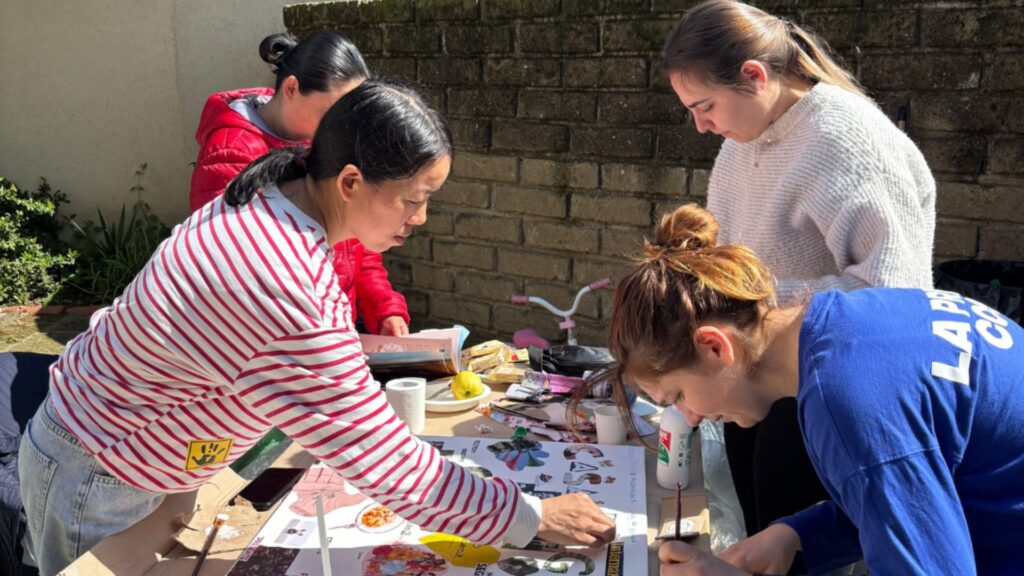
This last workshop transformed the space into an environment of expression, connection, and shared imagination. Through simple tools such as painting and decoupage, it was possible to create an accessible setting even in the presence of language barriers, allowing participants to express themselves without the need for words. Visual language made it possible to share complex experiences, encouraging the emergence of emotions and spontaneous dialogue among participants.

The pathway accompanied women from diverse backgrounds and countries – including China, Brazil, Pakistan, Cuba, and several African countries – in a progressive narrative journey that passed through personal roots, lived experiences in the present, and aspirations for the future.

All workshops were conducted using an interactive and non-formal approach, which made it possible to overcome language barriers and foster active and inclusive participation. The deepest value of the experience emerged in its relational dimension. A strong capacity for mutual care developed, expressed through spontaneous gestures of welcome and attention, transforming the workshops into an authentic space of human and social exchange.

Final Thoughts

The experience confirms how, in reception and integration pathways, the connection between people, empowerment, and the construction of future perspectives are central. In particular, it highlights the fundamental role of non-formal education and interaction as tools to overcome linguistic and cultural barriers. It also represented also a valuable exchange for trainers and operators of the centre, offering the opportunity to closely observe the daily dynamics of the reception context and training activities.
THE:PLACE – Türkiye Hand in hand with Europe: Programme for Local Authorities and Civil society Exchange is a multi-year programme funded by the Mercator Foundation and managed by ALDA and MAD – Center for Spatial Justice.

This programme is now open for applications from Civil Society Organisations based in Türkiye, the EU and the enlargement countries (Albania, Bosnia and Herzegovina, Moldova, Montenegro, North Macedonia, Serbia and Ukraine). 

It calls for collaboration with Local Authorities through an Associated partner commitment: if you are reading this as a Local Authority, we invite you to contact a Civil Society Organisation you would like to collaborate with and invite them to apply.

Read the call to get to know all the details, and find the application form here.

An Infoday has been organised to present the programme in detail on Monday May 18th at 14:00-16:00 CEST / 15:00-17:00 TRT to which you can register here

If you have any questions concerning the programme, you can reach out to info@theplaceprogramme.org.

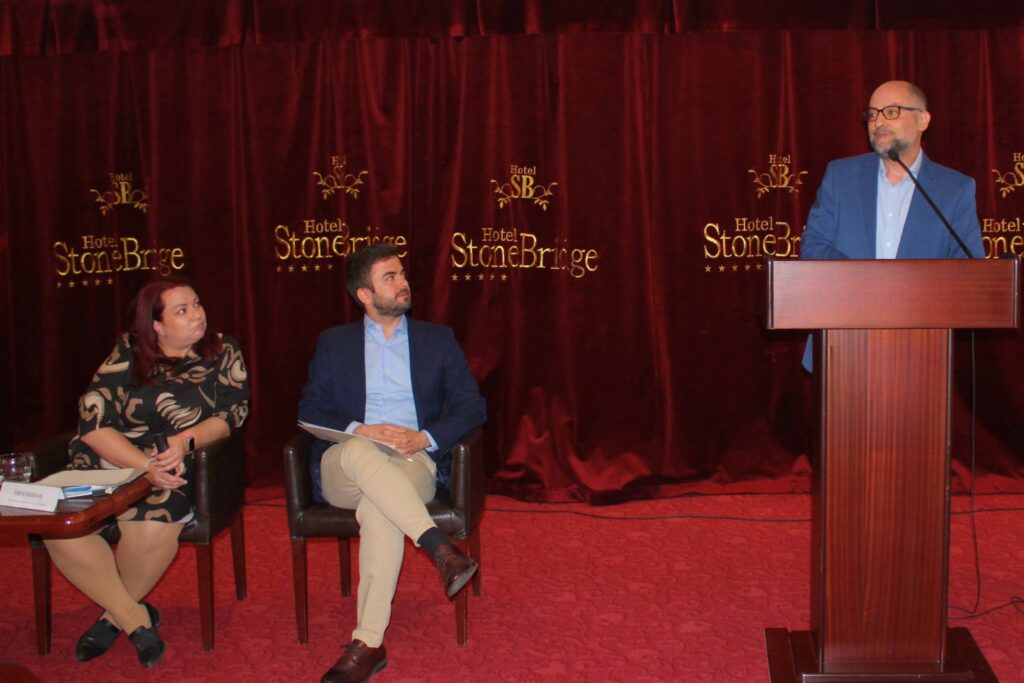
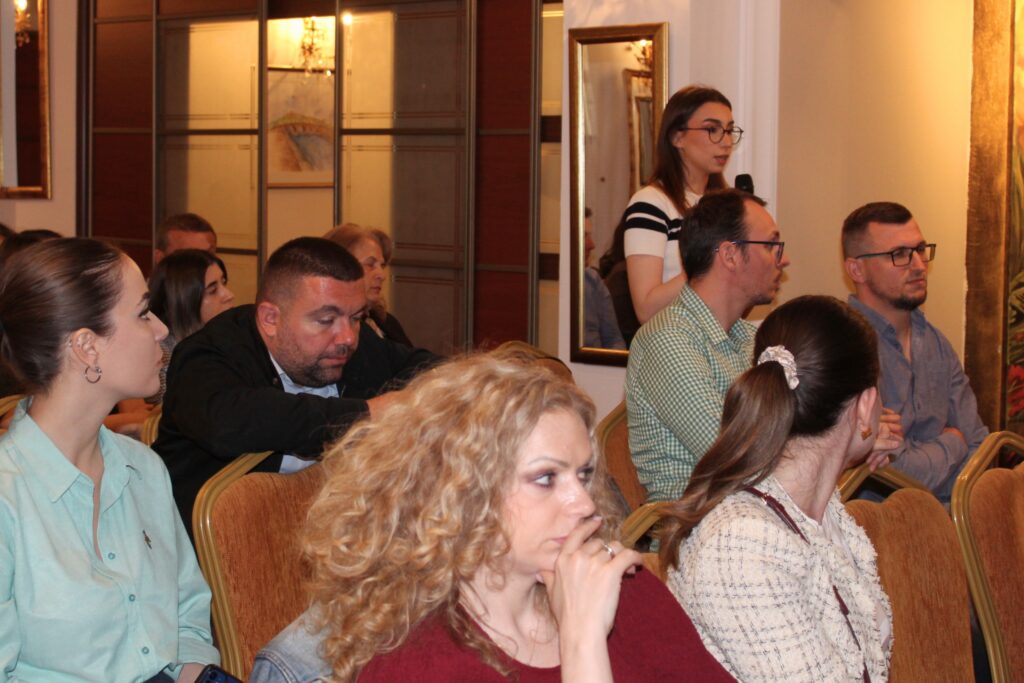
The city of layered histories, Skopje, became the destination of the ProVote initiative on 28 April, when the international event “Strengthening Local Democratic Resilience” examined how communities can reinforce democracy amid disinformation, declining trust, and reduced civic participation.

Organised under the ProVote framework and supported by the European Union under the CERV Programme, the conference, facilitated by ALDA Balkans, brought together local authorities, civil society organisations, and international partners. Through interactive and multilayered approaches, participants shared experiences and explored strategies for rebuilding trust and safeguarding democratic values at the community level.

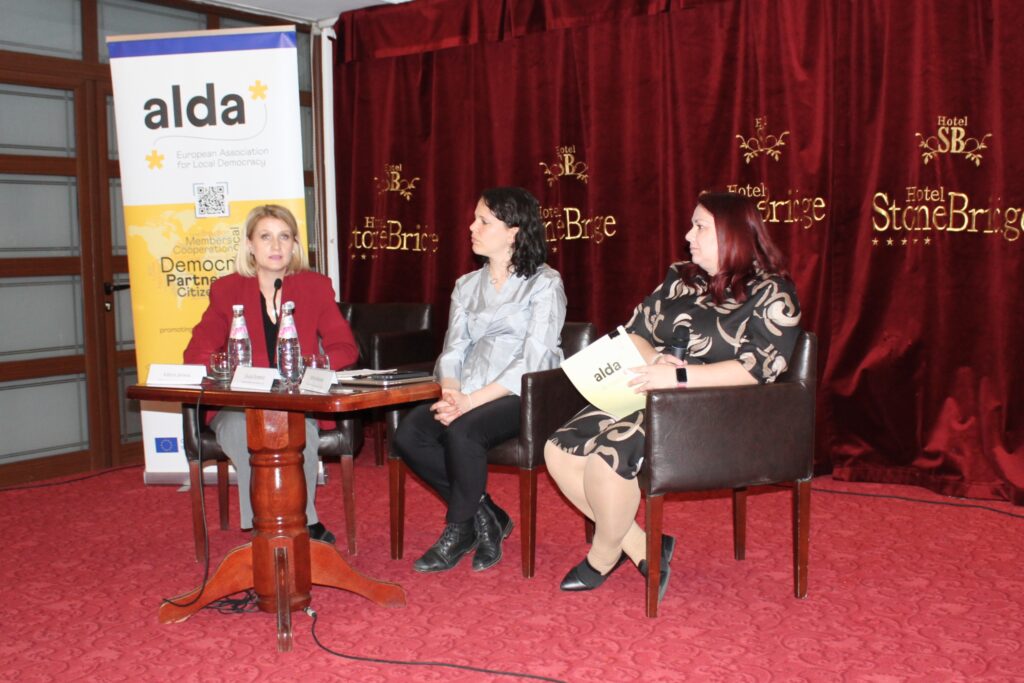
The programme opened with welcoming remarks from Maria Kanellopoulou, First Counsellor at the Delegation of the European Union to North Macedonia, and Marta Sys, ALDA Governing Board Member. Their addresses focused on the importance of building resilient democratic structures in times of growing disinformation and public scepticism. 

Ms. Kanellopoulou pointed to the Democracy shield, which adds to the European Union’s commitment to strengthen the information integrity within the EU and with the regional partners, and it also allows partners outside the youth to adapt in their fight against disinformation and malign interference.

This initiative is structured around three main pillars. First, one is to reinforce our situational awareness so we can respond and counter threats. Second is to strengthen our democratic institutions, protect free elections and free media. Lastly, to boost citizens’ engagement in democratic life and increase societal resilience which is part of what you will do also,

Ms. Sys focused on the critical role of youth participation and bottom-up approaches in strengthening local democracy. It was highlighted that ALDA has strong roots in the Balkans, where it was established, and continues to maintain close engagement with the region.

These kinds of events are very important to us because it gives us a chance to share ideas, experiences, find solutions to real problems, and to promote and push people for action. And this is what I mentioned. What ALDA does is very close to what Merkury Foundation does, supporting young people, primarily through local and regional youth councils and initiatives such as the “Youth Forum,” an annual event fully designed and implemented by young people where they recognise local challenges, propose solutions, and advocate for policy changes.

The morning sessions featured contributions from Katica Janeva, Director of ALDA Balkans, and Giulia Sostero, ALDA Head of Unit for Africa, Southwest Asia and Turkey, who shared ALDA’s experience in fostering democratic resilience. 

Our work focuses primarily at the local level, supporting communities in practising even the most basic democratic activities, such as voting, a fundamental right of every citizen. This approach is equally relevant in the Western Balkans, where countries have been formally democratic for some time. Yet, many citizens often feel that democracy exists only on paper.

Sostero initiated a discussion on the concept and understanding of local democratic resilience, also presenting ALDA’s experience of over 30 years of work and more than 500 projects, to illustrate how democratic practices can be sustained at the local level even in contexts of shrinking civic space.

In Cameroon, despite operating in a “Not Free” civic space, a project reached more than 10,000 beneficiaries and strengthened neighborhood-level governance structures. In Tanzania, an information campaign on biometric voter registration reached nearly 88,000 people, demonstrating that electoral cycles can serve as entry points for deeper civic engagement.

А panel presentation followed where ProVote partners presented lessons learned from their local contexts, Partenalia presented findings on disinformation, distrust, and polarisation as a “risk triangle.” Provincial Council of Jaén outlined participatory frameworks and youth engagement. RegioDev highlighted Belgium’s participatory practices, while Regionsjugendring Hannover emphasised youth work as democracy in action. UNCJR reflected on Romania’s election interference, stressing local communication and EU cooperation. Together, these contributions underscored the need for resilient local structures, civic trust, and cross‑border collaboration.

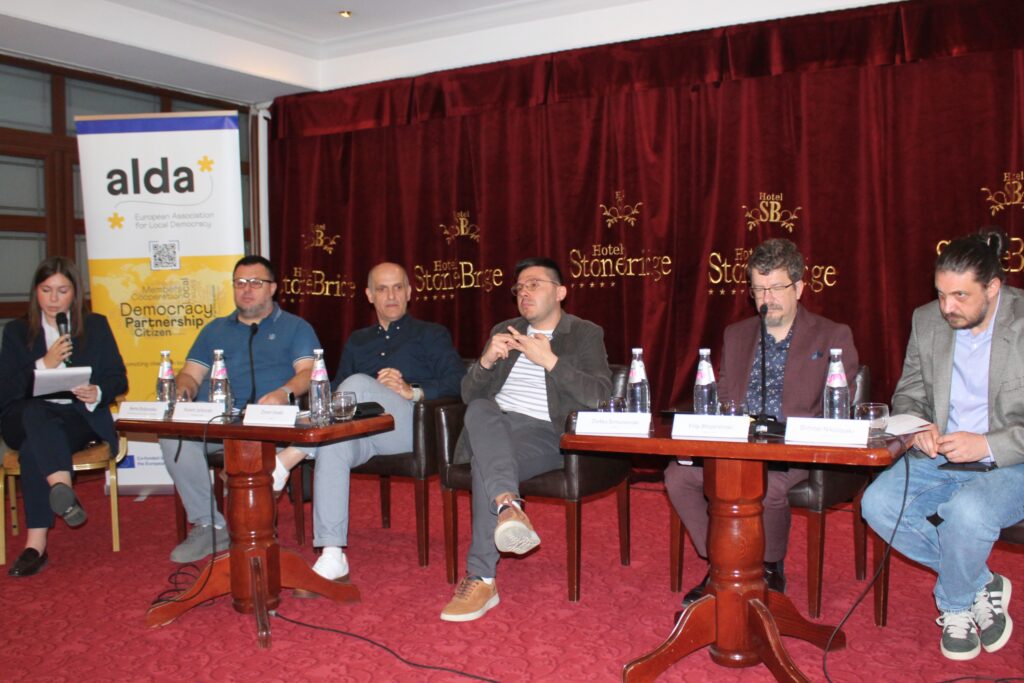
A central highlight of the agenda was the panel “Countering Disinformation and Rebuilding Trust at the Local Level”, moderated by Berta Stojkovska, with representatives from Estima, SEGA, Metamorphosis Foundation for Internet and Society, the Municipality of Karpoš, and Eurothink. Discussions addressed foreign propaganda, youth participation, and the impact of fake news on local authorities. Speakers emphasised youth legislation in North Macedonia as a step towards institutionalising engagement, while warning that disinformation is evolving and strategically driven, particularly in Southeast Europe. Risks linked to artificial intelligence; deepfakes, synthetic content, and filter bubbles were explored. Mr Nikolovski presented the #Media4EU project, focusing on the findings of Eurometer, that point out that the Internet, particularly social media, had become the primary source of political information for citizens, with over 90% relying on online platforms highlighting both opportunities for outreach and risks of misinformation.

In the afternoon, participants joined the interactive workshop on AI literacy and fake‑news narratives “From Fake News to Civic Trust: What Can We Do Locally?”, organised by the Metamorphosis Foundation for Internet and Society. Through direct examples from Truthmeter.mk (Vistinomer), the session highlighted how hate speech and propaganda circulate online and across social media, drawing on the foundation’s experience as an external fact‑checking organisation for Facebook in North Macedonia.

Using interactive quizzes, the workshop sparked debate and hands-on learning about recognising AI‑generated distortions, manipulative narratives, and propaganda trends, encouraging participants to explore how local communities can strengthen resilience against evolving disinformation.

The day concluded with a Democratic Resilience Walk through Skopje, tracing sites that embody the city’s contested democratic journey. The walk began with the Skopje 2014 monuments, symbols of ideological and political narratives; juxtaposed with the civic defiance expressed through colours. It continued with the history of Woman Fighter Park and the Prometheus statue, before culminating at the Stone Bridge, a landmark built upon layers of history, destruction, and reconstruction. Together, these locations represent powerful examples of democratic resilience preserved in the collective memory of the city.

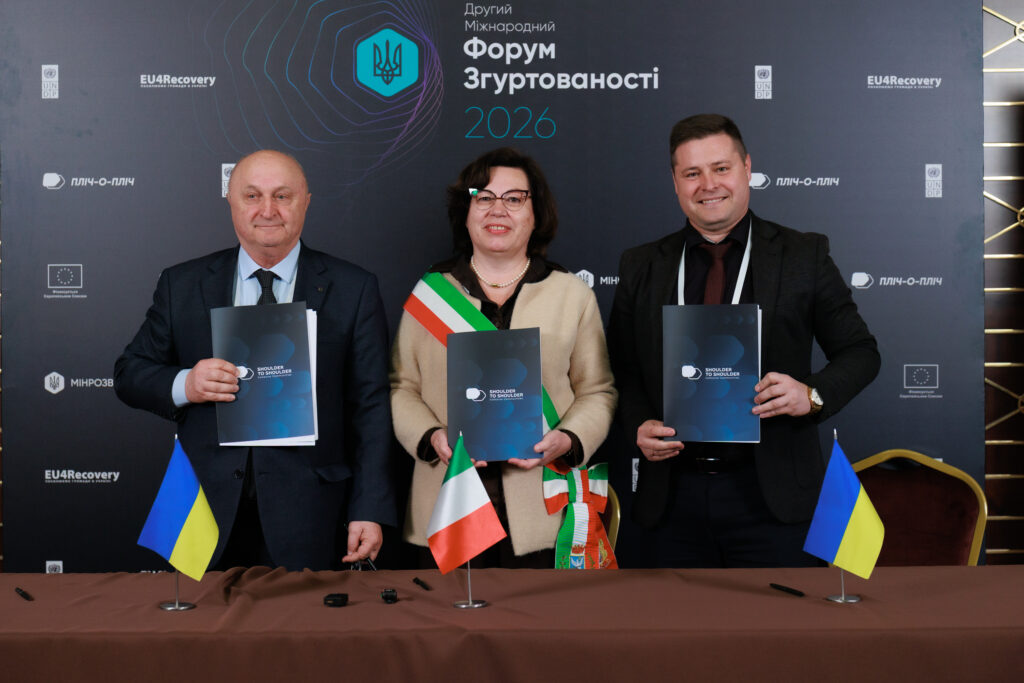
On 29 April 2026, ALDA contributed to the II International Cohesion Forum in Kyiv, Ukraine, a key high-level event bringing together international and local actors to advance cohesion and resilience as pillars of Europe’s future.

ALDA was represented by Antonella Valmorbida, Secretary General of ALDA, alongside Yuriy Stepanets, ALDA Representative in Ukraine, together with Olha Oliinyk, Delegate of the LDA Vinnytsia Region. Through their participation, ALDA reaffirmed its active role in strengthening local democracy and multi-level governance in Ukraine, contributing to both recovery and the broader European integration process.

Cohesion and resilience at the core of Europe’s future

Initiated by the Ministry for Development of Communities and Territories of Ukraine, the Forum brought together over 500 participants, including representatives of local and regional authorities, government officials, international organisations, civil society actors, and community leaders. Organised within the framework of the EU4Recovery initiative, a flagship partnership between the European Union and the United Nations Development Programme (UNDP) in Ukraine, the event builds on the success of its first edition in April 2025 and continues to serve as a key platform aligning national and international stakeholders around a shared vision of cohesion as a cornerstone of Ukraine’s resilience.

Under the central theme “Cohesion and resilience as key drivers of Europe’s future,” the Forum highlighted the fundamental role of coordinated governance, inclusive development, and international cooperation in addressing current challenges. It also featured the signing of memoranda of cooperation, an official award ceremony recognising outstanding communities.

ALDA’s contribution and recognition at the Forum

Within the Forum, Antonella Valmorbida took part in the panel discussion “Ukraine in Global Partnerships,” alongside high-level Ukrainian institutional representatives. The exchange underscored the crucial role of international cooperation and multi-level governance in ensuring effective recovery processes and fostering long-term democratic resilience.

ALDA’s presence went beyond participation. During the event, the organisation was acknowledged at the highest institutional level as a well-structured and reliable actor in supporting local good governance in Ukraine. In this context, Antonella Valmorbida presented a strategic document, opening the door to meaningful dialogue with a wide range of partners and organisations and reinforcing ALDA’s position as a key facilitator of cooperation.

Notably, ALDA was the only European association represented at the Forum—further highlighting its unique role and longstanding commitment in the country. This recognition reflects the organisation’s continuous efforts to strengthen local governance ecosystems, empower communities, and foster partnerships between Ukrainian and European stakeholders.

“We are proud to see ALDA recognised as a trusted partner in Ukraine at such a high institutional level,” stated Antonella Valmorbida. “Our participation in the Forum was not only an opportunity to share our experience, but also to reaffirm our commitment to supporting Ukrainian local authorities and communities. Through our network, tools, and expertise, we aim to contribute concretely to resilience, recovery, and the strengthening of democratic governance, while further promoting strong and coordinated European partnerships.”

Building partnerships “Shoulder to Shoulder”

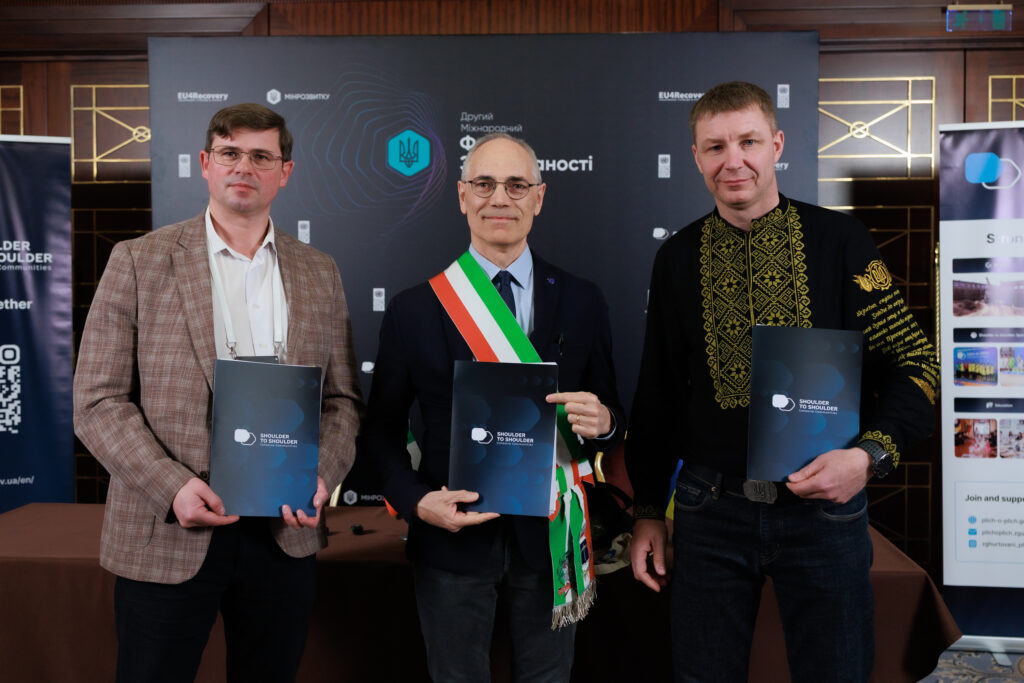
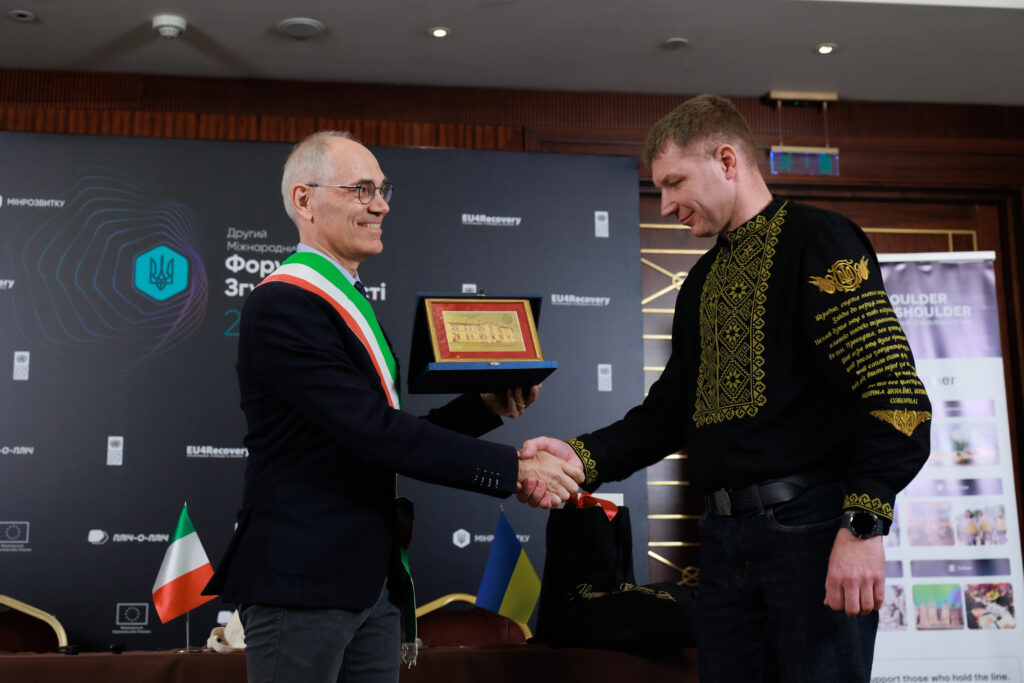
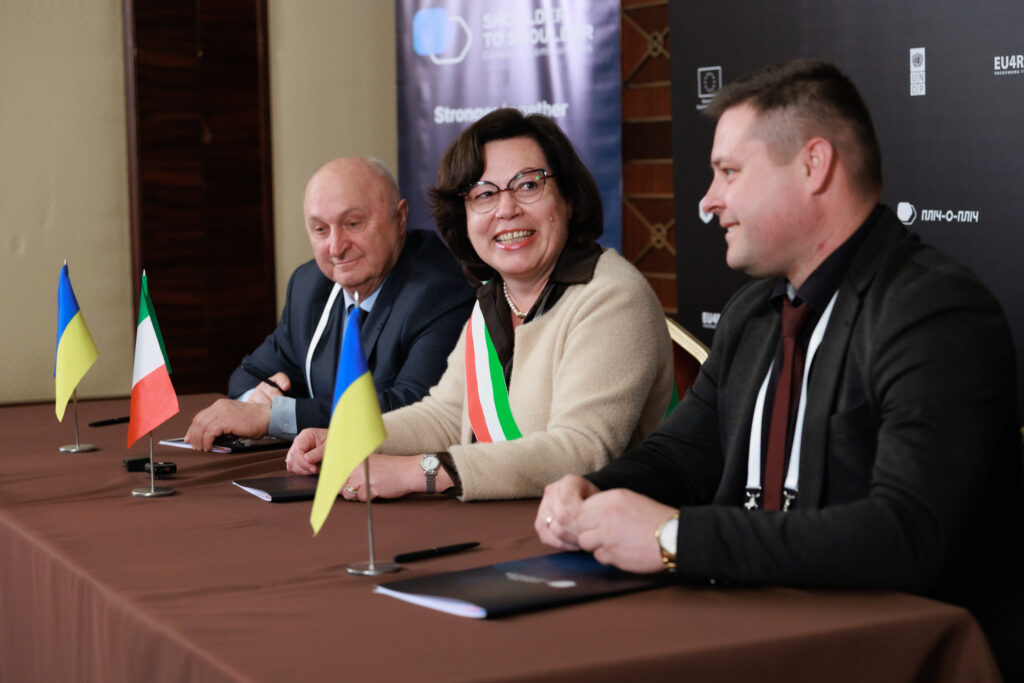
In addition to its institutional engagement, ALDA actively facilitated concrete cooperation between European and Ukrainian local authorities. Within the framework of the Ukrainian flagship initiative “Shoulder to Shoulder: Cohesive Communities,” ALDA engaged partner municipalities Thiene and Zugliano, which agreed to establish partnerships with Ukrainian municipalities from both the eastern and western regions of the country.

The initiative, led by the Government of Ukraine, aims to strengthen unity, resilience, and cooperation among local communities in the context of recovery and reconstruction. It promotes direct partnerships between Ukrainian and European municipalities, fostering solidarity-based collaboration and mutual support. 

The Mayor of Zugliano, Sandro Maculan, and the representative of the Municipality of Thiene Marina Maino, were present at the Forum, marking a significant step towards long-term cooperation.

Within this framework:

  • The Municipality of Zugliano established partnerships with:
    • Yavornytska Territorial Community (represented by Dmytro Ekzarkhov, Settlement Head)
    • Kalush Territorial Community (represented by Andrii Naida, Head of the Urban Territorial Community)
  • The Municipality of Thiene established partnerships with:
    • Shevchenkivska Territorial Community (represented by Oleh Pylypenko, Village Head)
    • Korosten Territorial Community (represented by Volodymyr Moskalenko, Mayor)

These partnerships represent a concrete example of decentralised cooperation, reinforcing links between communities and contributing to Ukraine’s recovery through peer-to-peer collaboration.

The II International Cohesion Forum once again demonstrated the critical role of collaboration across all levels of governance in addressing complex challenges and building a resilient future. For ALDA, the event represents another important step in strengthening its contribution to Ukraine’s recovery and its path towards European integration.


ALDA protagonist of the European 3rd Pillar

ALDA is actively contributing to Pillar 3 of the EU’s €50 billion Ukraine Facility, which focuses on accession-related support through capacity building, technical assistance, and the strengthening of governance systems. Through its long-standing expertise in local democracy, participatory governance, and project cycle management, ALDA supports local, regional, and national authorities, as well as civil society organisations, in enhancing their capacity to implement reforms, manage EU-funded programmes, and align with EU standards and the acquis.

This engagement builds on ALDA’s role in the Ukraine Recovery Conference 2025, where the organisation coordinated the local and regional dimension, highlighting the importance of decentralisation, good governance, and community resilience in Ukraine’s recovery. By fostering multi-level governance and inclusive decision-making processes, ALDA contributes to advancing Ukraine’s EU integration path and ensuring that recovery efforts are firmly grounded in democratic principles, accountability, and citizen participation.

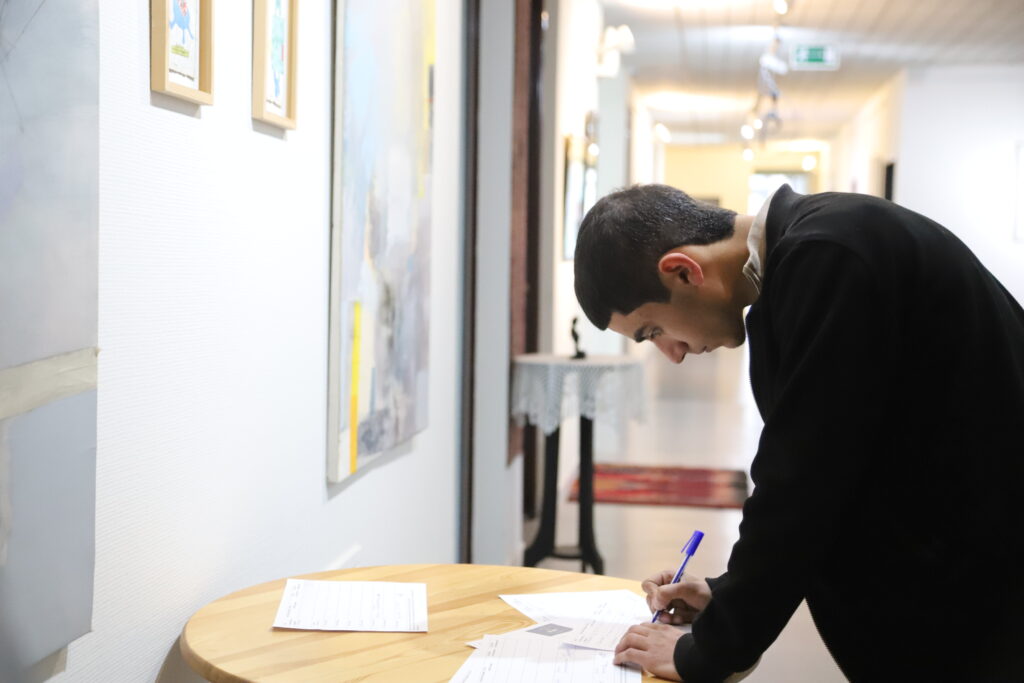
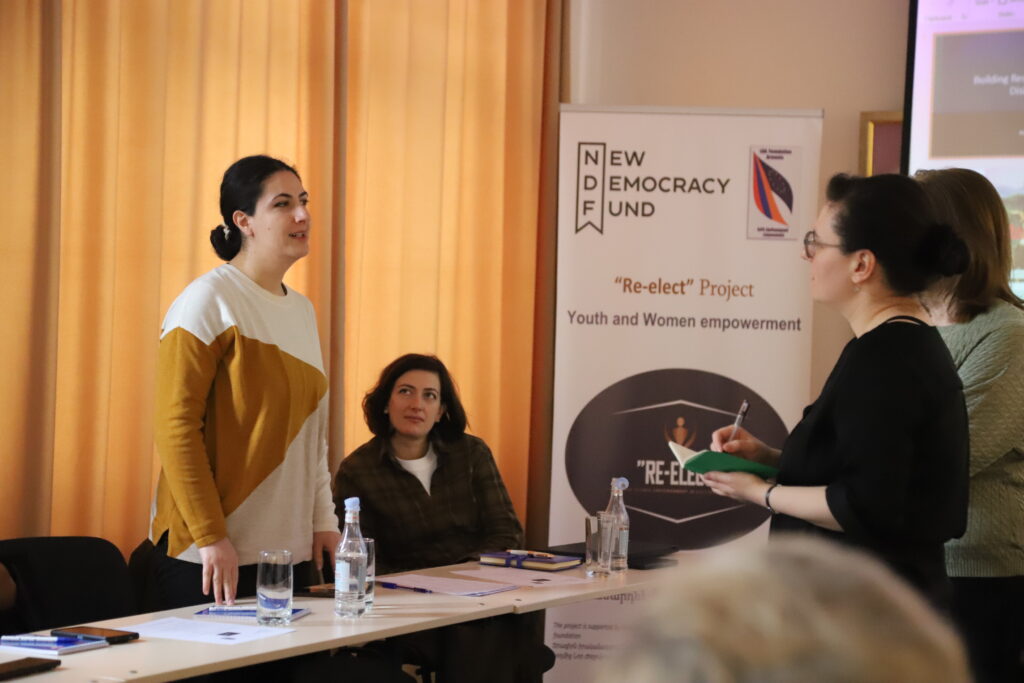
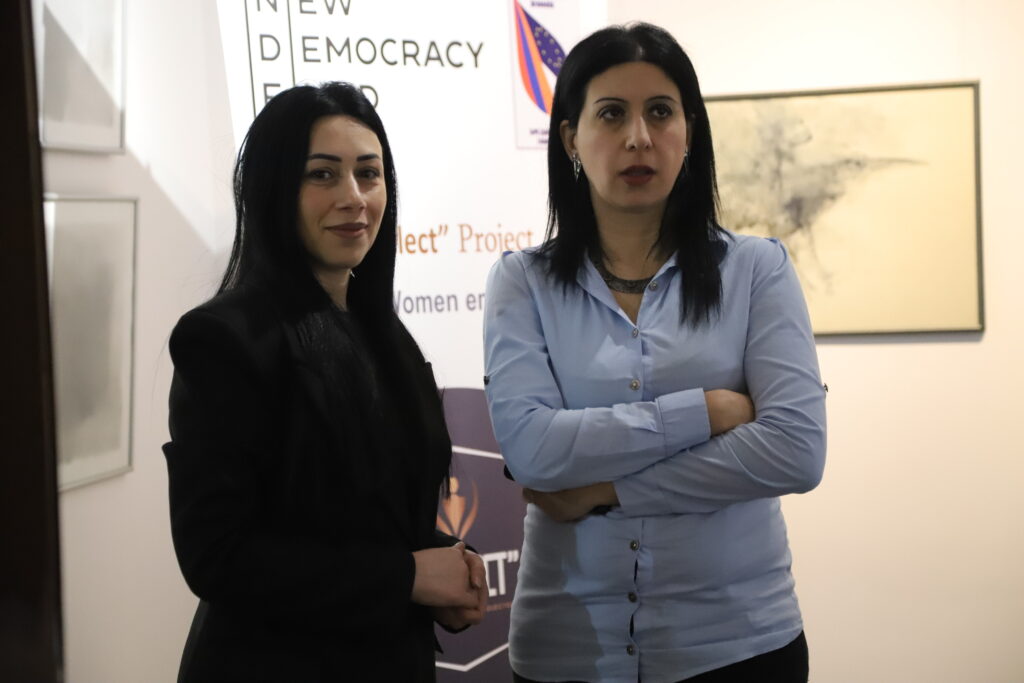
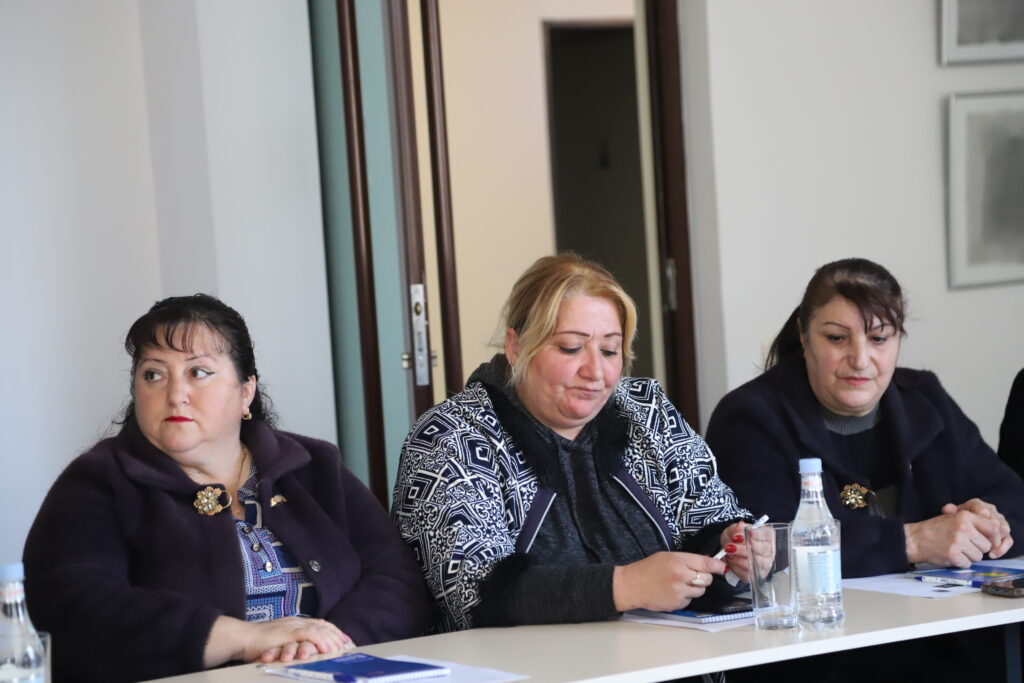
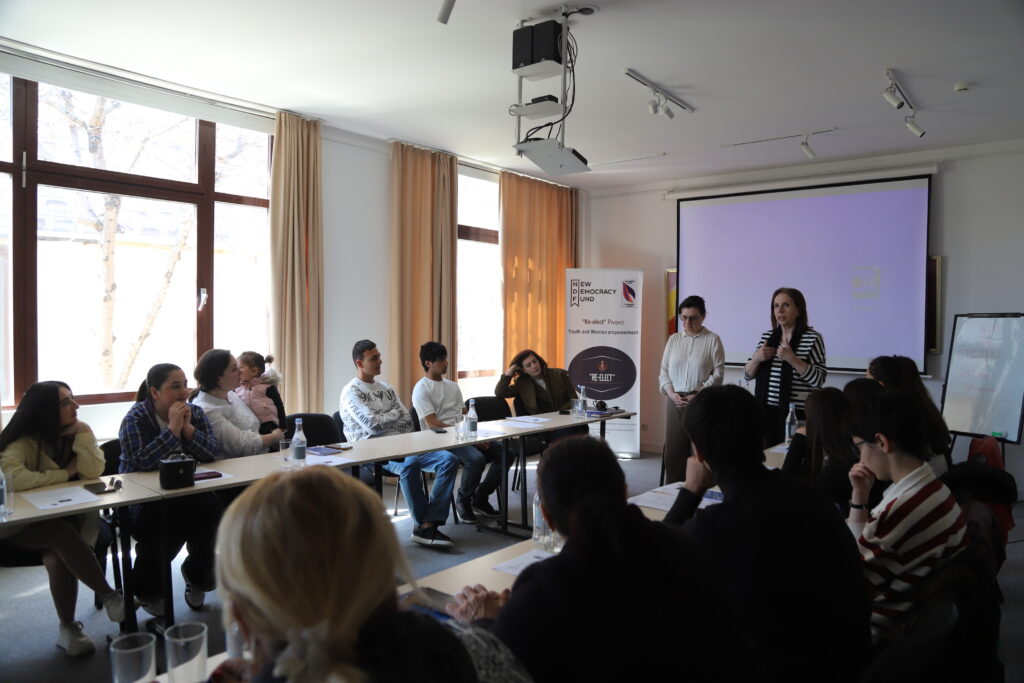
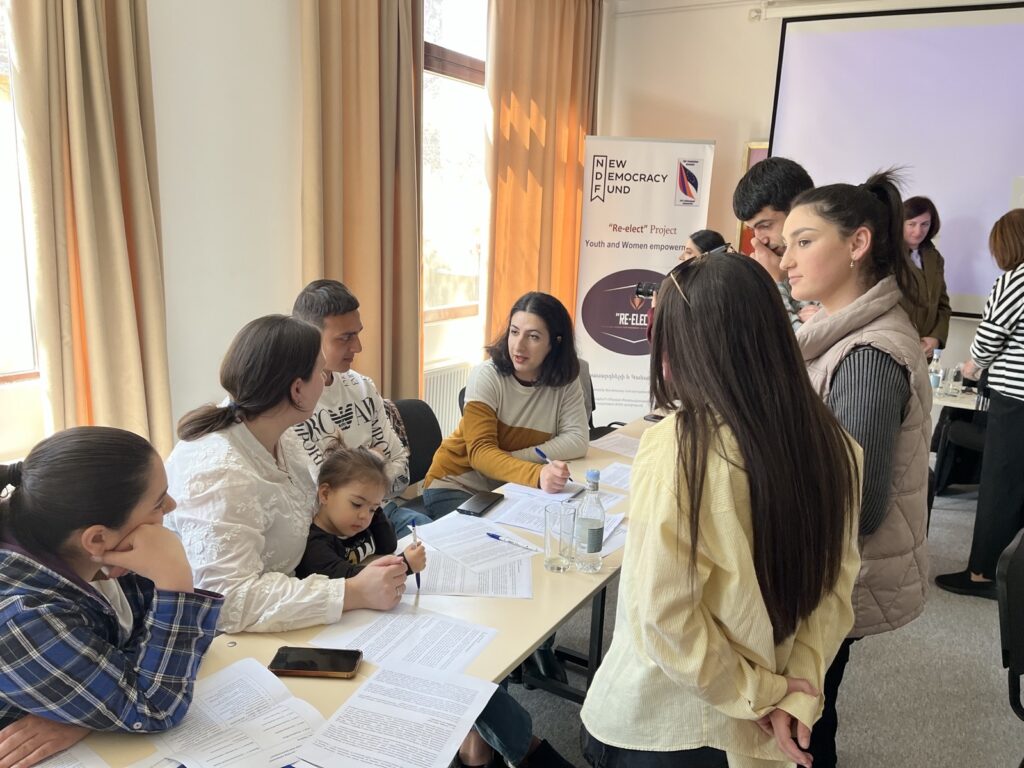
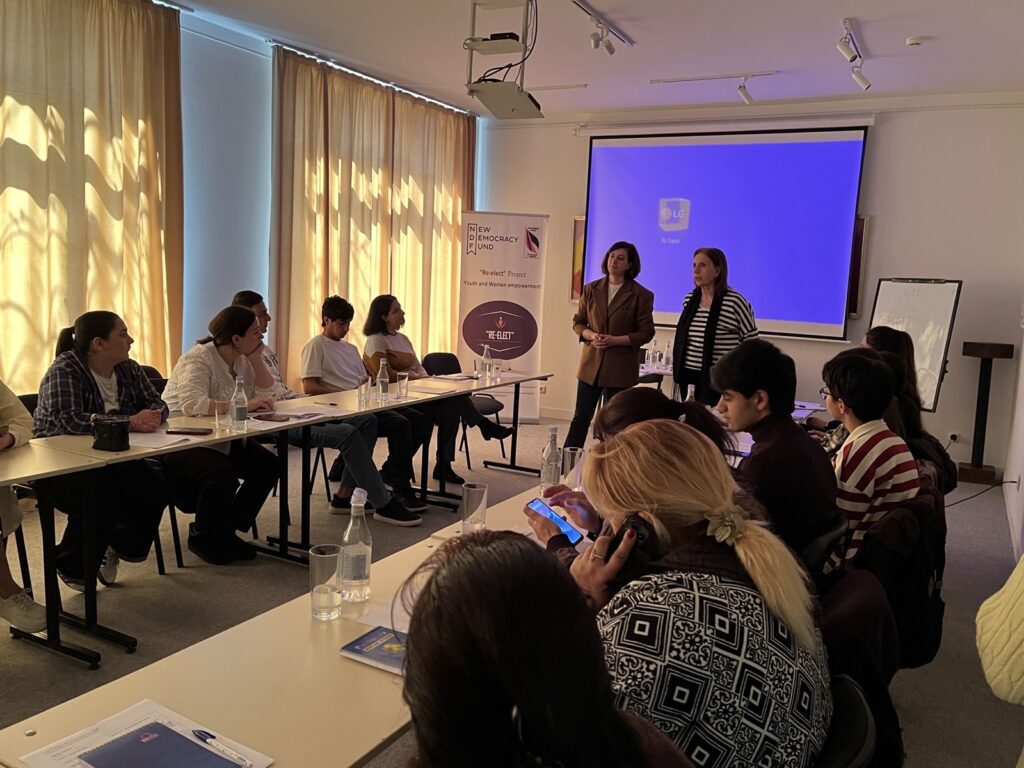
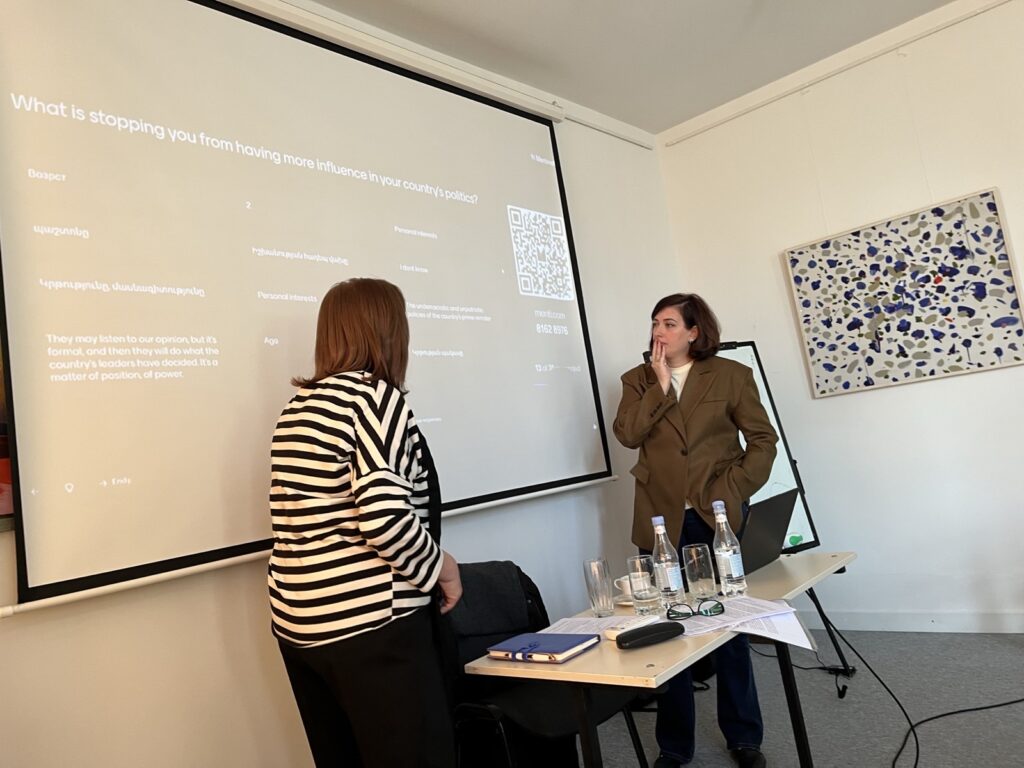
On 24–25 April 2026, ALDA organised a two-day training workshop in Gyumri, Armenia, focusing on disinformation, resilience and civic participation. The activity was implemented within the framework of the Re-Elect project, supported by the New Democracy Fund and carried out in cooperation with the Local Democracy Agency Foundation Armenia.

The training brought together 30 participants, including local activists, women and young people, with the aim of strengthening their capacity to critically assess information and actively engage in democratic processes.

During the first day, participants were introduced to key concepts and practical tools to identify misinformation, disinformation, propaganda, fake news and hate speech. Particular attention was given to recognising manipulation techniques and understanding the mechanisms behind information campaigns.

The second day focused on fostering social resilience and enhancing civic engagement, with a dedicated emphasis on the importance of gender representation in democratic processes. Participants explored strategies to promote inclusive participation and strengthen their role within civil society.

Notably, many of the young participants will be voting for the first time in the upcoming parliamentary elections. In this context, the training provided essential knowledge to support informed and responsible decision-making.

Nino Tvaltvadze shared insights from her professional experience in governance, offering practical examples and highlighting the tangible impact of civic participation. Teona Macharashvili introduced analytical frameworks and tools to assess information campaigns, drawing on concepts from applied political psychology.

During the workshop sessions, participants worked in groups to apply the knowledge acquired, analysing real-life case studies of disinformation and manipulation. The interactive format encouraged open dialogue and exchange, creating a safe space to reflect on issues affecting women and youth, while fostering social cohesion.


“The training had a strong impact on me. It made me realise how important it is to treat information responsibly, verify sources, and avoid causing harm,” one participant shared.


This initiative highlights the importance of empowering citizens with the tools and knowledge necessary to navigate complex information environments and actively contribute to democratic life.

Together with its local partner, the Local Democracy Agency Foundation Armenia, ALDA will continue to strengthen citizens’ capacities and support inclusive democratic participation across the country.

Over the past two weeks, we hosted a two-part webinar series of the AMIL – Alliance Multi-Stakeholder for Migrant Integration and Labour project, co-funded by the EU Asylum, Migration and Integration Fund (AMIF).

Bringing together practitioners, policymakers, and civil society actors from across Europe, the series explored how to strengthen labour market integration for third-country nationals (TCNs) through more coordinated and inclusive approaches.

A clear message emerged throughout both sessions: labour market integration is not only an economic priority, but a cornerstone of inclusive and democratic societies.

Addressing a Complex Challenge through Multi-Stakeholder Cooperation

The first webinar featured dr. Cristiana Di Pietro (LUMSA University) introduced the MEIC methodology. She highlighted migrant integration as a complex and multidimensional challenge. Structural barriers, such as language gaps, difficulties in recognising qualifications, and fragmented systems, cannot be addressed through isolated interventions.

Instead, the MEIC approach promotes:

  • Collaboration across sectors and governance levels
  • Adaptable and context-specific solutions
  • The activation of local networks, where integration effectively takes place

Experiences shared by AMIL partners in Greece (PwC), Cyprus (CODECA), and Italy (CIES Onlus) demonstrated the added value of multi-stakeholder clusters, bringing together public authorities, civil society, and labour market actors to coordinate actions and improve access to employment.

These experiences also highlighted a persistent challenge: while public institutions play a central role, fragmentation often limits the effectiveness of integration pathways. Strengthening cooperation is therefore essential to ensure more coherent and accessible services.

Employment as a Gateway to Inclusion

A key reflection emerging from the discussions is that employment goes beyond economic participation. It is a gateway to active citizenship, dignity, and social inclusion.

A truly inclusive labour market must therefore be:

  • Participatory and collaborative
  • Accessible, addressing barriers such as language and information gaps
  • Human-centred, recognising migrants’ skills and long-term potential

This perspective also challenges dominant narratives, reaffirming that migrants are contributors to society, not merely beneficiaries of support systems.

From Local Practices to Systemic Solutions

The second webinar focused on practical experiences and policy insights from different European contexts.

City councilor Raisa Labaran from the Municipality of Brescia presented a local model showing how access to welfare and healthcare services directly impacts labour market integration. Barriers such as limited information, lack of linguistic mediation, and low health literacy can prevent migrants from accessing both healthcare and employment opportunities. This highlights the need for more integrated and preventive approaches.

There were also insights coming from IOM Belgium & Luxembourg which were presented by Luca Volonté, who showcased the importance of skills recognition and employer engagement. Indeed, many migrants face difficulties accessing appropriate jobs despite high qualifications, due to complex recognition procedures and limited visibility of their competences. Addressing this requires:

  • More flexible and accessible recognition systems
  • Better alignment between migrants’ skills and labour market needs
  • Stronger collaboration with employers

The discussion also underlined the importance of tackling discrimination in the workplace, through approaches that are intersectional, rights-based, and transformative.

Expanding Opportunities and Recognising Agency

Another key takeaway was the importance of access to networks and opportunities. Migrants often face structural barriers in accessing information, professional pathways, and visibility.

Initiatives such as the ENRMSC Opportunities Hub, which was presented by its founder Adam Labaran, illustrate how technology and networks can help bridge these gaps, while also promoting migrant-led perspectives and leadership.

The message is clear: migrants should be recognised not only as beneficiaries, but as active agents of change, whose skills and contributions are essential to Europe’s social and economic future.

Key Takeaways

Across both webinars, several common priorities emerged:

  • Strengthening multi-stakeholder cooperation is essential to overcome fragmented systems
  • Language barriers remain a fundamental obstacle to integration
  • Skills recognition systems need to be more flexible and inclusive
  • Health, welfare, and employment are deeply interconnected
  • Employers must be actively engaged in inclusive practices
  • Migrant participation is key to designing effective and sustainable solutions

Looking Ahead

The AMIL webinar series reaffirmed that no single actor can address the challenges of labour market integration alone.

By fostering dialogue, sharing practices, and promoting collaborative approaches, the series contributed to building a more coordinated and inclusive vision for migrant integration across Europe.

Box of resources

The presentations shared during the webinars are available below for further consultation:

In challenging times, discussing democracy is not an abstract exercise — it is an act of resilience.

On 14–15 April in Brussels, Belgium, ALDA organised the event “At Europe’s Heart: Civic Participation, Housing Rights and Neighbourhood Policies Two Years after the European Elections” within the framework of the EUDEM project. The event brought together European local authorities, grassroots organisations and experts to reflect on key pillars of democratic resilience across the continent.

The growing housing crisis in many European cities calls for a paradigm shift: housing must be recognised as a matter of justice. This means understanding housing, and the broader living conditions it entails, as a fundamental right to be guaranteed, rather than a commodity to be traded. At the same time, civic participation in local governance must become structural.


Addressing the complexity of the challenges affecting our communities requires renewed alliances between local institutions and the citizens they serve


These themes were explored during the first day through a roundtable discussion featuring representatives from the Vienna, the Helsinki, the Public Centre for Social Welfare of Brussels and Eutropian, who shared experiences and good practices from their respective contexts.

ALDA firmly believes in the power of local democracy as the space where democratic resilience can be tested, strengthened and sustained, even in contexts where national democratic stability is under pressure. For this reason, the second day of the event focused on case studies of local democratic resilience beyond EU borders, including Eastern Europe, Central America and Sub-Saharan Africa. These were presented by experts from the Thematic Engagement Division and grassroots organisations such as Humanees, Hope4Life and International Observatory on Participatory Democracy.

During the event, ALDA also presented a position paper to which it contributed on local democratic resilience within the framework of the Global Gateway initiative. This was discussed alongside the Action Paper “The Future of Local Government Development Cooperation” presented by Neila Akrimi from CILG-VNG International.

However, this event marks only one step in a broader journey.
In May and June, further opportunities will be offered to continue exploring key issues related to European democratic resilience, with a particular focus on housing justice and civic participation in local governance.

Stay tuned for upcoming updates, and if you wish to engage further, join the EUDEM Community of Interest.

On 11 April, Adrien Licha, Coordinator of the Secretariat of ALDA, took part in the Governing Board meeting of the Mouvement Européen France in Paris, France. The meeting gathered the majority of its 50 Governing Board members to discuss the strategic orientations of the movement, as well as key aspects of its internal organisation.

The European Movement was founded at the Congress of Europe in May 1948.


Since its inception, its mission has been to unite civil society forces in support of European unification


It played a significant role in the creation of the first European institutions and contributed to laying the foundations of European integration. The European Movement – France, like other national councils, was established shortly after the creation of the European Movement at the European level.

ALDA is proud to be a member of the European Movement France and to support its 10 strategic priorities for 2026–2028. These include strengthening cooperation among civil society actors and citizens committed to Europe in France, promoting synergies and the development of joint initiatives among network members, reinforcing its territorial network, supporting local chapters, and promoting regional cooperation.

ALDA will also contribute to the activities of the “Lab of Ideas”, particularly on the topic of European Union enlargement. This will include a series of webinars and the development of policy proposals addressing the political, institutional, and budgetary conditions for enlargement. In addition, ALDA will contribute to ongoing reflections on Ukraine by supporting the update of the existing resolution, incorporating recent geopolitical developments, accession prospects, and reconstruction priorities.

In occasione della Giornata dell’Europa, Villa Fabris apre le sue porte con una serata dedicata al confronto civico, alla memoria culturale e all’arte. Ingresso libero, aperitivo incluso.

Venerdì 8 maggio 2026, alle ore 18:30, Villa Fabris, in via Trieste 43 a Thiene, ospita un evento pensato per la cittadinanza nell’ambito delle celebrazioni della Giornata dell’Europa. Una serata che coniuga riflessione politica e istituzionale con il linguaggio del teatro e della musica, per avvicinarsi all’Europa da prospettive diverse e complementari.

“Thiene e l’Europa – Prospettive a confronto”

Ad aprire la serata sarà un momento di approfondimento e dibattito con due ospiti di rilievo: Paolo Graziano, Professore di Scienze Politiche all’Università di Padova, e Marina Maino, Assessora ai bandi europei del Comune di Thiene. Un confronto accessibile e autorevole sul presente e sul futuro del progetto europeo, declinato sia nella sua dimensione globale sia in quella più prossima alla realtà locale.

“Fola de Raisa – Racconto di radice”

A seguire, lo spazio si trasformerà con lo spettacolo teatrale e musicale curato da Eleonora Fontana e Davide Peron. “Fola de Raisa – Racconto di radice” è un ensemble di storie ambientate nel primo Novecento: un viaggio tra interpretazione teatrale e suggestione musicale, capace di evocare radici culturali profonde e condivise, e di ricordarci che l’identità europea affonda in un terreno comune fatto di storie, lingue e memorie.

L’evento è a ingresso libero e gratuito e sarà accompagnato da un aperitivo.

The AMIL project continues to consolidate its territorial network, hosting a new training and discussion session for social workers in Rome on March 27, 2026.

What Was it About?

The initiative was part of the working group meetings aimed at strengthening the territorial network of social workers and featured the screening of the movie Californie, directed by Alessandro Cassigoli and Casey Kauffman. The event combined cinematic language with social reflection, offering a shared space for exploring topics central to professionals working in inclusion contexts.

The film tells the story of Jamila, a Moroccan-origin teenager growing up in Torre Annunziata. Through a delicate and engaging perspective, the narrative portrays the complexity of everyday experiences related to inclusion and exclusion, highlighting the concrete challenges of integration. The local context—its social, cultural, and economic characteristics—emerges as a key factor shaping people’s life trajectories.

Making the event even more meaningful was the discussion with director Alessandro Cassigoli, who engaged with participants and offered reflections to critically interpret the dynamics portrayed in the film. The debate encouraged the development of project ideas grounded in an intersectional approach, integrating multiple dimensions—gender, origin, socio-economic context—that shape the experiences of those involved.

For AMIL project partners, the meeting was also an important opportunity to strengthen the territorial network through the sharing of experiences and project initiatives, particularly focused on empowering young women with migrant backgrounds. The discussion expanded opportunities for collaboration between Third Sector organizations and the Rome Capital Administration, consolidating an ongoing dialogue.

Among the initiatives presented, special attention was given to the Women’s Empowerment project, promoted by Rome Capital, which complements AMIL’s actions. This exchange laid the groundwork for further strengthening synergies between the project, its partners, and the local administration, aiming to make interventions in favour of inclusion and autonomy for women with migrant backgrounds more effective and targeted.

The March 27 meeting thus confirmed itself as a significant space for mutual learning, enhancing the network’s expertise and promoting shared project planning rooted in the real needs of the territories and people.

About AMIL

The AMIL Project – Alliance Multi-stakeholders for Migrants Integration and Labour, based on the MEIC (Migrant Economic Integration Cluster) Methodology developed under the LIME project, builds local partnerships in Italy, Greece, and Cyprus while expanding its regional and European impact.
The project promotes integrated services and inclusive policy frameworks designed to last beyond the project’s duration.

To learn more, CLICK HERE

Promoting local democracy, good governance, and active citizen participation lies at the heart of ALDA’s mission. Through its Seeds of Democracy initiative, ALDA supports citizens and grassroots organisations in developing concrete actions aimed at improving their local environments while promoting dialogue with local authorities.

Within this framework, ALDA adopts a participatory approach, grounded in the methodology of multilateral decentralised cooperation. This approach strengthens collaboration between local authorities and civil society organisations, enabling communities to transform ideas into tangible and sustainable change.

The Seeds of Democracy call for proposals contributes to building a strong alliance between local and regional authorities and civil society actors, both in Europe and beyond. The initiative aims to support projects that enhance European citizenship, promote inclusive and people-centred local development, and reinforce a sense of ownership and engagement within communities.

In particular, the programme funds initiatives that raise awareness and understanding of key European Union policies and strategies at the local level. Supported actions are aligned with ALDA’s thematic hubs, including:

  • Environment and Climate
  • Gender Equality and Human Rights
  • Youth Empowerment and Education
  • Digital Transformation and Innovation
  • Migration
  • Territorial and Local Development

Through this regranting scheme, ALDA continues to empower its members and partners to act as drivers of democratic change, contributing to more resilient, inclusive, and sustainable societies.

Following a competitive selection process conducted by an appointed Selection Committee, 12 organisations from 8 different countries have been selected for funding. The high quality and diversity of applications received reflect the strong commitment of civil society across Europe to advancing democratic participation at the local level.

Selected Beneficiaries

  • SELFMADE AID MKO
  • Közélet Iskolája Alapítvány (School of Public Life Foundation)
  • VedoGiovane
  • Fons Mallorquí
  • Local Councils’ Association
  • European Grouping for Territorial Cooperation (EGTC) Amphictyony
  • DYPALL Network
  • Ljubljana Pride Association
  • Paesi dell’Acqua
  • Prizma Alapítvány
  • European Buddhist Union (EBU)
  • Leader France

Within the framework of the 2026 YES-Europe Annual Conference, a key moment took place in Brescia, Italy, where a dynamic and forward-looking programme was hosted at A2A’s Training University. This session brought together participants from Milan and beyond, focusing on practical innovation, industrial perspectives, and the real-world implementation of sustainable energy solutions.

The programme featured a diverse range of speakers and experts who delivered insightful presentations and engaged in discussions addressing key dimensions of the energy transition. Topics included circular economy strategies, urban sustainability, technological innovation, and European policy frameworks, providing participants with a comprehensive understanding of the challenges and opportunities shaping Europe’s energy future. The agenda emphasised actionable knowledge, encouraging critical reflection on how innovative ideas can be translated into concrete and measurable impact.

A central highlight of this moment was the interactive session led by the POWERYOUTH project partners, including SingularLogic (Lead Partner), National Technical University of Athens, YES-Europe, and ALDA. The session promoted a collaborative and inclusive environment, enabling open dialogue between students, young professionals, and experienced stakeholders, in line with the conference’s mission to empower the next generation of energy leaders.

The session opened with the presentation of the POWERYOUTH Toolkit, featuring its three core components: PARTICIPATE, FINANCE, and DECISION. This was followed by an overview of the project’s capacity-building programme, highlighting its role in equipping young people with the skills and tools necessary to actively engage in the energy transition.

Participants were then divided into working groups to engage in interactive discussions, focusing in particular on the functionalities of the PARTICIPATE tool. This hands-on activity encouraged the co-creation of ideas and proposals, offering attendees a practical experience of participatory approaches to energy governance. The session not only strengthened understanding of the tool itself but also reinforced participants’ sense of ownership and engagement.

The setting in Brescia further highlighted the importance of regional hubs as drivers of national and European sustainability efforts, demonstrating how local ecosystems can contribute to broader systemic change.

From 2 to 4 September, ALDA returns to Villa Fabris in Thiene for the third edition of its International School: three days of immersive, high-level training bringing together changemakers, researchers, policymakers, practitioners from the field, and anyone who believes in playing an active part in the common good.


A programme built around three interconnected questions

The three days follow a deliberate arc, moving from diagnosis to action. The first day examines how young people navigate the digital public sphere, tackling disinformation, political awareness, and the integrity of democratic processes. The second turns to representation and inclusion, exploring what genuine youth participation in European and local governance looks like in practice. The third takes the widest view, addressing democratic resilience in fragile and polarised contexts and closing with a Policy Lab designed to translate three days of work into actionable recommendations.

Throughout, the mix of keynotes, panels, workshops, and Policy Labs reflects ALDA’s conviction that learning and doing are inseparable, and that the most valuable outcomes are the ideas, connections, and commitments participants carry back into their own contexts.

AT A GLANCE

Across the EU, migrant people remain underrepresented in democratic processes, often excluded from decision-making and civic life. The Citizenship Academy project addresses this democratic gap by empowering migrant people as active EU citizens and strengthening participatory democracy from the local to the European level.

The project brings together partners in Spain, Italy, France, and Romania to deliver action-based training and civic campaigns focused on EU rights, responsibilities, and political engagement.

Through Citizenship Academy, migrant people will co-create citizen-led initiatives that respond to key EU debates and local challenges such as housing, integration policies, and equal treatment.

OBJECTIVES

Specific objectives of Citizenship Academy:

1. To develop educational training and campaigns on EU values, rights and responsibilities, as well as participatory processes to promote migrants’ active engagement.

2. To build citizen-led initiatives in response to current EU debates, nourished by local representatives, NGOs and political parties, facilitating cooperation between citizens and public authorities.

3. To create civil society networks of migrant rights defenders and promoters for the engagement of democratic and civic participation.

Project’s hashtags: #Inclusivedemocracy, #politicalparticipation, #inclusiveeurope, #participationmeethods

On 12 March 2026, ALDA delivered a dedicated training workshop on the Citizens, Equality, Rights and Values Programme (CERV) and other European funding opportunities at the invitation of the FIBGAR Foundation in Madrid, Spain. Hosted at the headquarters of Greenpeace Spain, the session brought together local civil society representatives and professionals eager to strengthen their capacity to access EU funding.

The training was delivered in Spanish by ALDA Project Designer, Alma Bustamante, ensuring accessibility and practical relevance for all participants.

This workshop is part of a broader training offer developed by ALDA to support its members and partners in navigating European programmes. Drawing on the expertise of over 30 staff members, ALDA delivers tailored, practical, and hands-on sessions designed to strengthen project development capacities. These trainings not only explain funding frameworks such as CERV, but also equip participants with the tools and confidence needed to transform ideas into successful project applications.


ALDA’s training sessions empower local actors to transform ideas into competitive EU-funded projects.


The Citizens, Equality, Rights and Values Programme (CERV) plays a crucial role in promoting citizens’ engagement, equality, rights, and democratic participation across Europe. However, many organisations, particularly at the local level, face challenges in understanding its priorities, identifying suitable calls, or building competitive proposals. ALDA’s training sessions directly address these challenges by combining policy insights, concrete examples, and interactive exchanges.

This initiative builds on a successful series of workshops launched in 2025. The first sessions were organised in collaboration with the FNADAC in Paris, France and the Merkury Foundation in Krzyżowa, Poland. These events aimed to raise awareness of the CERV programme while encouraging the development of local projects aligned with its priorities. They also provided a platform for participants to exchange experiences and explore potential partnerships.

Further sessions were organised in Brussels, Belgium in cooperation with the ECIT Foundation and in Valletta, Malta with the Local Councils’ Association, confirming the growing interest among local authorities and civil society organisations in strengthening their engagement with EU funding opportunities.

Building on this momentum, ALDA continues to expand its training offer and invites its members and partners to take full advantage of this resource. Whether you are looking to better understand the CERV programme, explore other European funding opportunities, or empower your team with practical project development skills, ALDA can design and deliver a workshop tailored to your needs.

Hosting a training session also represents an opportunity to strengthen networks, promote collaboration, and position your organisation within a broader European ecosystem of engaged stakeholders. By bringing together local actors, these workshops contribute to building stronger and more resilient communities committed to democratic participation and active citizenship.

To explore tailored training opportunities and enhance your organisation’s capacity to access EU funding, please contact ALDA Campaign and Policy Officer Alexandre Météreau at alexandre@alda-europe.eu.

The ALDA network continues to grow and diversify, welcoming eleven new members during two Governing Board Meetings held online on 13 April and 27 April 2026. This expansion reflects ALDA’s ongoing commitment to promoting inclusive, participatory, and resilient local governance by engaging a wide range of actors from across Europe and beyond.

The newly admitted members bring extensive expertise in fields such as migration, youth empowerment, cultural innovation, gender equality, civic education, and territorial development, further enriching ALDA’s thematic hubs and reinforcing its mission to promote democratic values at the local level.

A diverse and impact-oriented membership

The new members represent a dynamic mix of civil society organisations, public authorities, and social enterprises, each contributing unique perspectives and operational experience.

Members admitted on 13 April 2026

One Bridge To (Italy)

Based in Verona, Italy, One Bridge To operates along the Balkan Route, providing humanitarian aid and support to migrants, refugees, and people on the move. Established in 2016, the organisation combines direct assistance with awareness-raising activities, including educational programmes and public events that amplify the voices and stories of affected communities. Its strong engagement at the grassroots level aligns closely with ALDA’s focus on inclusion and human rights.

Provincia di Caserta (Italy)

The Provincia di Caserta, located in the Campania region, represents a key public authority covering 104 municipalities and approximately 900,000 inhabitants. With competencies spanning environmental protection, infrastructure, education, and local development, the Province plays a strategic role in supporting territorial governance and enhancing public service delivery.

Bucce Studio Società Cooperativa – Impresa Sociale (Italy)

Founded in Vicenza in 2024, Bucce Studio is a social cooperative born from the merger of two local cultural organisations. It supports artists and communities through participatory processes, cultural regeneration, and EU project development. Its work contributes to strengthening the sustainability and inclusiveness of the cultural sector, fostering collaboration and innovation at the local level.

Daktilo84 (Türkiye)

Daktilo84 (D84), based in Türkiye, is a non-partisan civil society organisation dedicated to promoting pluralistic democracy. Through research, civic education, and public dialogue, D84 enhances participatory governance and policy development.

TGS Eurogroup (Italy)

TGS Eurogroup APS is an association rooted in the Salesian tradition, active across Northeast Italy. Since the early 2000s, it has developed programmes focused on European citizenship education, youth mobility, and intercultural exchange. By enabling young people to engage with European institutions and opportunities, the organisation plays a vital role in fostering active citizenship and shared European identity.

Public Association Social Technologies Agency – STA (Kyrgyzstan)

The Public Association Social Technologies Agency (STA) is a leading NGO in Kyrgyzstan, with a long-standing commitment to gender equality and civic education. Founded in 1995, STA has implemented numerous projects addressing women’s rights, youth leadership, and environmental issues. Today, it remains a key actor in strengthening the women’s movement and advancing inclusive policies at the national level.

Members admitted on 13 April 2026

Jornada Convidativa (Portugal)

Jornada Convidativa is a non-profit organisation focused on civic education, media literacy, and intercultural dialogue. Through non-formal education methods, Erasmus+ projects, and innovative tools, it promotes democratic participation and critical thinking, including initiatives exploring artificial intelligence and education.

Giuseppe Maria Galanti APS (Italy)

Founded in 2014, this cultural association promotes heritage as a common good, combining performing arts, local traditions, and rural development to strengthen community identity and intergenerational dialogue, particularly in inland areas.

BRULOCALIS (Belgium)

Brulocalis represents the 19 municipalities of the Brussels-Capital Region, supporting local authorities through training, legal advice, and knowledge production, while promoting democratic innovation and citizen participation.

Municipality of Khombole (Senegal)

The Municipality of Khombole is committed to participatory governance, administrative modernisation, and inclusive local development. Its initiatives in education, digital democracy, and citizen engagement have received international recognition.

Association of Public Administrators of Romania – AAPRO (Romania)

AAPRO represents public administration professionals, promoting ethical governance, institutional performance, and administrative innovation, while contributing to European dialogue and knowledge exchange.

Strengthening ALDA’s mission

The integration of these new members highlights ALDA’s continuous expansion as a global network of local democracy stakeholders. By bringing together organisations with complementary expertise and geographic reach, ALDA enhances its capacity to address complex societal challenges through collaborative and decentralised approaches.

Their involvement will contribute to advancing key thematic priorities, including Gender, Inclusion & Human Rights, Youth Empowerment & Education, Environment & Climate, Digitalisation & Innovation, and Citizens Engagement.

As ALDA moves forward in implementing its strategic vision, the inclusion of new members represents not only growth in numbers but also a strengthening of its collective impact. These organisations will play an essential role in shaping future initiatives, supporting partnerships, and delivering tangible results for communities across Europe and neighbouring regions.

Strasbourg (France), 2 April 2026 – The meeting of the ALDA Governing Board brought together Board members and Secretariat staff in a hybrid format, reaffirming the organisation’s strategic direction and its growing role in promoting democratic resilience, decentralised cooperation, and local governance across Europe and beyond.

The session was opened online by ALDA President Nataša Vučković, who framed the discussions within the broader international context, highlighting the increasing importance of local democracy in times of geopolitical uncertainty. The meeting was chaired by Roger Lawrence, ensuring a structured and forward-looking exchange among participants.

Strategic vision for 2026: Local Democracy that Delivers

At the core of the discussions was the adoption of the 2026 Programme and Budget, anchored in the overarching theme “Local Democracy that Delivers.” This strategic orientation reflects ALDA’s ambition to advance a positive and results-oriented narrative of democracy, emphasising tangible impact and resilience in local governance systems.

The Governing Board acknowledged the evolving European policy landscape, particularly in view of the upcoming Multiannual Financial Framework (MFF), and underlined ALDA’s proactive engagement with policymakers and stakeholders. Key thematic priorities include digital transformation, artificial intelligence, and the strengthening of democratic institutions, alongside continued support for enlargement processes, particularly in the Western Balkans.


A significant focus of the meeting was ALDA’s ongoing decentralisation strategy, aimed at empowering geographical and thematic hubs with increased autonomy, resources, and operational capacity


This transformation is accompanied by:

  • The diversification of funding sources
  • The expansion of ALDA’s geographical scope, including engagement beyond its traditional areas of operation
  • The development of a Centre of Expertise to capitalise on institutional knowledge and strengthen impact measurement

The Governing Board also reviewed the progress of ALDA Italia and ALDA+, highlighting their role in testing new operational models, strengthening financial sustainability, and expanding partnerships at local and regional levels.

Strengthening Membership and Governance

With a growing network of over 300 members, ALDA continues to consolidate its role as a key actor in participatory democracy and local governance.

The meeting showcased the diversity of ALDA’s project portfolio, including innovative initiatives such as:

These initiatives illustrate ALDA’s ability to adapt to emerging challenges while maintaining a strong focus on democratic values and local empowerment.

Looking ahead: General Assembly and strategic priorities

Preparations for the upcoming General Assembly in Malta were discussed extensively, including the organisation of an Extraordinary General Assembly to address Statute changes.

The Governing Board meeting in Strasbourg marked a key milestone in consolidating ALDA’s strategic direction, reinforcing its commitment to decentralisation, innovation, and democratic resilience.

As global challenges continue to evolve, ALDA positions itself not only as a project-based organisation, but as a centre of expertise and a catalyst for democratic transformation, capable of delivering concrete impact across diverse contexts.

AT A GLANCE

CLIMART-D. Art for Democracy in Climate Action responds to the challenge of bridging civic participation and climate action, by promoting the creation and transnational circulation of contemporary artworks produced by young European artists exploring the question “Why do we need democracy for climate action?. Through interdisciplinary artistic capsules, participants will use co-creation, dialogue, and mentorship to develop works that reflect democratic values such as inclusion, equality, and shared responsibility. These creations will be presented in interactive and participatory exhibitions that aim not only to showcase art, but also to open public dialogue and foster civic reflection through artistic experience.

Activities will take place in three partner countries (Germany, Italy, and Portugal), including workshops, training sessions, co-creation moments, and a series of physical and online exhibitions. The goal is to enhance the role of art as a tool for critical reflection and active participation on issues of environmental sustainability and social justice.

OBJECTIVES

  1. To empower young European artists to collaboratively create interdisciplinary artworks.
  2. To build artistic, democratic, and environmental literacy through training, mentorship, and structured reflection
  3. To foster international mobility and dialogue through public participatory exhibitions and digital platforms.
  4. To support inclusive artistic practices by integrating Deep Democracy methods and hybrid (online & offline) collaboration tools.