The formal opening of negotiations on the Fundamentals Cluster (Cluster 1) between the European Union and the Republic of Moldova on 15 June 2026 marks a historic milestone in the country’s accession process. At the Intergovernmental Conference held in Luxembourg under the Cyprus Presidency of the Council of the EU, Member States launched negotiations on the first cluster for both Moldova and Ukraine, reaffirming the EU’s commitment to enlargement based on shared democratic values. Days earlier, President of the European Commission Ursula von der Leyen and President of the European Council António Costa described the Fundamentals Cluster as “the backbone of the accession process,” emphasising that it encompasses the core principles upon which the EU is built: the rule of law, strong democratic institutions, respect for fundamental rights and an effective public administration.

The opening of the Fundamentals Cluster, as Moldovan officials stated, establishes the democratic foundations upon which the entire accession process will advance. EU accession remains the country’s foremost strategic priority, enshrined in the Constitution and supported by its citizens. This first negotiation cluster holds particular significance because it is centred on democracy, the rule of law, respect for fundamental rights, an efficient public administration, and sound public finances – values shared with the EU and reforms that Moldovan citizens rightly expect from their public institutions.

While EU accession negotiations are often associated with reforms at the national level, their success ultimately depends on implementation at the local level, where citizens experience democracy and public services firsthand. The objectives of the Fundamentals Cluster, strengthening the rule of law, democratic institutions, public administration, and accountable governance, require coordinated action across all levels of government, supported by active civil society and citizen participation. Guided by the principles of multi-level governance and subsidiarity, Moldova’s European integration process must therefore go beyond legislative alignment to strengthen local institutions, foster participatory decision-making, and build trust between authorities and communities. In this context, local democracy is not simply a complementary aspect of accession but a key condition for ensuring that European values and reforms are effectively translated into citizens’ daily lives.

“The opening of negotiations on the Fundamentals Cluster marks a significant step in Moldova’s European integration journey and confirms the country’s commitment to democracy, the rule of law, and good governance. For more than a decade, ALDA has worked alongside local authorities, civil society organisations, and national institutions across Moldova to strengthen democratic participation and resilient governance. Through initiatives such as INSPIRED Moldova, we support civil society engagement in the EU accession process, foster dialogue between citizens and public authorities, and promote inclusive and participatory decision-making. We remain committed to ensuring that European integration is not only driven by reforms at the national level, but is also rooted in local communities, understood by citizens, and translated into tangible democratic progress across the country.”

Antonella Valmorbida, Secretary General of ALDA

ALDA will expand its network in Moldova to support public administration reform by strengthening local democracy, participatory governance and the capacity of local authorities and civil society to engage in the EU integration process. Building on its long-standing presence, ALDA remains committed to ensuring that European integration is rooted in communities and translated into practice across Moldova.
The formal opening of the “Fundamentals” negotiation cluster (Cluster 1) between the European Union and Ukraine on 15 June 2026 in Luxembourg marks a historic and irreversible milestone in Ukraine’s accession pathway. Convened under the Cyprus Presidency of the Council of the EU, this Intergovernmental Conference represents a major victory for enlargement policy, signifying that Ukraine’s extensive reform efforts have been recognised despite ongoing geopolitical crises.

While celebrating this achievement, ALDA highlights that the profound structural transformations required under Cluster 1 cannot be successfully achieved through top-down government mandates alone. A sustainable path to integration requires active ownership, institutional capacity building, and the systematic mobilisation of local governments and civil society organisations (CSOs) across Ukraine.

Under the EU’s revised 2020 accession methodology, Cluster 1 is the first to open and the last to close, effectively determining the overall pace of the entire negotiation process. This cluster encompasses the bedrock of European values, including the rule of law, democratic institutions and public administration reform. Resolving complex administrative and legal challenges under these chapters requires linking national policies in Kyiv to municipal realities on the ground. Without robust local institutions capable of executing these tasks, the transposition of the EU acquis will remain a theoretical exercise rather than a lived reality for Ukrainian citizens.

Specifically, aligning with the EU acquis across the cluster’s five chapters demands targeted subnational interventions. Implementing Chapter 5 (Public Procurement) and Chapter 32 (Financial Control) relies on building local capacity to prevent corruption in municipal reconstruction contracts and auditing EU assistance funds at the grassroots. Similarly, upholding Chapter 23 (Judiciary & Fundamental Rights) and Chapter 24 (Justice, Freedom & Security) is not possible without local mechanisms to protect minority rights, support internally displaced persons (IDPs) and veterans, and foster everyday democratic resilience. Finally, Chapter 18 (Statistics) necessitates training local administrations in standardised data collection to ensure evidence-based planning for regional recovery.

To bridge the gap between national legislative agendas and local execution, multi-level governance and the principle of subsidiarity must be operationalised. This imperative is anchored in ALDA’s robust and expanding network in Ukraine, comprising over 30 active member organisations, including regional councils, universities, civil society organisations and four major national associations of local authorities. Alongside the Ukrainian Association of District and Regional Councils, which recently became a full voting member, the network proudly includes the Association of Amalgamated Territorial Communities, the Vinnytsia Regional Association of Local Self-Government Bodies, and the All-Ukrainian Association of Communities. This powerful coalition ensures that a truly representative, bottom-up approach drives decentralisation reform and local recovery efforts. True public administration reform must occur at the grassroots, where civic councils, participatory budgeting, and transparent administrative service centres foster the democratic resilience needed to resist external disruption. Through its established Ukraine Task Force and Kyiv office, ALDA is uniquely positioned as a strategic operational partner to facilitate this decentralisation.

“The launch of the ‘Fundamentals’ cluster is a historic recognition of Ukraine’s reform achievements under extraordinary circumstances. However, the transposition of the European acquis is not just a bureaucratic exercise for central ministries. It is at the municipal and regional levels where the rule of law, anti-corruption and fundamental rights are experienced by citizens in their daily lives. For this integration to be sustainable, the EU and the Ukrainian government must ensure that local authorities and civil society organisations are fully empowered, adequately resourced, and systematically trained. ALDA is prepared to act as a primary operational partner in this multi-level governance effort.” — Antonella Valmorbida, Secretary General of ALDA.

Looking forward, ALDA remains committed to supporting its Ukrainian members and partners throughout the multi-year negotiation journey. By expanding its network of Local Democracy Agencies, we will continue to provide targeted training, foster decentralised cooperation and ensure that citizen engagement remains the cornerstone of Ukraine’s recovery and ultimate EU integration.

[Article in Italian]

Venerdì 26 giugno, a Santa Croce del Sannio, sarà inaugurato lo Spazio Mefite – Atlante delle acque dell’Alto Tammaro. L’evento, organizzato dall’Associaizone Paese dell’Acqua in collaborazione con ALDA Italia, prevede la presentazione e l’apertura di un nuovo centro culturale e didattico interattivo, situato presso Palazzo Vitelli e dedicato alla valorizzazione del patrimonio naturale e culturale legato all’acqua nel territorio. 

L’inaugurazione rappresenta la restituzione alla comunità di un importante risultato del Progetto locale di rigenerazione culturale e sociale “Tracce, promosso dal Comune di Santa Croce del Sannio e dal Comune di Circello, finanziato con la Misura PNRR M1C3 – Intervento 2.1 – Attrattività dei borghi storici.  

Il programma della giornata prenderà il via alle 17:30 presso il teatro all’aperto di piazza Aldo Moro. Si inizierà con una serie di letture espressive a più voci dal titolo “L’acqua che siamo”, curate dall’Associazione Giuseppe Maria Galanti

A seguire si terrà una conferenza pubblica alla quale parteciperanno rappresentanti istituzionali, partner di progetto ed esperti. Interverranno:

  • Antonio Zeoli, sindaco del Comune di Santa Croce del Sannio; 
  • Marco Iamiceli, presidente dell’Associazione Paese dell’Acqua; 
  • Eriberto Eulisse, direttore esecutivo della Rete mondiale dei musei dell’acqua
  • Lizzy Catherine Galiazzo, coordinatrice per i finanziamenti e le strategie di ALDA+
  • Francesco Visentin, professore associato di Geografia all’Università di Udine.
  • Cristiano Mutti, responsabile per la comunicazione del progetto “Tracce”;

Alle 19:15 ci si sposterà a Palazzo Vitelli, in via Girolamo Vitelli 19, dove si terrà il taglio del nastro e la visita guidata dello Spazio Mefite. Sarà quindi possibile esplorare i contenuti e le attività che animeranno il centro culturale e didattico. La serata si concluderà con un aperitivo conviviale.

The European Union remains the most desired option among Macedonian citizens. As many as 65.7 per cent believe the EU is the best alternative, while fewer than one third think that North Macedonia should pursue its own development model outside the Union. The majority of citizens believe that North Macedonia will never become part of the European family. Among those who are optimistic, 23.3 per cent expect this to happen within the next five years, while around 30 per cent believe it will occur within the next five to fourteen years. Over the past three years, the share of citizens who believe that North Macedonia will join the EU within five years has risen from 10.2 to 23.3 per cent.

However, the survey also reveals a contradiction. Although citizens are optimistic that Macedonia could join the Union within the next five years, perceptions are growing that the EU’s attitude towards Macedonia is unfair, arrogant, and coercive.


As for democracy, public opinion has improved.


In just three years, the proportion of citizens who believe there is no democracy in Macedonia has fallen from 56 per cent to 39 per cent. Nevertheless, only a small share consider that the country is moving in the right direction.

These are only part of the findings from the national Eurometer survey for 2026, conducted by Eurothink – Centre for European Strategies and presented at the final event of the #Media4EU project, which was held on June 19 in Europe House Skopje, implemented by Eurothink in partnership with ALDA and BIRC, with support from the European Union. The newest survey was compared with the findings from the Eurometer survey conducted in 2023.

The findings were presented by Dimitar Nikolovski,  Executive Director of Eurothink, while the project achievements were presented by Katica Janeva, Executive Director of ALDA Balkans.

The Mentorship Programme achieved significant impact, with eight young journalists trained through two rounds and 162 media products published on Eurothink and BIRC platforms. This work increased the visibility of EU accession topics among younger audiences, strengthened cooperation between senior and junior journalists, and enhanced practical reporting skills on EU policies and reforms.

Meanwhile, the School of EU Politics was implemented in two editions, in Veles and Skopje, attracting 40 applicants in total and engaging 34 participants. The programme focused on EU institutions, policies, and negotiation chapters, with contributions from experts and practitioners across the media and civil society sectors.

The event concluded with a panel discussion, Professional Journalism in the Age of Algorithms, moderated by Lorik Idrizi, Project Manager at BIRC. Contributions were made by Sefer Tahiri, University Professor and Media Expert,Vanja Micevska, journalist at TV Telma, and Biljana Georgievska, representative of the Council of Media Ethics of Macedonia [CMEM].

On one of the many war‑ruined buildings in Mostar, there is graffiti with the old saying ‘Divide and conquer’. But from 10 to 12 June, Mostar hosted the final conference of the Shared Horizons project, which proved that the young generations of the Western Balkans no longer want to divide themselves, but are ready to build new connections based on reconciliation.


The international conference ‘Bridges that Connect’ that was held in Mostar, organised by ALDA in cooperation with LDA Mostar and supported byExpertise France, brought together youth, researchers, cultural experts and policymakers to explore how heritage and storytelling can foster reconciliation across the Western Balkans.


The opening ceremony at Narodno Pozorishte Mostar set the tone with remarks from Dženana Dedić, founder and director of LDA Mostar, French Ambassador François Delmas, President of the City Council of Mostar Đani Rahimić, and ALDA’s Secretary General Antonella Valmorbida.

The first sessions highlighted the achievements of Shared Horizons, with project manager of the Shared Horizons project, Component 2, Viktorija Postolovska presenting key results. Loè Lagrange from the Institut français in Bosnia and Herzegovina and Paul‑Alexis Berthezene of Expertise France outlined how France has supported youth initiatives and how the project has engaged communities across borders. Young researchers shared testimonials and artistic work, while an augmented reality exhibition showcased digitalised cultural heritage, photography and storytelling. The day concluded with an Open day festival, inviting the public to experience the craft of local artisans while enjoying the famous Bosnian sevdah.

The second day opened with the panel discussion ‘Importance of Shared Narratives in the Process of Peacebuilding in the Western Balkans’, moderated by ALDA Balkans director Katica Janeva. The discussion focused on cultural heritage as a foundation for peacebuilding and local development. Introductory remarks stressed the importance of shared narratives in reconciliation, with contributions from the representative from the EU Delegation to Bosnia and Herzegovina Petar Kraljević and ALDA Vice‑President Maurizio Camin.

The panel ‘Bridging Divides: Cultural Heritage as a Driver of Reconciliation, EU Integration and Local Development’ featured voices from across the region. Ognjen Marković of the RCC Youth Lab discussed tourism and memory as tools for regional growth, while Dženana Dedić from LDA Mostar emphasised community‑led heritage projects. Majlinda Ramaj,  Director of Youth, Culture and EducationMunicipality of Berat, Albania presented strategies for turning heritage and youth policies into local action, and Deputy Secretary General of ALDA, Marco Boaria underlined the alignment of heritage initiatives with EU values. Ana Marija Aleksova Maleva, PhD explored the potential of memorial tourism for economic development.

Interactive workshops followed, including a session on shaping shared memory for democratic resilience by Elvir Đuliman fromNDC Mostar and a storytelling workshop led by expert Lejla Agić. The day closed with a heritage walk through Mostar, mapping symbolic sites that embody the city’s reconciliation history.

The final day opened with a panel on youth, memory and reconciliation. Speakers included Alen Gudalo of RYCO Bosnia and Herzegovina, Aleksandra Krstikj from Monterrey Institute of Technology and Higher Education, and NDC Mostar.

World Café sessions allowed participants to engage in small‑group discussions. Topics ranged from youth and reconciliation, facilitated by Adla Dizdar Hodžić from LDA Mostar, to cultural heritage and shared narratives, led by Danko Nikolić from Zajecar initiative Serbia, and memorial tourism with community engagement, guided by Kerim Medjedović from LDA Montenegro. Each table encouraged dialogue with young participants from the Western Balkan and showed how to  strengthen intercultural trust, how heritage can shape inclusive narratives, and how memorial sites can foster empathy and civic participation.

On 9 June 2026, the FOSTER project brought together policymakers, researchers, civil society organisations and citizens from across Europe for an international online conference dedicated to one of the most pressing challenges of our time: how can local communities strengthen their resilience to the long-term impacts of climate change through democratic participation?

Hosted by project partner Foster Europe, the event provided an opportunity to present the results achieved throughout the project while fostering a broader discussion on the role of participatory democracy, strategic foresight and collaborative governance in addressing climate-related challenges. Participants explored innovative approaches, exchanged experiences from different European contexts and reflected on the opportunities and obstacles communities face when planning for an uncertain future.

The conference opened with welcoming remarks from Stefan August-Lütgenau, Director of the Foster Europe Foundation, followed by an introduction to the FOSTER project delivered by Rebecca Marconi, Project Coordinator at ALDA. A keynote contribution by Tamara Ehs highlighted the conditions necessary for meaningful and effective citizen participation in climate policymaking, underlining the importance of long-term institutional commitment, permanent participatory mechanisms and supportive legal frameworks.

A central part of the event was dedicated to the presentation of the local pathways developed by the FOSTER partners: Association of Romanian Municipalities (Romania), Comparative Research Network (CRN, Germany), Foster Europe (Austria), IASIS (Greece), Istituto per la Ricerca Sociale (IRS, Italy), NOTUS (Spain) and the Union of Bulgarian Black Sea Local Authorities (UBBSLA, Bulgaria), with the support of the Council of European Municipalities and Regions (CEMR) and ALDA.

Through concrete case studies, partners shared how they engaged citizens and local stakeholders in envisioning future climate scenarios, identifying local vulnerabilities and co-designing practical adaptation and mitigation solutions tailored to their territories. The presentations demonstrated how strategic foresight can become a powerful tool for communities to anticipate future challenges and transform them into opportunities for collective action.

The discussion continued in two interactive breakout sessions, where participants had the opportunity to explore the case studies in greater depth, exchange perspectives and reflect on the lessons learned throughout the project. These conversations highlighted both the potential and the challenges of participatory climate governance, reaffirming the importance of creating spaces where citizens, experts and public authorities can jointly shape more resilient futures.

While each local pathway addressed specific territorial challenges, together they showcased how climate change is already affecting communities in different ways across Europe, from urban heat islands and flooding risks to pressures on sustainable housing, public spaces and both physical and mental wellbeing.

Despite the diversity of local contexts, several common challenges emerged from the case studies. Participants highlighted the increasing vulnerability of urban areas to extreme weather events, the unequal distribution of green infrastructure, the need to protect and regenerate public spaces, and the importance of ensuring that climate adaptation measures also address social inclusion and quality of life.


The FOSTER project demonstrates that climate resilience is not only a technical challenge, but also a democratic one, requiring active citizen participation and long-term collaborative governance.


The local pathways developed within the project showed how participatory foresight can help communities move beyond short-term responses and engage in long-term thinking. Through workshops, scenario-building exercises and co-design activities, citizens, civil society organisations and local authorities worked together to identify future risks and develop locally grounded solutions. These ranged from urban greening interventions and climate-resilient public spaces to sustainable housing strategies, stronger governance mechanisms and new forms of civic participation.

A recurring theme throughout the discussions was the importance of building trust between citizens and public institutions. Several partners reported that involving municipal representatives directly in the participatory process helped create constructive dialogue and increased the legitimacy of the proposed solutions. At the same time, participants recognised that maintaining engagement over time remains a challenge. Project partners highlighted the phenomenon of “participation fatigue”, particularly in contexts where citizens are repeatedly consulted without seeing tangible outcomes. Discussions confirmed that citizens are willing to engage in climate-related decision-making when they clearly understand the purpose of the process and when their contributions are translated into concrete actions.

Another key lesson emerging from the conference was that participatory processes alone are not sufficient. Long-term impact requires institutional commitment, supportive legal frameworks, coordination among stakeholders and mechanisms that ensure the implementation of collaboratively developed solutions. As several speakers noted, participation is most effective when it becomes an integral part of governance rather than an isolated project activity.

The conference also enriched the discussion through contributions from practitioners and civil society representatives working on climate governance in different European contexts.

Drawing on the experience of Moldova, Anatolie Risina (Verde e Moldova) reflected on the challenges of building climate resilience in a society undergoing multiple transitions simultaneously. In contexts characterised by uncertainty, democratic participation becomes a crucial resource. Climate change cannot be addressed in isolation from broader social, economic and geopolitical transformations. Local knowledge, social trust and citizen engagement are essential for strengthening resilience and ensuring the legitimacy of climate policies.

A complementary perspective was offered by Oleg Dyakov (Rewilding Ukraine), who explored the intersection between climate change, biodiversity conservation and the consequences of war in Ukraine. His presentation demonstrated how environmental resilience and social resilience are deeply interconnected. Through examples of ecosystem restoration, wetland recovery and community-based rewilding initiatives, he highlighted the role of local actors in responding to complex crises. The Ukrainian experience showed how participatory approaches can contribute not only to environmental recovery but also to community wellbeing, social inclusion and long-term adaptation in contexts affected by conflict.

Marinela Spahiu (URI Albania) presented lessons from the Climate Bridges Network, a regional initiative promoting climate governance through cooperation between municipalities, civil society organisations and citizens across the Western Balkans. Her contribution highlighted the importance of trust-building, multi-stakeholder collaboration and practical citizen engagement in translating climate ambitions into local action, generating tangible results for communities and fostering lasting cooperation between institutions and civil society.

Together, these contributions reinforced one of the key messages of the FOSTER project: addressing climate change requires governance models that combine long-term thinking, community participation and cross-sector collaboration. Whether dealing with environmental degradation, social transformation or conflict-related challenges, resilient communities are built through inclusive decision-making processes that empower citizens to actively shape their futures and co-create practical, sustainable and inclusive solutions.

Recordings

ALDA Italia has officially launched its activities within the European project CLIMART-D – Art for Democracy in Climate Action, funded by the Creative Europe Programme. The initiative brings together partners from Germany, Portugal, Italy, and Denmark to explore the relationship between democracy and climate action through contemporary art and civic participation.

Led by Wurzburg KUlturS e.V., the project consortium includes ALDA Italia, the University of Minho, and Deep Democracy Denmark. Associate partners include the CEER Foundation, La Piccionaia S.C.S., and the Municipality of Thiene.

CLIMART-D addresses one of the most pressing questions facing Europe today: how can democratic values support effective climate action? To explore this challenge, the project will engage young European artists in a transnational creative journey centred around the question: “Why do we need democracy for climate action?”

Through a series of interdisciplinary artistic laboratories, participants will work collaboratively to create contemporary artworks inspired by democratic principles such as inclusion, equality, participation, and shared responsibility. Throughout the process, the artists will be supported by an international team of mentors specialising in democracy, climate change, and artistic practice.

A key component of the project is the contribution of Deep Democracy Denmark, whose experts will lead workshops introducing the methodology of deep democracy. This approach promotes inclusive dialogue and constructive conflict resolution, providing participants with tools to navigate complex societal challenges through participation and mutual understanding.

The artworks developed during the project will be showcased in a series of interactive and participatory exhibitions across Europe. More than traditional exhibitions, these events will create spaces for public dialogue and civic reflection, encouraging audiences to engage with the connections between environmental sustainability, democratic participation, and social justice.

Activities will take place across Germany, Italy, and Portugal and will include workshops, training sessions, co-creation laboratories, mentoring activities, and both online and in-person exhibitions. Four young artists from the Vicenza area will actively participate in the project, contributing to both local and international activities.


ALDA Italia will also coordinate dissemination activities in Italy, organising public events and exhibitions to present the artworks and foster dialogue with local communities.


Following the completion of the recruitment phase in May, which selected 12 artists and a team of international mentors, the project officially entered its implementation phase with the first transnational meeting held in Braga, Portugal, from 17 to 19 June 2026.

During the three-day gathering, participants had the opportunity to explore the project’s core themes, examining the challenges posed by climate change and discussing the role democratic processes can play in developing sustainable and inclusive responses. The meeting also provided an opportunity for artists and mentors to connect, exchange perspectives, and begin shaping the creative journey that will unfold over the coming months.

The artists will now continue their research activities within their local communities, identifying initiatives, experiences, and challenges related to climate action and democratic participation. Their findings will serve as inspiration for the artistic works that will be developed throughout the project.

The next transnational meeting will take place in Italy in September, marking another important step in this collaborative European journey at the intersection of art, democracy, and climate action.

To stay updated on the project’s activities and upcoming opportunities, follow CLIMART-D on Facebook, LinkedIn, and Instagram.

From 8 to 10 June 2026, ALDA, through its ASWAT Department, participated in three major events in Brussels, Belgium, aimed at strengthening cooperation between African and European stakeholders committed to democracy, citizen participation, and territorial development. These engagements provided valuable opportunities to deepen partnerships, facilitate dialogue, and promote shared approaches to democratic governance across continents.

The three-day programme included participation in DemoWave 2026, the Annual Conference of the European Partnership for Democracy (EPD), and the Brussels stage of the African Territories Economic Forum.


Together, these events highlighted the importance of promoting collaboration between local authorities, civil society organisations, and international institutions to address common democratic challenges.


Youth Participation and Democratic Engagement at DemoWave 2026

On 8 June, ALDA accompanied six African organisations supported through the WYDE Civic Engagement programme to participate in DemoWave 2026, organised by the European Partnership for Democracy (EPD).

The participating organisations represented a diverse range of civil society actors from across Sub-Saharan Africa: Enda Ecopop and Éclaireuses et Éclaireurs du Sénégal from Senegal, Ouvrir les Horizons from Guinea, YAPD4Africa from Nigeria, A4DG from Tanzania, and The Youth Café from Kenya.

The event brought together young leaders, activists, and changemakers from around the world to exchange experiences and explore innovative approaches to democratic participation. Through interactive workshops, discussions, and networking opportunities, participants shared best practices, reflected on common challenges, and identified new opportunities for cooperation.

The presence of ALDA’s partners showcased the dynamism of African youth-led initiatives working to strengthen democratic governance and civic engagement. Their participation further reinforced the importance of creating spaces where young people can actively contribute to shaping democratic processes and public policies.

Supporting Strategic Cooperation Through the African Territories Economic Forum

Alongside the EPD events, ALDA supported its long-standing partner, the International Observatory on Participatory Democracy Africa (OIDP Africa), during the Brussels stage of the African Territories Economic Forum.

Representing local authorities from Senegal, Mali, and Côte d’Ivoire, the African delegation was led by Mr Bachir Kanouté, Secretary General of OIDP Africa. The mission aimed to strengthen dialogue with European institutions and international organisations working on territorial governance, decentralised cooperation, and sustainable development.

On 9 June, the delegation met with several international stakeholders, including Cities Alliance and the Open Government Partnership. Discussions focused on urban governance, participatory approaches to policymaking, and sustainable local development strategies.

The following day, meetings were held with representatives of key European institutions and services, including the Directorate-General for International Partnerships (DG INTPA), the European Committee of the Regions (CoR), and the European External Action Service (EEAS). Exchanges explored opportunities for enhanced cooperation between European institutions and African local authorities, with particular attention given to strengthening territorial governance within the framework of the European Union’s international partnerships and the Global Gateway initiative.

The mission concluded with a visit to the Parlamentarium, the European Parliament’s visitor centre, providing delegates with a deeper understanding of the history of European integration and the functioning of European Union institutions.

Through its active participation in these events, ALDA continues to strengthen bridges between Africa and Europe, promoting dialogue, participatory democracy, and supporting inclusive local governance.

These engagements contributed to consolidating existing partnerships, identifying new avenues for collaboration, and reinforcing the role of local actors in addressing global democratic challenges. They also reflect ALDA’s ongoing commitment to supporting democratic governance, citizen participation, and sustainable territorial development across both continents.

[Article in 🇮🇹]

Il 15 giugno 2026 si è tenuta la conferenza stampa che ha aperto ufficialmente “Orizzonte Europa”, il ciclo di incontri pubblici e itineranti che si terranno nella provincia di Vicenza tra giugno 2026 e febbraio 2027. I convegni, dedicati ai temi della geopolitica, dell’economia, della difesa europea, del welfare e della riforma delle istituzioni dell’Unione, vogliono rilanciare il dibattito sul futuro del progetto europeo promuovendo un dialogo e una discussione condivisi con i cittadini e le comunità territoriali. 

Promosso da Accademia Olimpica, ALDA – European Association for Local Democracy, Movimento Federalista Europeo (MFE), ISTREVI – Istituto Storico della Resistenza di Vicenza, Istituto RezzaraFondazione Monte di Pietà di Vicenza, il ciclo di incontri – che sarà interamente disponibile anche in streaming – è aperto a cittadini, istituzioni, scuole, imprese e associazioni, con l’intento di stabilire uno spazio di confronto aperto, condiviso e sicuro.

La rassegna, composta di otto incontri, si aprirà con l’intervento di Patrizio Bianchi – economista e cattedratico UNESCO, già Ministro dell’istruzione – in un convegno dal titolo “L’Europa fra Trump e la Cina”, che si terrà il 20 giugno 2026 presso il Teatro Olimpico di Vicenza.

A settembre la programmazione riprenderà a Montecchio Maggiore con la conferenza “Europa libera: analisi geopolitica e risposta europea alle minacce delle potenze imperiali” e, ad Arzignano, con la tavola rotonda “Il mercato unico e l’indipendenza economica europea: opportunità per l’industria vicentina”, cui parteciperanno imprenditori e rappresentanti del mondo economico.

La rassegna proseguirà poi ad ottobre, con il forum partecipativo “Il nuovo bilancio settennale dell’Unione Europea: il ruolo dei comuni e dei territori” che si terrà a Schio coinvolgendo amministratori locali, e a novembre con la conferenza “Difesa europea: da dove veniamo, dove dobbiamo arrivare” a Bassano del Grappa.

Nel mese di dicembre, la programmazione di “Orizzonte Europa” saluterà il 2026 con il progetto “Hackathon Europa: gli studenti progettano la UE del 2050”: un laboratorio partecipativo e innovativo a cura di ALDA, dedicato agli studenti delle scuole superiori, che avrà luogo a Thiene.

Il 2027 ospiterà, infine, gli ultimi incontri del ciclo: a Valdagno si svolgerà, nel mese di gennaio, la conferenza “Europa e welfare: sfide sociali e nuove prospettive per i cittadini”, seguita il mese successivo dal convegno conclusivo, “Il salto federale: riforma dei Trattati e nuovo Bilancio UE – una proposta per il futuro”. Quest’ultimo incontro, che si terrà a Vicenza, chiuderà il ciclo “Orizzonte Europa” presentando i risultati dell’intero percorso. 

Pensati per promuovere un confronto sulle grandi sfide dell’Unione Europea e per costruire una visione condivisa del futuro, gli otto appuntamenti di “Orizzonte Europa” si inseriscono all’interno di un percorso più ampio che ha visto gli stessi enti promotori e partner collaborare nella stesura del manifesto comune “Orizzonte Europa”, per un’Europa libera, sovrana e federale.

L’omonimo manifesto, brevemente introdotto anch’esso alla conferenza stampa di lunedì 15 giugno, nasce dalla presa di coscienza degli ostacoli e delle sfide che il periodo storico attuale comporta per il sistema democratico. Una dichiarazione d’intenti emersa proprio dall’esigenza, condivisa da cittadini, associazioni e realtà dell’alto vicentino, di riappropriarsi dei valori che hanno fondato l’Unione Europea e di tornare all’idea che l’ha fatta nascere: quella di costruire pace, democrazia e prosperità non con il conflitto, ma con il diritto e la collaborazione internazionale.

Il progressivo rafforzarsi e intensificarsi di attacchi sia esterni che interni, che vedono superpotenze straniere minacciare la stabilità dell’Unione Europea agendo su un contesto geopolitico già frammentato e vulnerabile, sta mettendo in pericolo una tra le conquiste storiche più importanti della storia recente: un modello politico e sociale unico, che ha saputo coniugare sviluppo economico e coesione sociale in modo capillare e strutturato.

Per questo, oggi è più che mai fondamentale rimettere l’accento sui valori fondanti dell’Unione Europea, promuovendo il coinvolgimento e la partecipazione dal basso, per la costruzione di una visione condivisa del futuro. Il manifesto “Orizzonte Europa” ripercorre le sfide che l’Unione deve affrontare e le opportunità che presenta al suo interno, ponendosi come un appello alla politica italiana ed europea affinché metta al centro del dibattito il comune interesse europeo e lo trasformi in azioni di politica concreta.

Sostenere il manifesto significa credere in un’Europa di pace, solidarietà e democrazia; significa chiedere una maggiore integrazione politica e istituzionale, un maggiore coinvolgimento dei cittadini e delle comunità territoriali nei processi decisionali europei e, in definitiva, una vera Unione politica che sia in grado di affrontare e resistere alle sfide globali contemporanee.

Firma qui il Manifesto “Orizzonte Europa” e unisciti al coro di voci che chiedono un’Europa libera, sovrana, federale e democratica.

The multimedia installation “Immaginiamo il futuro” will open in Rome on 18 June in the garden of the Casa Internazionale delle Donne.

The first stop of this travelling exhibition, created within the framework of the AMIL – Alliance Multi-stakeholders for Migrants Integration and Labour project, will take place during “Portarsi via la notte”, an event organised by Programma Integra – our project partner – in the week leading up to World Refugee Day.

Through images, videos and testimonies collected in Italy, Greece and Cyprus, the exhibition highlights personal and professional growth journeys, placing skills, aspirations and stories of socio-economic inclusion at its centre. It offers a journey through experiences and perspectives, providing a tangible insight into the contribution migrants make to the communities where they live and work.

This collective narrative weaves together individual experiences and shared dimensions, emphasising the value of relationships, the right to build one’s future and the transformative opportunities that emerge when inclusion and welcoming practices become a reality.

A collective story of experiences and skills

The installation stems from the soft skills workshops developed within the AMIL project and takes shape as an immersive storytelling space where personal stories, skills and cultural identities intersect.
Through photographs, audiovisual content and narrative materials, the exhibition gives voice to participants, sharing their personal and professional development journeys. The works on display reflect a diversity of experiences, bringing together cultures, languages and life stories while creating a collective narrative capable of overcoming stereotypes and simplifications.

The workshops behind the exhibition

Immaginiamo il futuro” brings together the outcomes of several workshops developed by AMIL project partners, across the countries involved, for the inclusion of migrant people in the labour market.

  • In Rome, the Soft Skills and Storytelling Workshop guided participants to recognise and value their skills. acquired through life, education and work experiences, while learning how to communicate them effectively in professional contexts and job interviews.
  • Also in Rome, the Soft Skills and Theatre Workshop used theatre as a tool to strengthen listening, communication, confidence and interpersonal skills.
  • In Greece, the Cultural Decoding & Life Skills Workshop provided a space for encouraging participants to recognise the value of their cultural and professional backgrounds, strengthening self-esteem, empowerment and active participation in integration pathways.
  • In Cyprus, the Job Readiness Workshop – CV, Soft Skills & Employment Rights in Cyprus equipped participants with practical tools for entering the labour market.
A space for encounter and dialogue

More than a traditional exhibition, “Immaginiamo il futuro” is conceived as a space for encounter between local communities and migrants. Visitors are invited to listen to stories, explore images and engage with experiences that speak of challenges, skills, aspirations and pathways to inclusion. The aim is to foster greater mutual understanding and contribute to the creation of more open and cohesive communities.

Because inclusion is not only a project objective: it is a process built every day through listening, dialogue and mutual recognition.

📍Casa Internazionale delle Donne – Via della Lungara 19, Rome
📅18 June 2026, from18:30 to 23:30

For information: orientamento@cies.it
To learn more about AMIL, visit the project landing page.

ALDA Italia APS è capofila di un nuovo progetto finanziato dal Comune di Vicenza, in partenariato con ARDEA Associazione per la Didattica Museale e Caracol Olol Jackson

Il progetto Dove Camminano le Storie è promosso specificatamente dai servizi sociali del Comune di Vicenza, ed è rivolto ad utenti che si avvalgono dei servizi sociali comunali, in un’ottica di stimolo alla socializzazione e alla conoscenza della città.

L’obiettivo del progetto, che durerà fino a dicembre 2026, è quello di favorire un’esplorazione della città su più livelli, coinvolgimento direttamente i partecipanti. Con ARDEA, infatti, i beneficiari potranno conoscere gli aspetti più significativi della storia e della cultura della città, esplorando musei e monumenti. ALDA Italia organizzerà invece con i partecipanti un’esplorazione di tipo più sociale, aiutando le persone a riflettere sui luoghi per loro più importanti dal punto di vista personale e sociale. Ogni partecipante potrà quindi condividere in questo modo un po’ della propria vita con il gruppo: per qualcuno l’ospedale è un luogo molto significativo in quanto la figlia è lì ricoverata, per altri si tratta invece del McDonald’s del quartiere San Lazzaro in quanto punto di svago con le persone care.  

Infine, Caracol coinvolgerà i partecipanti nelle loro attività di volontariato per far conoscere le molte attività a servizio della comunità portate avanti dall’Associazione. Con Caracol i beneficiari potranno anche seguire un corso di audio/video e tecniche del suono, per imparare a realizzare piccoli video e interviste. 

Queste competenze saranno poi utili nella seconda fase del progetto, dove i partecipanti cammineranno per la città alla scoperta dei luoghi da loro scelti, raccogliendo materiale fotografico e video. Queste esplorazioni sono funzionali alla realizzazione del risultato finale del progetto, ovvero una mappa collettiva della città che rispecchi i luoghi culturali e di aggregazione sociale che hanno un significato particolare per le persone. In questo modo, la cittadinanza consultando questa mappa potrà vedere la città con gli occhi delle persone che la abitano, dalla periferia al centro città.

Il progetto si trova ora nella sua fase iniziale, con il gruppo di partecipanti che è stato formato, e si è dato avvio al corso di audio/video. Alla fine delle attività saranno i partecipanti stessi a presentare la mappa da loro elaborata e a condurre una “esplorazione” della città aperta a tutti, nella speranza che questo progetto possa aiutare molte persone a vedere la propria città con occhi diversi.

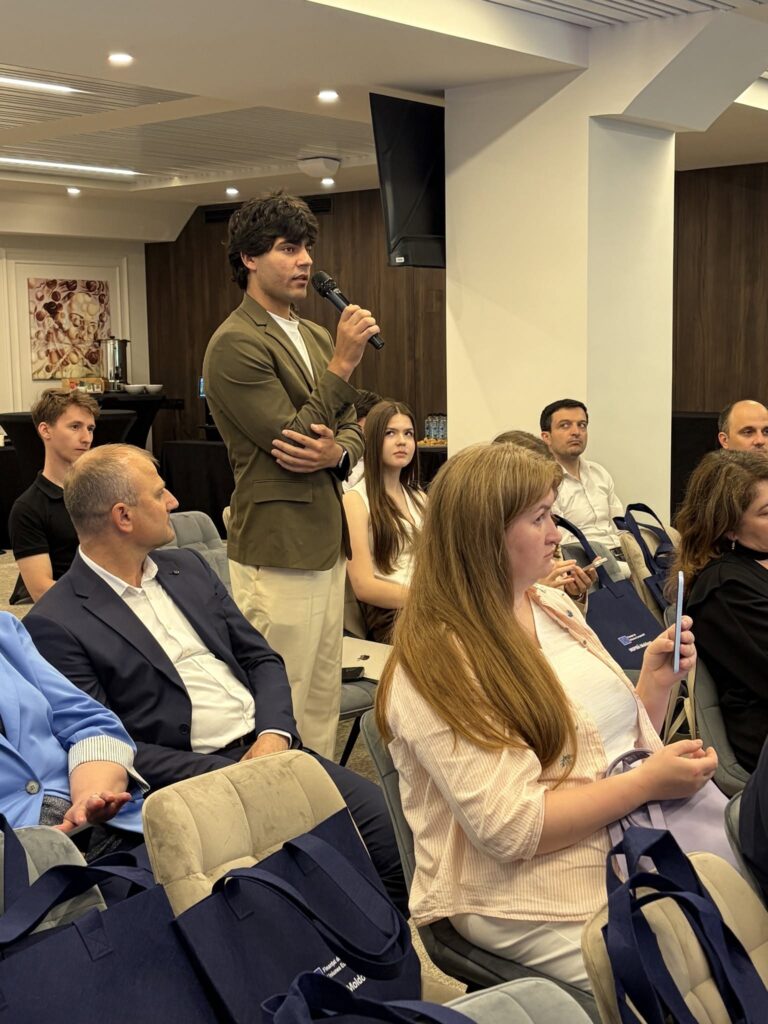
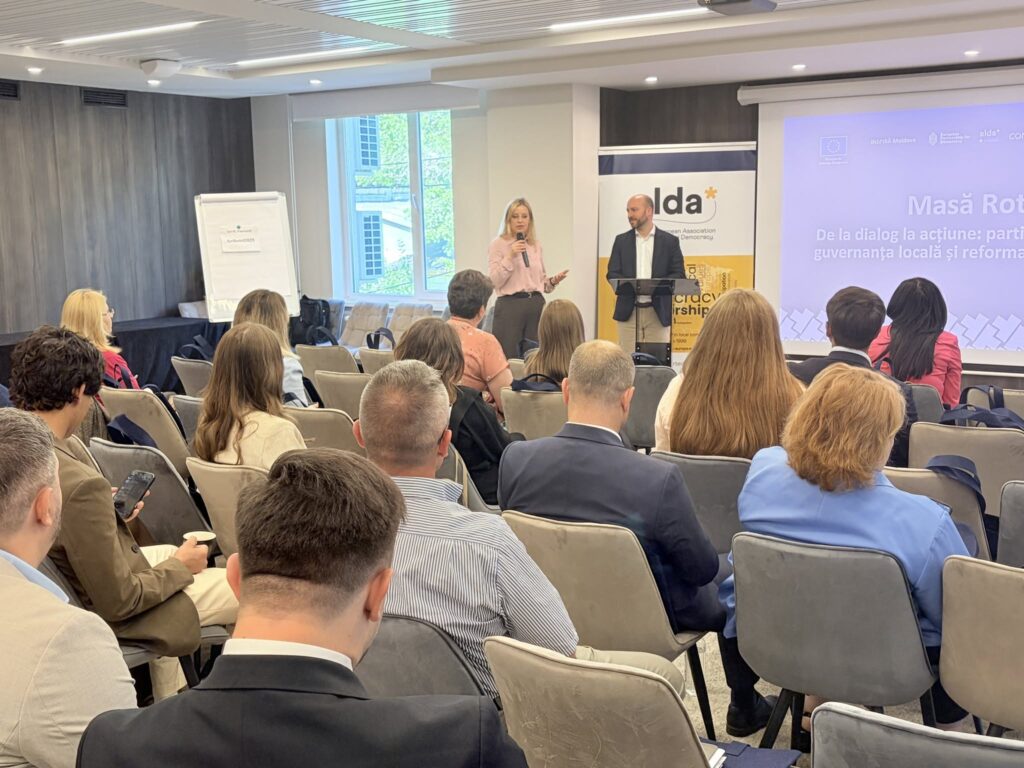
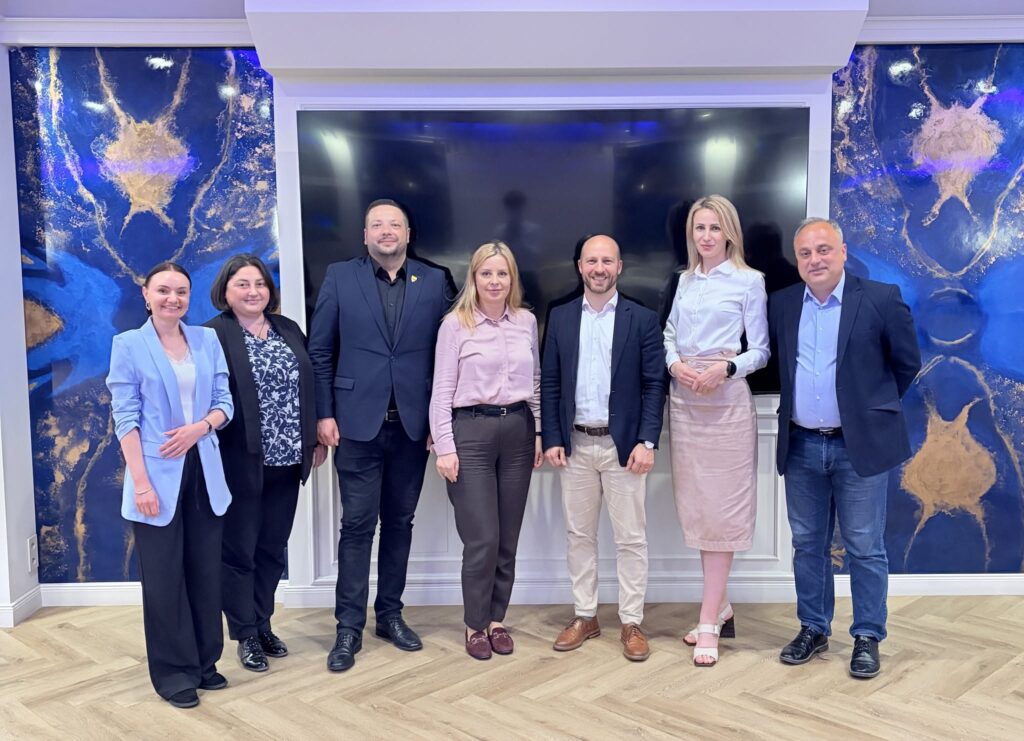
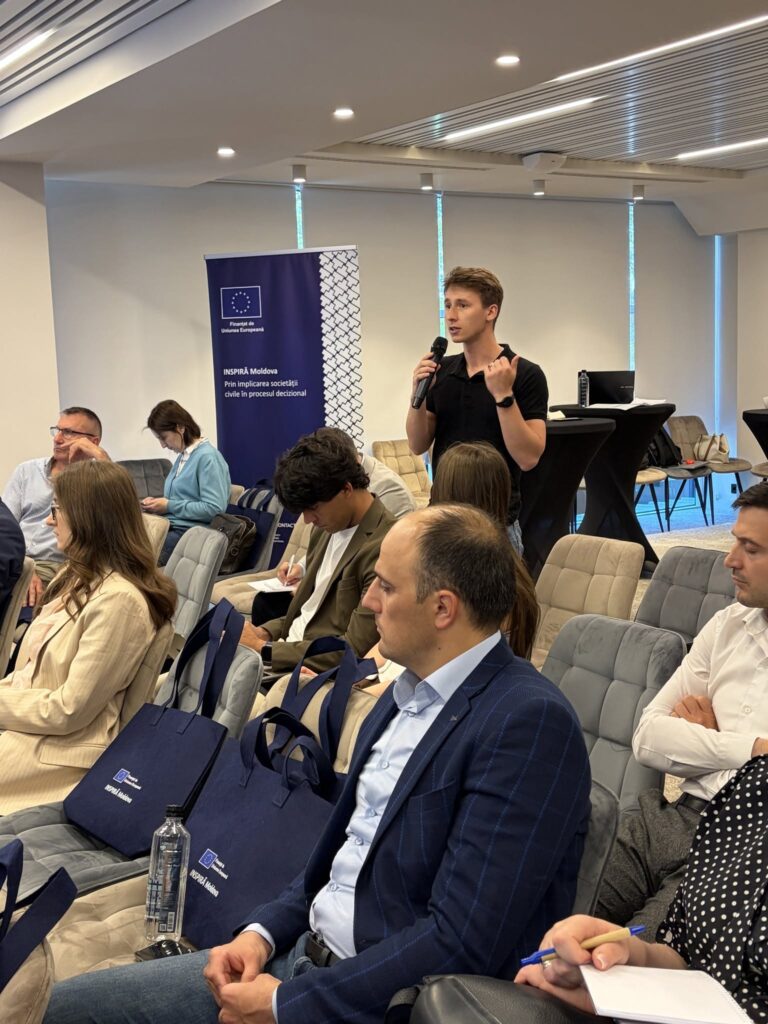
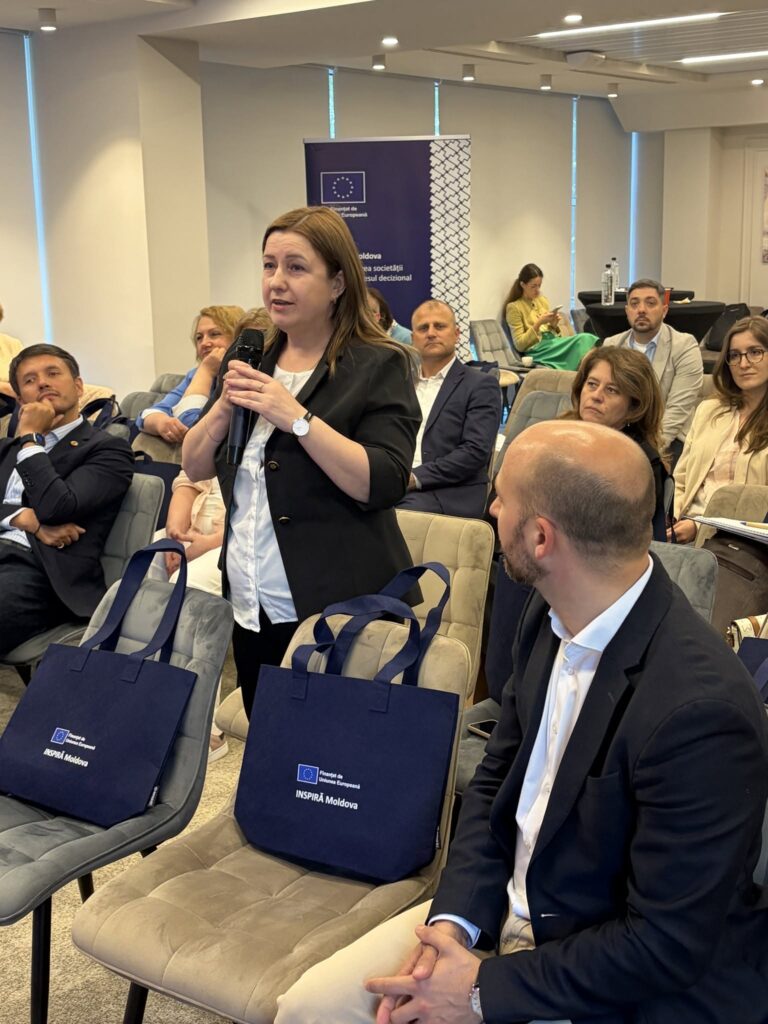
ALDA Moldova organised a roundtable discussion in Chișinău dedicated to strengthening dialogue between local public authorities, civil society organizations, and institutional partners. The event took place within the framework of the EU-funded project INSPIRED Moldova, which aims to empower civil society and enhance participatory governance processes in the Republic of Moldova.

The roundtable brought together representatives from local and national public administrations, civil society, and international partners to exchange views on the role of civic participation in ongoing reforms of local public administration.
Particular attention was given to the importance of public consultations and digital tools as key mechanisms for improving transparency, accountability, and citizen engagement in decision-making processes.

Participants discussed the current legal and institutional framework governing local administration reform, with a focus on voluntary amalgamation processes, decentralization efforts, and the modernization of local governance structures. They also shared views on how local authorities can better engage with young people, improve trust in public institutions, and create meaningful opportunities for youth involvement in shaping local development priorities.
The exchange finally highlighted European practices and digital solutions that can support more efficient, responsive, and citizen-oriented public services.

The event featured the active participation of several mayors from across the Republic of Moldova, who shared their perspectives on the importance of civic engagement at local level. They emphasized the need to strengthen youth participation in local decision-making processes, highlighting youth councils, local initiatives, and participatory mechanisms as essential tools for building more inclusive and future-oriented communities.

A significant part of the roundtable was dedicated to e-governance tools and participatory platforms, including digital consultation mechanisms and open government solutions, as key instruments to strengthen trust between citizens and public institutions and to ensure more inclusive policymaking at local level. In this context, participants highlighted Moldova’s ongoing digital transformation, including the development of the EVO platform – a single point of interaction between citizens and the state aligned with EU requirements, offering integrated digital public services, access to electronic signature services, and consolidated information on service providers, thereby significantly simplifying administrative procedures for citizens.
These developments reflect the country’s accelerated progress in digital governance, with the Republic of Moldova making notable advances in several areas of digitalization, in some cases exceeding practices in certain EU Member States within specific service domains.

The roundtable provided a valuable space for multi-stakeholder dialogue, enabling participants to share experiences, identify challenges, and explore opportunities for cooperation in advancing democratic governance reforms in Moldova.

A special guest of the event, Adrien Licha, Coordinator of the ALDA Secretariat and Eastern Partnership Unit, participated in the panel dedicated to international partnerships. He encouraged civil society organizations in Moldova to become members of ALDA and to join a European network committed to local democracy, civic participation, and cross-border cooperation.

About the Project

INSPIRED Moldova, funded by the European Union, aims to strengthen the role of civil society in influencing public policy and contributing to Moldova’s EU integration process. Through capacity building, dialogue facilitation, and support for participatory mechanisms at national, local, and digital levels, the project seeks to foster a more inclusive, transparent, and democratic governance environment.

ALDA remains committed to supporting local authorities and civil society organizations in building stronger participatory governance systems, promoting democratic values, and enhancing cooperation between citizens and public institutions across Europe and the Eastern Partnership region.

While European legal frameworks promote equality, the 2024 Fundamental Rights Report reveals a stark “implementation gap” at the local level. Minority groups—specifically migrant people and Roma communities—face systemic exclusion not only in employment and housing but also within the very democratic processes designed to serve them. This exclusion is exacerbated by fragmented participation mechanisms and institutional silos that often leave minority voices insufficiently reflected in governance structures.

The PACT Toolkit is not only a guide. It is a rigorous collection of 9 innovative governance mechanisms designed to bridge the gap between European equality policies and local grassroot realities. This framework is built upon four interlinked pillars that address the core of democratic exclusion:

  • Strengthening Participation to dismantle structural barriers;
  • Transforming Narratives
  • Fostering Social Cohesion;
  • Establishing sustainable Collaboration between local authorities and civil society.

These methodologies represent a synthesis of good practices gathered from a diverse transnational consortium of the PACT Project, including the expertise of ADL a Zavidovici, ALDA, Fons Català de Cooperació al Desenvolupament, KMOP – Social Action and Innovation Centre, CID – Center for Intercultural Dialogue, PLACE Network, and Konkáv Foundation.

Some of the tested frameworks that translate abstract concepts of “inclusion” into concrete administrative are: 

  • Italy: Over 1,500 residents participated in the 2023 Participatory Budgeting cycle, directly deciding how public funds are spent.
  • France: Policy Labs and capacity-building sessions saw 85% of participants with migration backgrounds report increased confidence in public speaking, while 90% of local actors gained practical tools for inclusive engagement.
  • Greece: Youth and marginalized groups are transforming lived experiences into structured policy manifestos for direct advocacy.

The toolkit also recognises that inclusive implementation demands a deep reflection for practitioners on the “invisible” considerations that define successful engagement: practitioners must embrace intersectionality to recognize how gender, age, and legal status create unique barriers, while actively addressing power dynamics to ensure marginalized voices lead discussions rather than just attending them

Ready to transform your local governance?
Download the PACT Toolkit and discover how to build a stronger, more cohesive, and truly democratic Europe.
👉 https://shorturl.at/dua6n

On 3-4 June 2026, ALDA’s Secretary General, Antonella Valmorbida, and ALDA France network & Partnership Expert, Denys Tkachov, participated in the Urban7 (U7) International Mayors Summit in Nancy (France), alongside more than 200 mayors, local elected representatives, and civic leaders from fifteen countries worldwide.

Organised by France urbaine, ICLEI – Local Governments for Sustainability, the Global Parliament of Mayors, the City of Nancy and the Greater Nancy Metropolitan Authority under the French G7 Presidency, the Summit took place just days before the G7 Leaders’ Summit in Évian-les-Bains. Bringing together representatives from G7 countries as well as delegations from Brazil, India, Kenya, South Korea, and Ukraine, the event focused on strengthening the contribution of cities and local governments to addressing the major challenges facing democratic societies today.

A key outcome of the Summit was the formal recognition of Urban7 as an official engagement group within the G7 process, creating a structured channel through which local governments can contribute to international policymaking and advocate for stronger multilevel governance.

Held under the theme “Resilient Cities, Resilient Democracies”, the Summit highlighted the increasingly strategic role of cities in responding to global challenges. From climate change and social inequalities to geopolitical instability, digital transformation, and democratic backsliding, local governments are often the first institutions called upon to provide concrete solutions and maintain public trust.

As part of the programme, Antonella Valmorbida contributed to a workshop on democratic resilience, highlighting the increasingly important role of local governance in safeguarding democratic societies in an era marked by geopolitical tensions, disinformation, political polarisation, and declining civic participation.

Drawing on ALDA’s more than 25 years of experience promoting local democracy, she emphasised that local governments often represent the most trusted level of governance and remain essential actors in preserving social cohesion, democratic stability, and public trust. Through its network of Local Democracy Agencies, ALDA has witnessed first-hand how strong local institutions and active citizen participation can strengthen communities facing political instability, post-conflict recovery, and external pressures.

Particular attention was dedicated to Ukraine, where local authorities have demonstrated remarkable resilience since the beginning of the full-scale invasion. As highlighted during the discussion, municipalities played a crucial role in coordinating humanitarian responses, maintaining essential services, and supporting their communities, proving that decentralised governance is not only a matter of administrative efficiency but also a cornerstone of democratic resilience.

ALDA Secretary General also stressed the importance of rebuilding trust through meaningful citizen engagement. Moving beyond traditional consultation mechanisms, she advocated for more structured participatory approaches, including citizens’ assemblies, participatory budgeting, and long-term cooperation between local authorities, civil society organisations, and community actors. According to her, resilient democracies are built when citizens are not merely consulted but actively involved in shaping public decisions.

Looking ahead, she called for a transition from “Smart Cities” to “Wise Cities”, where technological innovation and artificial intelligence are used not only to improve public services but also to strengthen participation, transparency, and democratic accountability. While digital tools can offer new opportunities for engagement, they must be accompanied by safeguards capable of countering disinformation, manipulation, and growing digital polarisation.

Her intervention concluded with a clear message: local governments should be recognised not merely as service providers, but as key partners in building democratic resilience, security, and stability. Investing in local democracy and civil society, she argued, is one of the most effective ways to strengthen democratic societies and prevent democratic backsliding.

The summit featured a dedicated panel, “Supporting Ukrainian Cities: Urban Reconstruction And Resilience Strategies,” where leaders of Ukrainian communities discussed resilience, intermunicipal cooperation, and local democracy. Leveraging its extensive Ukrainian network, ALDA presented flagship projects like the Local Democracy Agencies alongside practical examples from the Bridges of Trust and Shoulder-to-Shoulder initiatives.

The Nancy Declaration

The Summit concluded on 4 June with the signing of the Nancy Declaration – Resilient Cities as the Foundation of Global Resilience, which will be presented to the French G7 Presidency ahead of the G7 Leaders’ Summit in Évian-les-Bains.

The Declaration calls on G7 governments to recognise cities as custodians of peace, democracy, and global solidarity, while strengthening their role in climate action, economic development, urban resilience, and international cooperation. It advocates for stronger multilevel governance, greater support for city diplomacy, and increased investment in local resilience strategies.

Particular attention is dedicated to supporting Ukraine’s recovery, reinforcing local democratic governance, strengthening city-to-city cooperation, and promoting resilient and sustainable urban development. The document also highlights the importance of affordable housing, climate adaptation, digital governance, and citizen-centred approaches to urban transformation.
As stated in the Declaration:

“The resilience of our cities ultimately rests on the human bonds that sustain them — the social cohesion of our communities, the sense of belonging shared across generations, and the universal access to quality public services that bind urban life together.”

The discussions in Nancy reinforced a message that has long been at the heart of ALDA’s mission: democracy is strongest when it is rooted in local communities.

As democratic systems face growing challenges across Europe and beyond, investing in local institutions, strengthening civil society, and creating meaningful opportunities for citizen participation are becoming essential components of resilience, security, and stability.

Through its participation in the Urban7 International Mayors Summit, ALDA reaffirmed its commitment to ensuring that local democracy remains at the centre of European and international policymaking, recognising local governments not simply as service providers, but as key actors in safeguarding democratic values and shaping a more resilient future for all.

The ALDA Youth Democracy Delegates programme brings together young people from across Europe who want to do more than simply follow the conversation.

As a Delegate, you will become part of a growing network of young Europeans working alongside ALDA’s Digital & Innovation Hub on key issues such as media literacy, digital participation, the ethical use of technology, and the future of democratic societies.


What will you do?

As a Delegate, you will bring your own context, networks, ideas, and experiences into the programme. The role is intentionally flexible, allowing each person to contribute in different ways depending on their interests, availability, and local reality. As part of the network, you may:

  • Act as a bridge between your local context and a wider European network working on similar challenges and opportunities 
  • Promote ALDA’s values and activities within your local community
  • Participate in events, discussions, and initiatives related to democracy, participation, and digital issues
  • Share local perspectives and contribute insights on the issues young people care about in your country
  • Create simple content reflecting your experiences, such as social media posts, short articles, or videos
  • Help test and provide feedback on materials, campaigns, and tools developed by the Digital & Innovation Hub

What will you gain?

This is a voluntary role, but the opportunities and experience gained are meaningful and concrete.

As a Youth Democracy Delegate, you will benefit from:

  • Priority access to selected ALDA events, workshops, and policy discussions
  • Visibility through ALDA’s communication channels, including the website, newsletters, and social media
  • Introductions to ALDA’s European network of partners, organisations, and contacts
  • Priority access to trainings, exchanges, and international opportunities
  • Informal mentoring and peer support from the Digital & Innovation Hub team
  • An official ALDA certificate recognising your contribution and involvement
  • The credibility and visibility that come from being part of an established European network working on democracy and participation


Deadline: 20 June | Questions? aladdin@alda-europe.eu

AT A GLANCE

The YES-MED project aims to improve the socio-economic integration of young people in the six target countries of the Southern and Northern Mediterranean (France, Italy, Lebanon, Morocco, Spain, Tunisia) by focusing on the social and solidarity economy (SSE) as an opportunity to unlock youth potential and address socio-economic challenges in the Mediterranean region.

OBJECTIVES

  1. Support educational, professional, and personal development of young people while contributing to the creation of quality jobs, social cohesion and active citizenship.
  2. Empower 120 young people by enhancing their abilities and technical skills.

On May 26th, 2026, ALDA opened a new office in Kyiv with a participating and connecting event, marking a key moment in ALDA’s longstanding presence in Ukraine.

Led by ALDA’s Secretary General, Antonella Valmorbida and Yuriy Stepanets, ALDA representative in Ukraine, the event – organised at the margin of the Summit of Cities and Regions in Kyiv – saw the presence of ALDA’s partners and members, becoming an inspiring moment to confirm and reinforce the shared commitment towards the support of the Ukrainian people and institutions and towards the reconstruction of the country. The event was also an opportunity to reflect on ALDA’s long-standing engagement in Ukraine through a remarkable photo exhibition retracing key moments and achievements over the years.

Among the ALDA’s members, partners and supporters who took part in the event were: Aleksandra Dulkiewicz, Mayor of Gdańsk; Vadym Boichenko, Mayor of Mariupol; Tetiana Yehorova-Lutsenko, in representation of the Kharkiv Regional Council; Halyna Shymanska from the Zhytomyr City Council; Yuriy Fomichev, Slavutych Town Council; Matteo Rossi, Mayor of the Bonate Sopra Municipality; Luis Vanella in representation of the Bergamo Municipality; Francesco Pesce from the Embassy of Italy to Ukraine; Valentyna Smachylo, delegate of LDA Kharkiv; Olha Oliinyk, delegate of LDA Vinnytsia; Tetiana Bondarenko from GIZ (U-Lead); Nos Axelle for the French Development Agency (AFD); Olena Ursu, UNDP; Iryna Pelykh, All-Ukrainian Association of Amalgamated Territorial Communities; Yevhen Sytnyk, Public organisation “Congress of Self-Government of Ukraine“; Sasha Tselishcheva, Open Space Works Ukraine; Patrick Molinoz, Région Bourgogne-Franche-Comté (BFC) and member of the European Committee of the Regions and Christian Debève from the Grand Est Region (France). 

The opening of the new Ukrainian office in Kyiv represents a focal point for ALDA and its work in the country, reinforcing ALDA’s partnership with the on-site Local Democracy Agencies. In particular, it marks a key landmark for the UA Flagship implementation, which entails ALDA’s active involvement in Ukraine with projects and actions implemented by a special Task Force, established in 2024 and based in Kyiv.

Since 2012, in fact, ALDA has focused on Ukraine’s involvement in transnational cooperation projects on good governance, civic participation, training, and capacity building for local authorities. After the full-scale invasion of Ukraine led by russia, ALDA consolidated and reinforced its efforts in the country, focusing on international advocacy, support to on-site LDAs and humanitarian projects.

The opening of the Kyiv office represents far more than a new point on the map. It is a space for connection, exchange, and empowerment, marking a new milestone in the longstanding relationship between ALDA and Ukraine. By fostering closer cooperation and dialogue, the office will contribute to strengthening local democracy, resilience, and partnerships for the future.

On May 25th, 2026, while attending the 4th International Summit of Cities and Regions in Kyiv, ALDA – represented by Antonella Valmorbida, ALDA’s Secretary General – paid a visit to the locations where the biggest nuclear disaster of Chernobyl took place in 1986.

Only a few weeks after the 40th anniversary of the disaster, happened on April 26th, 1986, ALDA had the opportunity to visit not only Chernobyl, Pripyat and the nuclear plant, but also the town of Borodyanka, sadly known for having been one of the main axis of the russian advance on Kyiv in 2022. The visit involved ALDA as well as the European delegations who were attending the Summit of Cities and Regions in Kyiv: a two-day meeting that brought together over 100 local and regional governments from across Europe sharing the same commitment of standing alongside Ukraine despite the ongoing conflict.

The Summit, organised within the framework of the national project “Shoulder to Shoulder: Cohesive Communities” with ALDA as a leading partner, aimed at offering concrete spaces of solidarity and cooperation, building partnerships between Ukrainian and European municipalities in order to co-design the pillars of Ukraine’s reconstruction. 

The Summit’s intentions and goals emerged even more meaningfully after what happened just the day before its opening: on May 24th, in fact, Kyiv was the target of an overnight attack striking the very city centre, in a residential area. ALDA’s Secretary General Antonella Valmorbida witnessed the offensive: “When we went to see the wreckage, we could still smell the burnt houses”, she said.

The attack not only hit important infrastructures such as residential buildings, transport network buildings and one of the oldest food markets in the city, but also destroyed the Museum of Chernobyl, which was only recently reopened after a large-scale restoration. According to the Ministry of Internal Affairs, the museum lost about 40% of its collection due to the shelling.

A russian missile was found on the roof of the Museum’s building, demonstrating that these attacks do not operate on strategic and military areas only, but deliberately strike civic areas attacking Ukrainian citizens, culture and memory, in what clearly appears to be a war of terror.

These circumstances made ALDA’s visit to Chernobyl, Prypiat and Borodyanka even more meaningful and essential, physically bringing an agent of democracy to the places where the major disaster took place 40 years ago – the memory of which was severely attacked just the day before the visit – and to the town that suffered the consequences of the war as much as the neighbouring, most known Bucha. 

Now more than ever it is of fundamental importance to show ALDA’s presence and support in the places that bring value to the Ukrainian culture and historical memory, witnessing the effects of the war on the country and bearing messages of peace, reconstruction and international cooperation. ALDA firmly stands by Ukraine through its presence and actions in the country and for the country, continuing its commitment towards a bottom-up approach as a tool of social change, sustainable development and international collaboration.